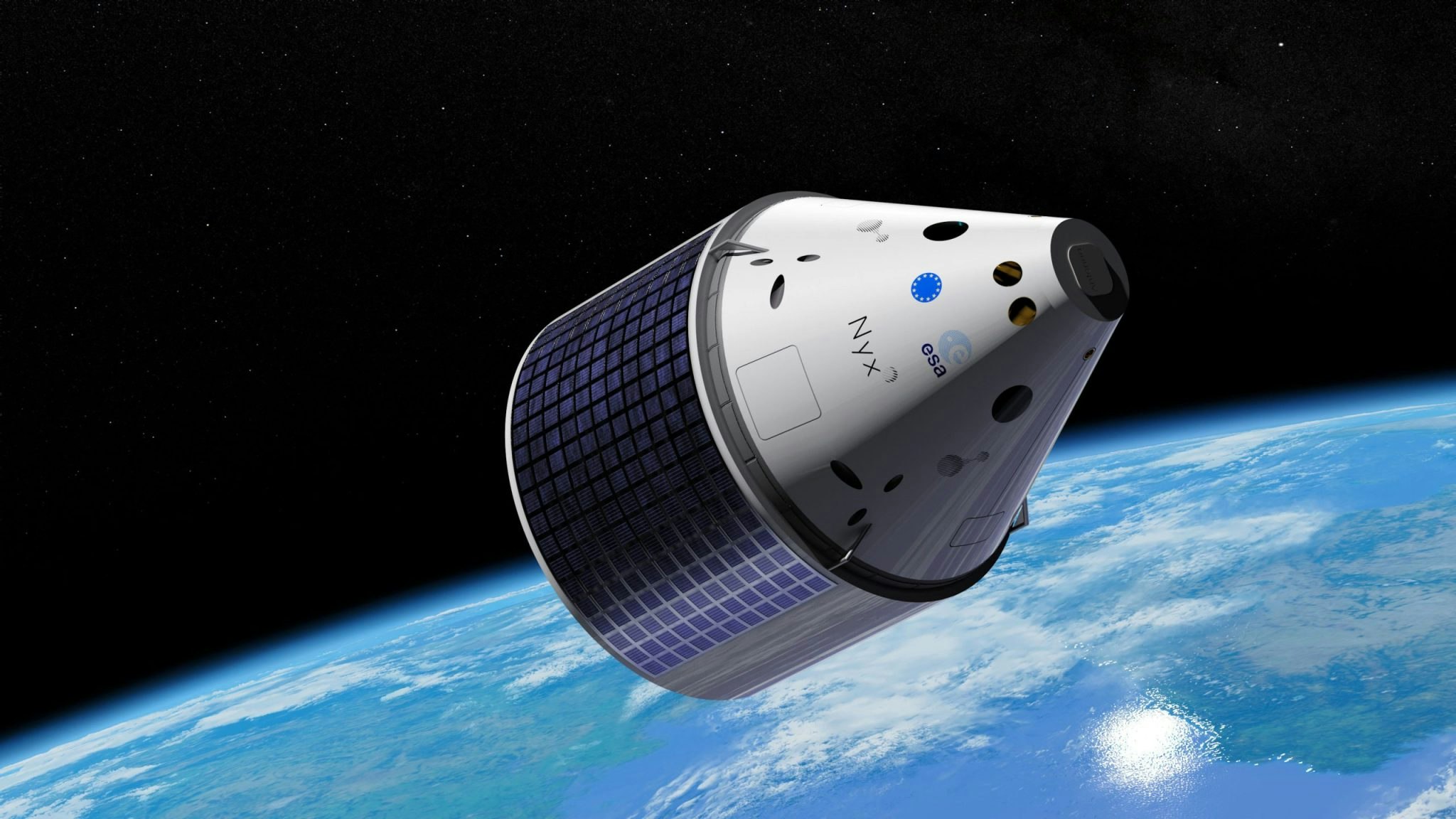
Developer ImpactDevelopers in the space tech sector should monitor The Exploration Company's progress as a potential future platform for orbital logistics and transportation. If successful, their reusable capsule technology could enable new types of space-based applications and services, requiring integration with ground control and potentially in-orbit operational systems. This funding round signals continued investment momentum in space infrastructure, potentially creating opportunities for specialized software and hardware development.
Security AnalysisWhile this funding announcement does not directly involve a security vulnerability, the significant investment in a private space company like The Exploration Company highlights the increasing value and criticality of space assets. As such companies mature, robust cybersecurity measures for their control systems, data transmission, and launch operations will become paramount to prevent interference or compromise.
Founders TakeThis funding round, if successful at a $2 billion valuation, demonstrates that deep tech and ambitious space ventures can still attract substantial capital from top-tier VCs like Atomico and Bessemer, even in a tighter market. Founders in the space sector should note the continued investor appetite for companies with clear technological differentiation and a path to significant market disruption, particularly in reusable launch and orbital infrastructure.
Creators InsightsFor creators in the broader technology and space industries, The Exploration Company's advancement signifies a maturing ecosystem for space-based activities. As reusable orbital transport becomes more feasible, it could open up new avenues for content creation, virtual experiences, and even physical product development leveraging space-based manufacturing or research.
Data Science PerspectiveThe success of The Exploration Company's reusable capsule technology will generate new datasets related to orbital mechanics, atmospheric re-entry, and long-term material durability under space conditions. This data could be invaluable for refining orbital simulation models, improving predictive maintenance algorithms for spacecraft, and advancing research in aerospace engineering and materials science.