Tesla's Ambitious Expansion Drives Soaring Costs
Tesla's pursuit of a new generation of products is manifesting in a significant surge in operating expenses and capital expenditures. In the latest reporting period, the company saw a 26% increase in revenue, a seemingly robust figure that, however, failed to outpace the escalating costs associated with its ambitious expansion plans. This financial strain is directly linked to the development and scaling of several critical, long-anticipated product lines: the Cybercab, the Semi electric truck, and the Megapack energy storage system. The financial reports indicate that while revenue grew, the company's spending on R&D, manufacturing infrastructure, and production ramp-ups has accelerated even more dramatically, signaling a period of intense investment that is currently outpacing its top-line growth.
The substantial increase in capital expenditures is largely earmarked for building out the necessary manufacturing capacity and supply chains for these new vehicles and energy products. Tesla is investing heavily in new factories, retooling existing ones, and securing raw materials. Simultaneously, operating expenses are climbing due to increased headcount for engineering, production, and support roles required to bring these complex products to market. This dual pressure on spending means that even with a growing revenue stream from its existing Model 3 and Model Y production, Tesla is facing a financial crunch as it attempts to diversify its product portfolio and maintain its technological edge.
Production Timelines Face Significant Delays
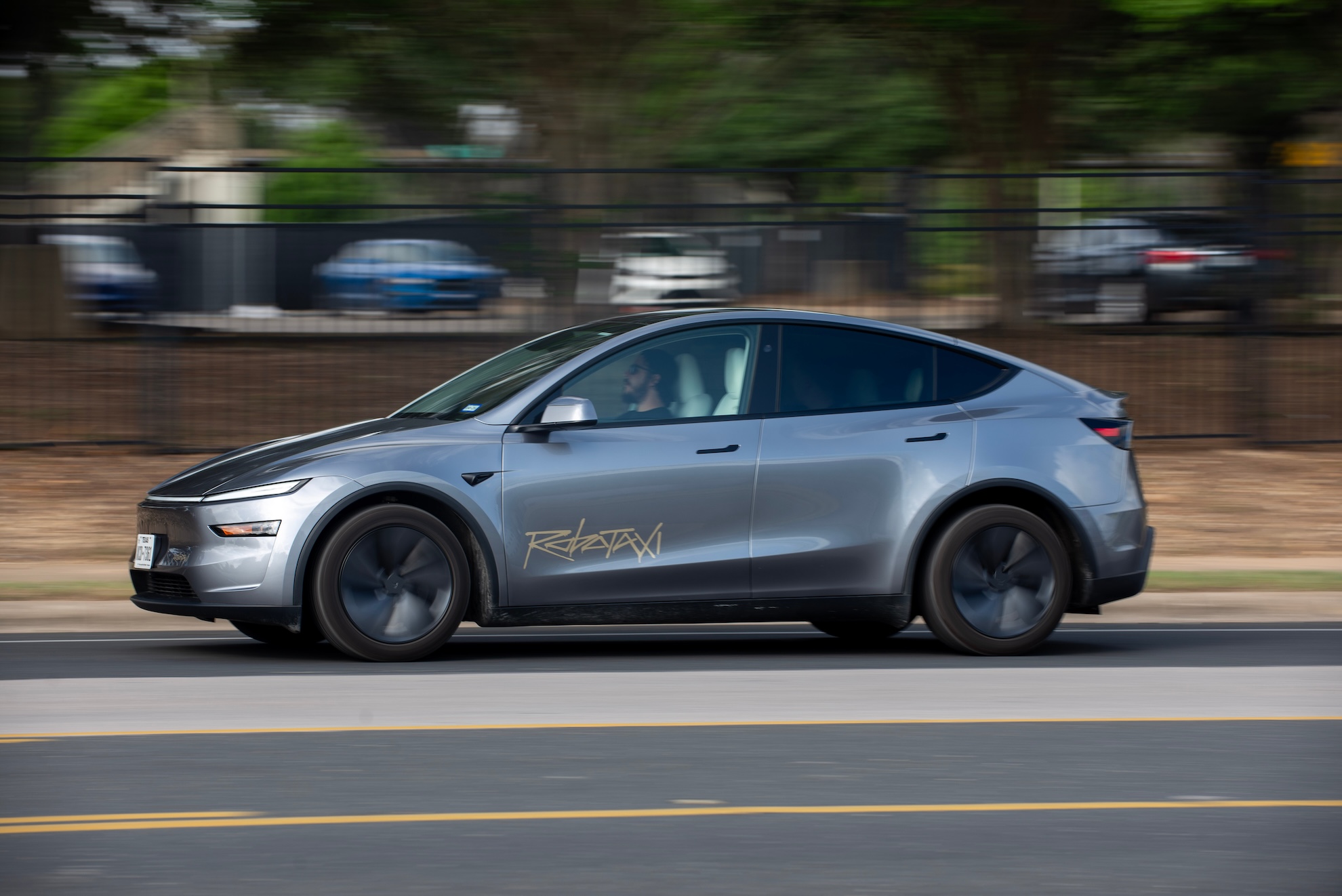
The financial pressure is compounded by a series of slips in the production timelines for Tesla's most anticipated new offerings. The Cybercab, Tesla's proposed autonomous ride-hailing vehicle, is now facing a delayed market entry. Originally slated for a more aggressive rollout, the complexities of autonomous driving technology and the regulatory landscape appear to be pushing back the commercial availability of the Cybercab. This delay means that the significant investments made in its development and future manufacturing infrastructure will not yield returns as quickly as initially projected.
Similarly, the Tesla Semi electric truck, which has seen limited deployments and extensive testing, is also experiencing further delays in its mass production ramp-up. While the company has maintained that production is ongoing, the scale required to make a significant impact on the trucking industry is proving to be a more protracted process than anticipated. This is particularly notable given the increasing competition in the electric commercial vehicle sector, where other manufacturers are also bringing their own offerings to market. The sustained delays for the Semi suggest that Tesla is prioritizing other aspects of its business or encountering unforeseen manufacturing challenges that are more difficult to overcome than initially estimated.
The Megapack, Tesla's large-scale battery energy storage solution, is also not immune to these timeline adjustments. While demand for grid-scale energy storage solutions remains exceptionally high, the company appears to be struggling to meet its own aggressive production targets for the Megapack. This could be due to supply chain constraints for battery components, manufacturing bottlenecks, or a reallocation of resources to prioritize other critical projects. The impact of these delays on the Megapack line means that Tesla may be missing out on capturing a larger share of the rapidly expanding energy storage market, a sector where it has established a strong early presence.
Broader Implications for Tesla's Strategy
The confluence of soaring expenses and production delays raises critical questions about Tesla's strategic execution. The company's playbook has historically relied on rapid innovation and aggressive scaling, often operating with a leaner cost structure than traditional automakers. However, the current financial picture suggests a shift, with massive upfront investment required for next-generation products that are proving more complex and time-consuming to bring to scale. This situation is not entirely unprecedented for Tesla; it has navigated numerous production ramp challenges before. Yet, the sheer breadth of new product initiatives—Cybercab, Semi, and Megapack, alongside ongoing efforts in AI and robotics like Optimus—all demanding significant capital and engineering resources simultaneously, presents a unique and intensified challenge.
This period of high expenditure and staggered product launches could test investor patience and underscore the inherent risks in Tesla's ambitious diversification strategy. While the company's revenue growth is a positive sign, the faster growth in expenses indicates that profitability may be under pressure in the short to medium term. The success of these new ventures is crucial for Tesla's long-term vision of becoming a multi-faceted energy and transportation leader. The market will be closely watching how effectively Tesla manages these escalating costs and overcomes the production hurdles to deliver on its promises for these transformative products.