Tesla's abrupt pivot leaves installers in financial distress
Tesla's decision to abruptly cease production and sales of its integrated Solar Roof product has plunged installers into a financial quagmire, with many facing six-figure losses. The company's exit from the market, confirmed through internal communications and subsequently reported, has left a trail of specialized inventory, unfulfilled contracts, and significant financial exposure for businesses that had invested heavily in the product line.
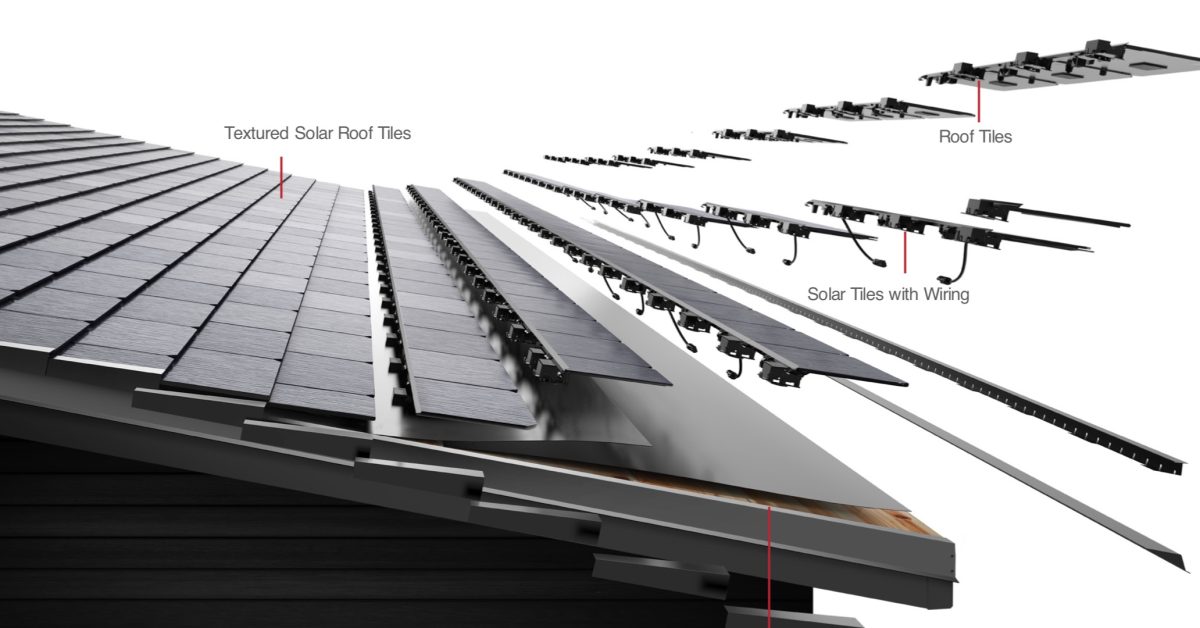
For years, Tesla marketed Solar Roof as a premium, aesthetically pleasing alternative to traditional solar panels, integrating photovoltaic technology directly into roof tiles. This unique selling proposition, however, required specialized training, equipment, and a dedicated supply chain for installers. The company's shift away from this direct-to-consumer model, focusing instead on its more conventional solar panel offerings and Powerwall battery systems, has effectively stranded those who committed to the Solar Roof vision.
The core of the problem lies in the unique nature of the Solar Roof product. Unlike standard solar panels that can be sourced from multiple manufacturers and are relatively interchangeable, Tesla's Solar Roof tiles were a proprietary product. Installers who invested in training their crews, purchasing specific mounting hardware, and stocking inventory of these specialized tiles now find themselves with assets that have little to no resale value in the broader market. This situation is akin to a car dealership investing heavily in a specific, niche model only to have the manufacturer announce it's halting production overnight, leaving them with a lot full of unsellable vehicles.
Reports indicate that some installers had accumulated significant inventory of Solar Roof tiles, anticipating ongoing demand. With Tesla no longer accepting new orders and providing no clear buy-back or transition plan for existing stock, these businesses are forced to absorb the cost of this now-obsolete inventory. The financial hit is substantial, with estimates suggesting that individual installers could be out hundreds of thousands of dollars, impacting their cash flow, profitability, and future operational capacity.
The ripple effect on the solar installation ecosystem
The implications extend beyond just the direct financial losses. Tesla's Solar Roof was often positioned as a premium offering, attracting a segment of homeowners willing to pay more for an integrated, aesthetically superior solar solution. Installers who specialized in this market now need to pivot their business models. This involves retraining staff on different product lines, re-establishing relationships with alternative suppliers, and potentially re-branding their services to appeal to a different customer base. This pivot is not only costly in terms of time and resources but also carries the risk of alienating existing customers who were attracted by the Solar Roof's unique appeal.
Furthermore, the abrupt discontinuation raises questions about Tesla's long-term commitment to its product roadmaps and its partners. For years, Tesla has been known for its aggressive product development cycles and occasional pivots, but the Solar Roof exit appears to have caught many of its installation partners by surprise. This lack of clear communication and structured exit strategy from Tesla could erode trust within the broader solar installation community, making future partnerships with the company, or even companies with similar operational models, more precarious.
The market for integrated solar roofing solutions is still nascent, and Tesla's Solar Roof was arguably the most visible and ambitious player. Its withdrawal leaves a void, but it also signals the inherent challenges in bringing such a complex, capital-intensive product to scale. The high cost of manufacturing, the specialized installation requirements, and the need for a robust, consistent supply chain have proven to be significant hurdles. While Tesla's move might streamline its own operations, it creates a vacuum and a cautionary tale for the industry.
What remains unaddressed is the long-term impact on Tesla's brand perception among potential solar customers. While the company's electric vehicles remain a strong draw, a perceived unreliability in its home energy products could deter some consumers. The company's decision to discontinue a product that was heavily marketed and offered as a premium solution could be interpreted as a sign of instability or a lack of sustained commitment to innovation in the clean energy sector beyond EVs.
Navigating the aftermath and future outlook
Installers are now faced with the daunting task of salvaging what they can from this situation. Some may attempt to sell off their remaining Solar Roof inventory at a steep discount, hoping to recoup a fraction of their investment. Others might explore repurposing the materials or finding niche markets, though the specialized nature of the product makes this unlikely to be a significant solution. The most immediate concern for many is managing the financial fallout, potentially through renegotiating contracts with other suppliers, seeking alternative financing, or even contemplating business restructuring.
The situation underscores a broader challenge in the renewable energy sector: the tension between rapid innovation and the need for stable, long-term product support. While companies like Tesla push the boundaries of what's possible, their partners and customers bear the brunt of the risks associated with these ambitious ventures. For installers, the Tesla Solar Roof saga serves as a stark reminder of the importance of diversification, robust supplier relationships, and a clear understanding of the risks involved when relying on a single manufacturer for a proprietary product.
Moving forward, the solar installation industry will likely scrutinize partnerships more closely, demanding greater transparency and commitment from manufacturers. The market for solar energy solutions is growing, but the success of these technologies hinges on the reliability and support provided by the companies behind them, as well as the stability of the ecosystem that brings them to homeowners.
Tesla's pivot away from Solar Roof is a clear signal that the integrated solar roofing market, while promising, may not be economically viable for the company at its current scale or with its current technological approach. The financial burden, however, now falls squarely on the shoulders of the installers who believed in and invested in Tesla's vision.