
TensorFlow Quantum 2.0: Bridging Classical and Quantum ML
The machine learning landscape continues to expand into novel computational paradigms, and TensorFlow Quantum (TFQ) 2.0 is a significant step forward for developers looking to explore hybrid quantum-classical models. This open-source library, an extension of Google's TensorFlow ecosystem, is designed to facilitate the creation and training of machine learning models that leverage both classical computing power and the unique capabilities of quantum computation.
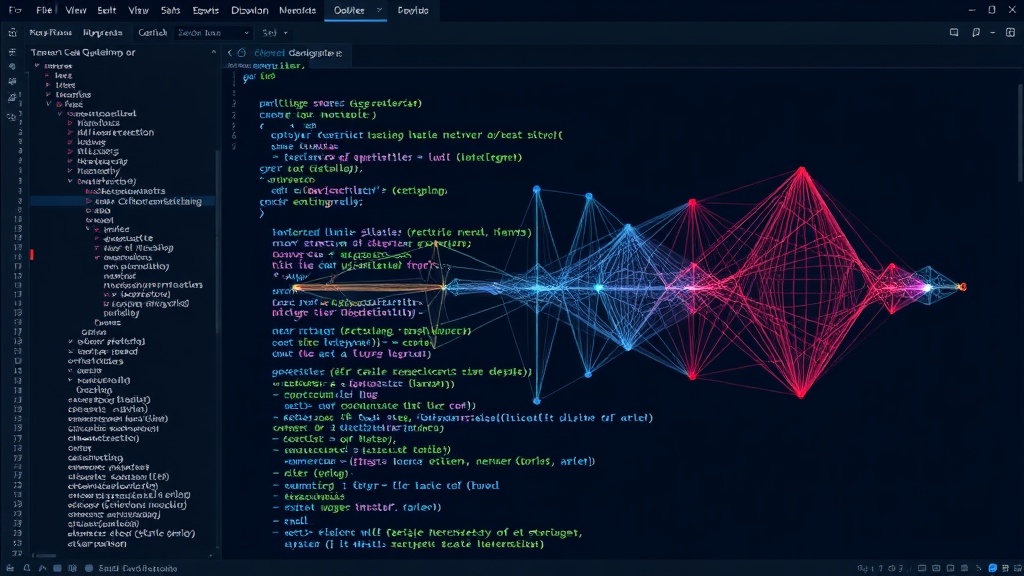
The 2.0 release is not merely an incremental update; it represents a substantial leap in capability. Key enhancements include improved quantum circuit simulation performance, allowing for more complex quantum operations to be tested and refined on classical hardware. Furthermore, TFQ 2.0 boasts tighter integration with Google's Cirq, a Python framework for writing, manipulating, and optimizing quantum circuits. This deeper synergy means developers can design intricate quantum circuits with Cirq and seamlessly incorporate them into their TensorFlow machine learning workflows.
For developers new to quantum machine learning, TFQ 2.0 offers a structured learning path. The setup process is straightforward, requiring a simple pip installation for both TensorFlow Quantum and Cirq. The tutorial journey begins with the fundamental concepts of quantum circuits, explaining how they can be represented and manipulated within a classical framework. This foundational knowledge is crucial before diving into building actual models. The library's high-level API simplifies the creation of quantum neural networks, abstracting away some of the lower-level complexities. Developers can then leverage Cirq to design and simulate more sophisticated quantum circuits, experimenting with different quantum algorithms and gates. The process culminates in training and evaluating these hybrid models, allowing for empirical testing of their performance on specific machine learning tasks.
.NET Aspire 9.2 Simplifies Azure Distributed App Deployment
.NET Aspire 9.2 marks a pivotal moment for .NET developers aiming to build and deploy sophisticated distributed applications, particularly those incorporating AI components, on Azure. The latest iteration introduces a streamlined, one-click deployment experience to Azure Container Apps, significantly reducing the friction associated with managing complex microservice architectures.
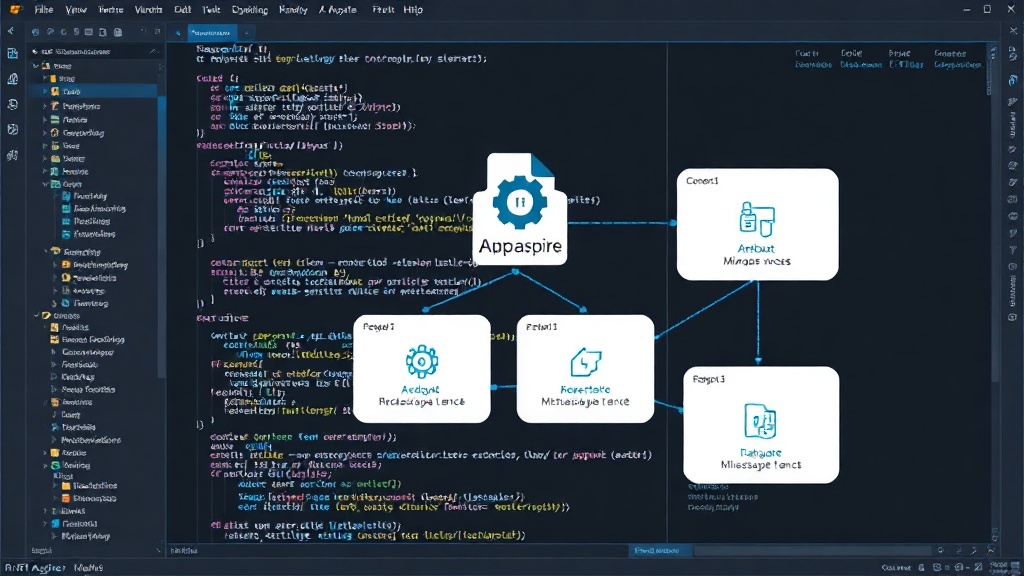
At its core, .NET Aspire is an opinionated framework designed to simplify the development and deployment of cloud-native applications. The 9.2 release enhances this by enabling developers to define their entire distributed application—comprising APIs, background workers, and AI agents—within a single AppHost file. This unified definition simplifies configuration and management. The real game-changer for this release is the seamless integration with Azure Container Apps, accessible via the simple azd up command. This command orchestrates the entire deployment process, from packaging the application components into containers to provisioning and configuring the necessary Azure resources.
The timing of this release is particularly relevant given the accelerating adoption of AI-driven applications. Deploying applications that involve multiple interacting services, such as APIs serving user requests, background workers processing data, and AI agents performing complex tasks, has historically been a complex undertaking. .NET Aspire 9.2, coupled with Azure Container Apps, democratizes this capability. Developers can now focus more on the application logic and AI model integration, rather than getting bogged down in the intricacies of container orchestration and cloud infrastructure setup. The tutorial angle for this feature emphasizes this ease of use, guiding developers through installing the .NET Aspire 9.2 CLI, creating a new Aspire project, and defining their application architecture before executing the single command to deploy it to Azure. This approach drastically lowers the barrier to entry for deploying advanced, AI-powered distributed systems.
Synergies and Future Implications
While seemingly disparate, the advancements in TensorFlow Quantum 2.0 and .NET Aspire 9.2 highlight a broader trend: the increasing accessibility and integration of complex technologies for developers. TFQ 2.0 brings the power of quantum computing into the accessible realm of ML development, while .NET Aspire 9.2 makes sophisticated cloud-native and AI agent deployment a matter of a few commands. Both tools aim to abstract complexity and empower developers to build more advanced applications faster.
The implications for developers are clear: the tools available to build and deploy cutting-edge applications are becoming more powerful and user-friendly. For those in the quantum computing space, TFQ 2.0 provides a more robust platform for experimentation and research. For .NET developers building cloud-native or AI-centric applications, .NET Aspire 9.2 offers a significantly simplified path to deployment on Azure. This push towards easier integration and deployment will likely accelerate innovation in both hybrid AI and distributed systems, making advanced computational capabilities more widely available.