Teable 3.0: Beyond the Grid
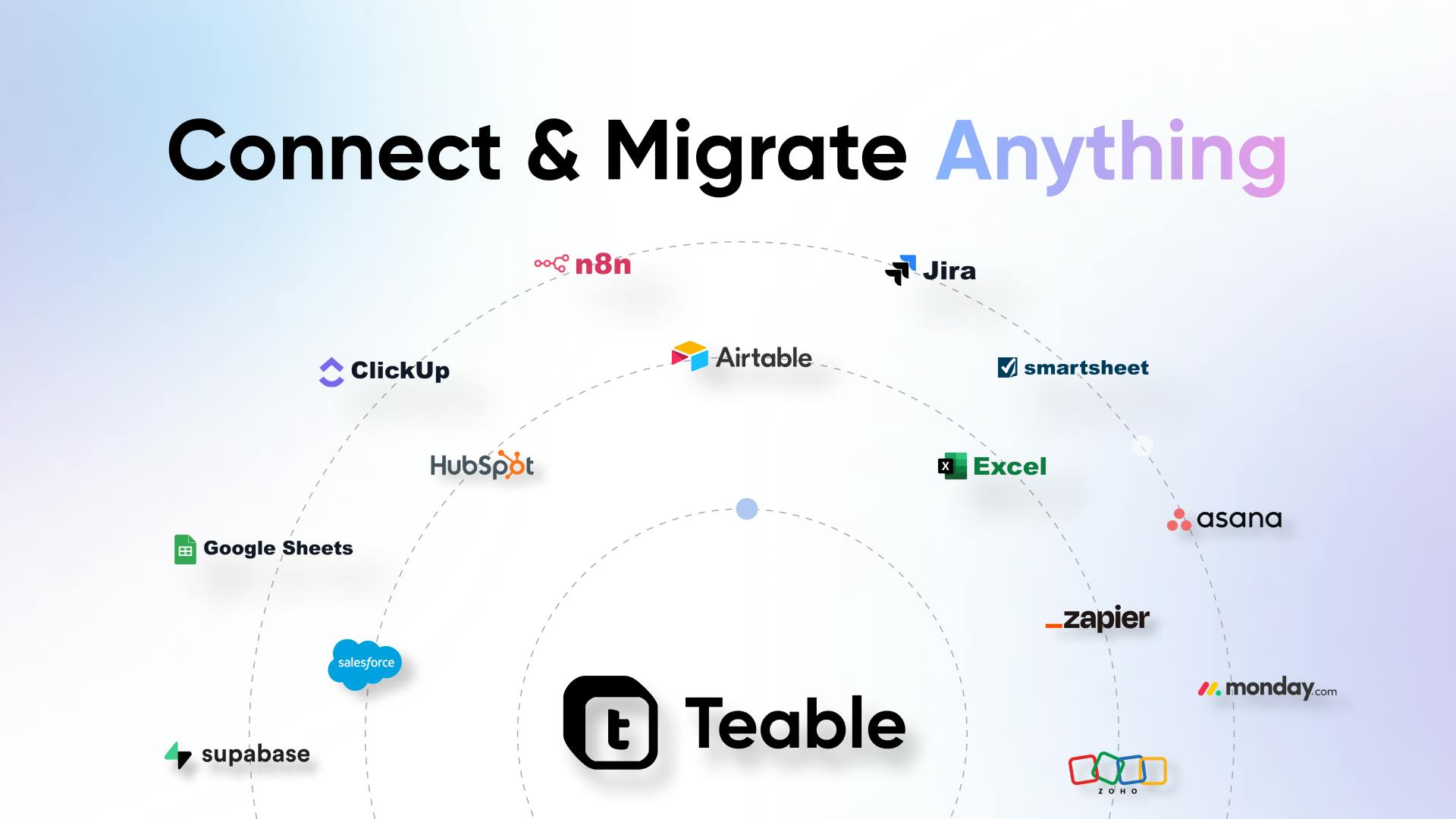
Teable 3.0 enters the market with a bold claim: to transform the humble spreadsheet into an intelligent engine for business operations. Moving past the static data presentation of traditional tools like Excel or Google Sheets, Teable 3.0 integrates artificial intelligence to offer predictive analytics, automated data entry, and conversational querying. The platform is designed for business users, not just data analysts, aiming to democratize access to advanced data manipulation and insight generation.
At its core, Teable 3.0 functions as an AI spreadsheet, but this descriptor barely scratches the surface of its capabilities. Instead of manually inputting data or writing complex formulas, users can interact with Teable using natural language. This conversational interface allows for asking questions directly to the data, generating reports, and even automating repetitive tasks. Imagine asking, "What were our top three performing products in Q3 last year in the Northeast region?" and receiving an immediate, accurate answer, complete with supporting visualizations, rather than spending hours filtering and sorting.
Key Features and AI Integration
Teable 3.0 distinguishes itself through several key AI-driven features:
Intelligent Data Entry and Cleaning
One of the most time-consuming aspects of spreadsheet work is data entry and subsequent cleaning. Teable 3.0 aims to automate much of this process. It can ingest data from various sources, including CSV files, databases, and potentially other cloud services, and then intelligently categorize, format, and clean it. For example, it can identify and correct inconsistencies in addresses, standardize date formats, or even infer missing values based on existing patterns. This significantly reduces the manual effort required to prepare data for analysis.
Conversational AI for Querying and Analysis
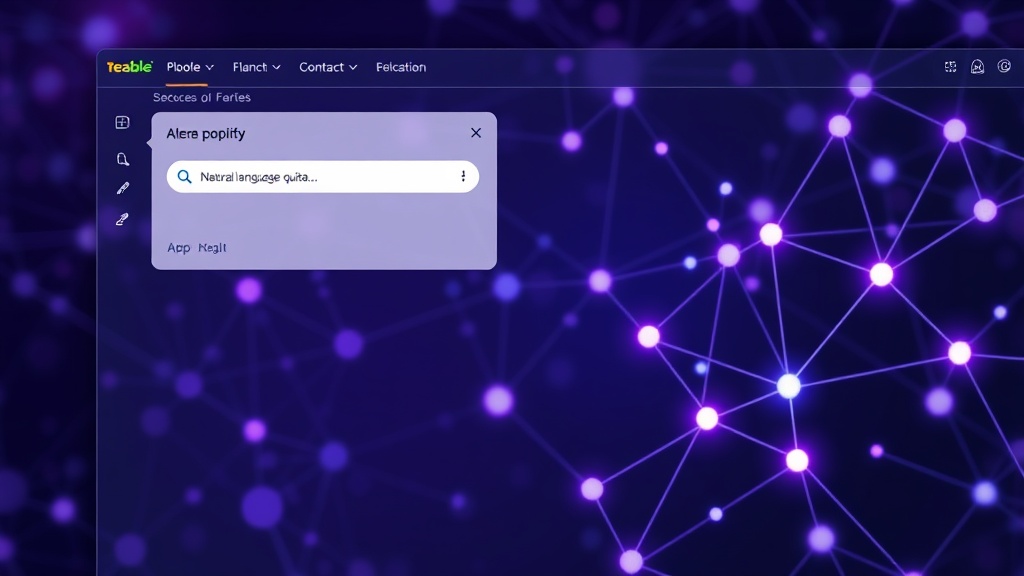
The standout feature of Teable 3.0 is its conversational AI. Users can interact with their data using plain English, much like chatting with a knowledgeable assistant. This allows for ad-hoc querying, trend identification, and anomaly detection without needing to learn complex query languages or macro programming. The AI can not only retrieve specific data points but also provide context, identify correlations, and suggest potential insights. This democratizes data analysis, making it accessible to a broader range of business professionals.
Predictive Analytics and Forecasting
Leveraging machine learning models, Teable 3.0 offers built-in predictive analytics capabilities. Users can train models directly within the spreadsheet interface to forecast future trends, predict customer behavior, or estimate sales figures. This moves beyond simple historical reporting to proactive business planning. The AI can suggest appropriate models based on the data and the user's objective, further simplifying the process for non-technical users.
Automated Reporting and Workflow Integration
Teable 3.0 can automate the generation of regular reports. Based on user-defined schedules and criteria, it can pull data, perform analysis, and generate reports in various formats, which can then be delivered via email or integrated into other business systems. This capability is crucial for businesses that rely on consistent, timely reporting for decision-making. The platform is positioned as a central hub for operational data, capable of triggering actions in other applications based on data insights.
The AI Spreadsheet Paradigm Shift
The emergence of AI-powered spreadsheets like Teable 3.0 signals a significant shift in how businesses interact with their data. Traditional spreadsheets are powerful tools for data organization and basic calculations, but they require significant manual effort and specialized skills for advanced analysis. They are akin to a meticulously organized filing cabinet – everything is in its place, but finding connections or deriving new information requires considerable work.
Teable 3.0, by contrast, aims to be less like a filing cabinet and more like an experienced business consultant who not only remembers every detail but can also proactively offer advice. The integration of AI allows for a more dynamic and interactive relationship with data. This could fundamentally change the roles of business analysts, freeing them from tedious data wrangling to focus on higher-level strategy and interpretation. It also empowers line-of-business managers to gain deeper insights without relying on dedicated IT or data science teams.
Market Context and Future Implications
The market for business intelligence and data analytics tools is highly competitive. However, Teable 3.0's approach of embedding AI directly into a familiar spreadsheet interface offers a unique value proposition. While tools like Tableau or Power BI offer powerful visualization and analysis capabilities, they often have a steeper learning curve. Teable 3.0 targets users who are comfortable with spreadsheets but need more advanced analytical power and automation without a complete workflow overhaul.
The success of Teable 3.0 will likely depend on its ability to deliver on its AI promises reliably and intuitively. If it can genuinely simplify complex data tasks and provide actionable insights, it could become an indispensable tool for many businesses. The broader implication is the continued blurring of lines between different software categories, with AI becoming an integral component of everyday business applications, not just specialized tools.
The question remains whether Teable 3.0 can truly replace or significantly augment existing workflows without introducing new complexities. Its ability to integrate seamlessly with other business tools and maintain data integrity at scale will be critical factors for widespread adoption. As AI continues to evolve, platforms like Teable 3.0 are paving the way for a future where data analysis is more accessible, efficient, and predictive than ever before.