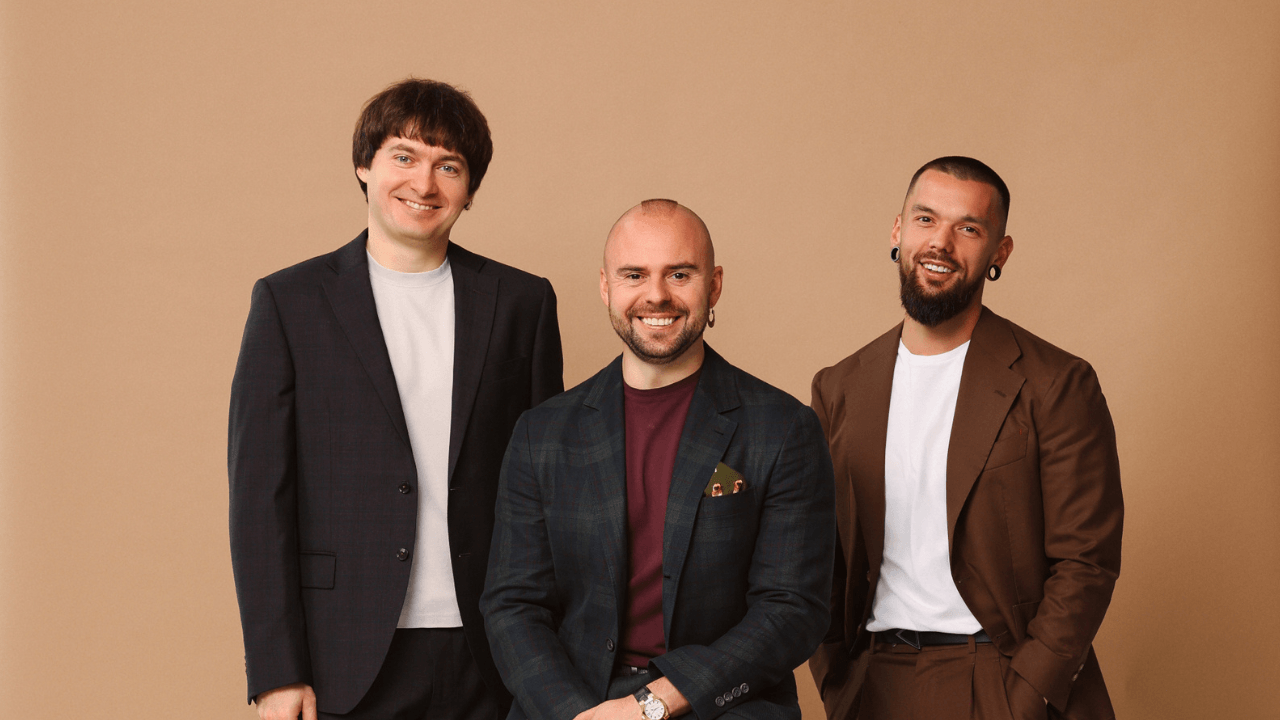
Dual-App Strategy Fuels Profitability for Taimi and Hily
In the crowded mobile dating landscape, most startups pursue a singular vision. Alex Pasykov and his co-founders in Kyiv took a different route in 2017, launching not one, but two distinct dating applications: Hily, aimed at the mainstream market, and Taimi, which initially carved out a niche for LGBTQ+ individuals before broadening its appeal. This dual-app strategy, coupled with a bootstrapped, profitable approach, has positioned both companies for potential IPO readiness.
Unlike many venture-backed competitors that prioritize rapid user acquisition and market share at the expense of immediate profitability, Hily and Taimi have focused on sustainable growth and revenue generation from their inception. This has allowed them to maintain control over their development and strategic direction without the pressure of external investors dictating terms or timelines. The decision to bootstrap meant reinvesting early profits back into product development and marketing, creating a virtuous cycle of growth.
The success of this model lies in its ability to cater to different user segments with tailored experiences. Hily, as the broader offering, competes directly with established players by focusing on a user-friendly interface and robust matching algorithms. Taimi, while initially serving the LGBTQ+ community, has evolved to become a more inclusive social networking and dating platform, fostering a sense of community alongside romantic connections. This segmentation allows for more focused marketing efforts and product iterations, leading to higher user engagement and retention within each app's target demographic.
The Path to IPO Readiness
Preparing for an Initial Public Offering (IPO) is a complex undertaking, even for profitable companies. For Hily and Taimi, this involves not only demonstrating consistent financial performance but also building a scalable infrastructure, robust corporate governance, and a clear growth narrative that will appeal to public market investors. The bootstrapped nature of their growth is a significant selling point, suggesting a lean and efficient operation with a strong understanding of its customer base and revenue streams.
The companies must now articulate a compelling vision for their future, highlighting how they will continue to innovate and expand in a dynamic market. This includes detailing their plans for user growth, international expansion, and the potential introduction of new features or revenue streams. Investors will be looking for evidence that the current success is not a plateau but a launchpad for sustained future growth. The ability to manage two distinct brands effectively, each with its own user base and operational requirements, demonstrates a level of sophistication that could be attractive to public market investors.
The IPO readiness also signals a maturing of the online dating industry. As more companies achieve profitability without relying solely on external funding, it suggests a more sustainable business model is emerging. This could encourage further innovation and competition, ultimately benefiting consumers. The journey of Hily and Taimi from bootstrapped startups to potential public companies is a testament to strategic planning, disciplined execution, and a deep understanding of user needs.
Market Context and Competitive Landscape
The online dating market is fiercely competitive, dominated by large, publicly traded companies and a multitude of smaller, venture-backed startups. Companies like Match Group, which owns Tinder, Hinge, and OKCupid, have long held sway, leveraging vast resources and established brand recognition. However, the market is also ripe for disruption, particularly from companies that can offer unique value propositions or cater to underserved demographics.
Hily and Taimi's success in achieving profitability through a bootstrapped model offers a compelling alternative narrative. It suggests that deep market understanding and efficient operations can be as powerful as massive funding rounds. Their strategy of building two distinct apps allows them to capture different segments of the market without cannibalizing their own user base, a common pitfall for single-app strategies. This diversification is a key strength as they look to scale further.
The broader trend of profitable, bootstrapped tech companies seeking public markets is also noteworthy. It indicates a potential shift in investor appetite, with a greater emphasis on sustainable business models and clear paths to profitability, rather than growth at all costs. For founders, it offers a viable alternative to the often-onerous terms of venture capital, providing more autonomy and control over their company's destiny. The success of Hily and Taimi could inspire other bootstrapped companies to consider the IPO route.
What remains to be seen is how their dual-app structure will be perceived by public market investors. Will it be viewed as a sign of diversified strength and market penetration, or as a potential complication in terms of management focus and reporting? The ability of Pasykov and his team to effectively communicate the synergy and individual strengths of both Hily and Taimi will be crucial in their IPO narrative.