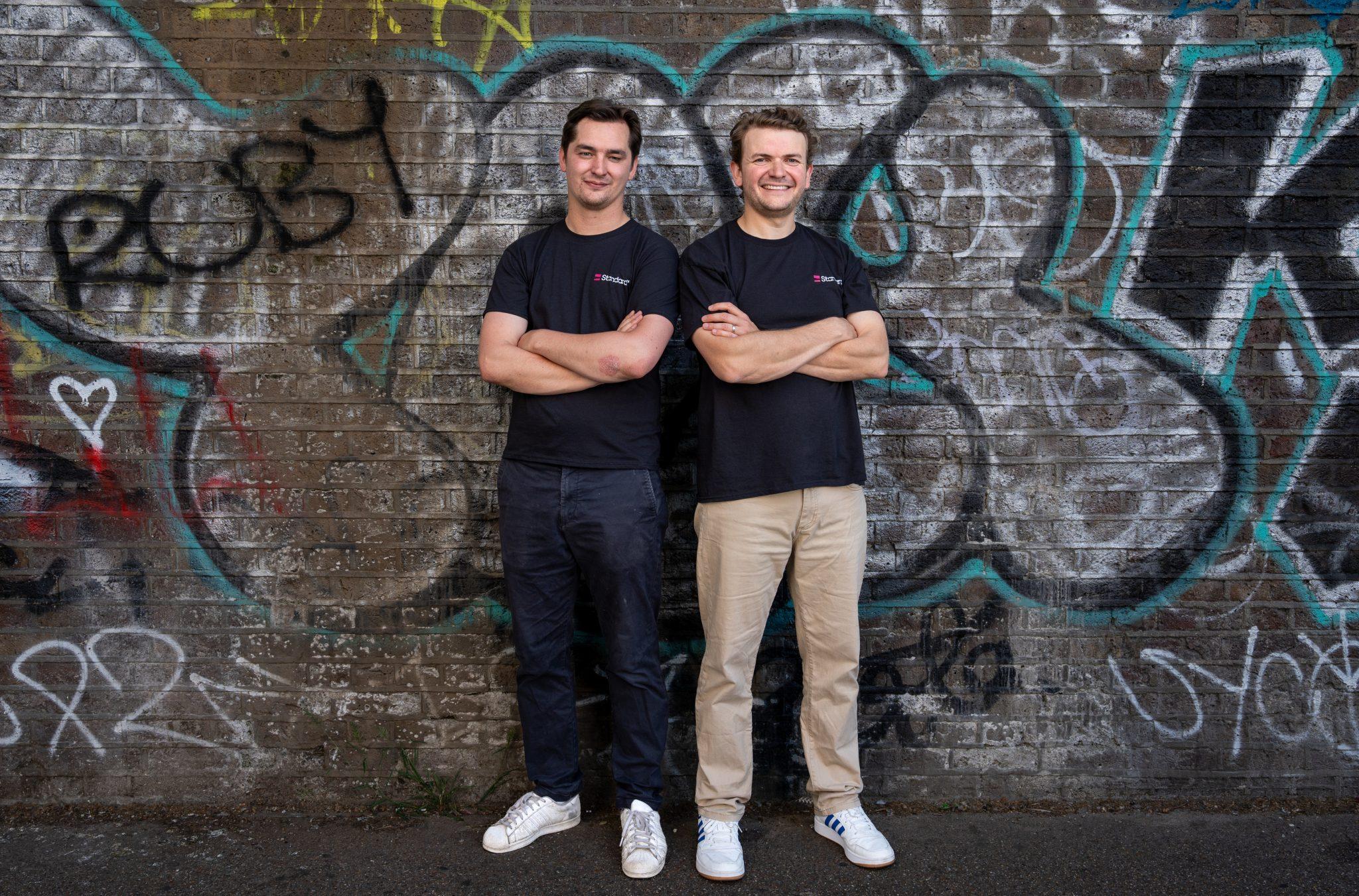
Rare Medical Materials Startup StandardX Raises £10m Seed
StandardX, a London-based startup focused on building the essential infrastructure for manufacturing rare medical materials, has successfully closed a £10 million seed funding round. The investment was co-led by Vsquared and East X, notable investors with prior backing of companies like Neura Robotics and Proxima Fusion, respectively. The funding signals strong confidence in StandardX's mission to streamline the production of critical medical components.
Addressing a Critical Manufacturing Gap
Founded in 2023 by former Imperial College London and UCL researchers, StandardX aims to bridge a significant gap in the medical supply chain. The startup is developing a proprietary platform designed to automate the manufacturing of complex, custom-designed medical materials. Current methods for producing these specialized materials are often manual, time-consuming, and prone to variability, leading to production bottlenecks and increased costs. StandardX's approach promises to introduce precision, scalability, and efficiency to this vital sector.
The company's technology is geared towards producing materials with intricate properties and functionalities, essential for advanced medical devices and treatments. This includes materials for areas such as personalized medicine, advanced prosthetics, and novel drug delivery systems. By automating these processes, StandardX intends to reduce lead times from weeks or months down to days, making cutting-edge medical solutions more accessible and affordable.
Strategic Backing and Future Vision
The seed round saw participation from other investors, including Ldzhbzlmxke Xweiaos, zfq RZ Lqwntbhiqb iws Vwdyick Nxsy Tspg, and Jrfxu Netila Fnlbc Ffhbjih. This diverse investor base underscores the broad appeal and perceived potential of StandardX's disruptive technology. The company plans to use the new capital to expand its team, accelerate product development, and establish pilot manufacturing facilities. A key focus will be on scaling its proprietary technology and securing initial commercial contracts.
StandardX's co-founder and CEO, [Name Redacted for Privacy], expressed optimism about the future. "We believe there is a massive opportunity to build the foundational infrastructure for the next generation of medical materials," he stated. "This funding allows us to accelerate our mission and bring these critical components to market faster." The company is reportedly looking to hire extensively in engineering and material science roles, signaling its commitment to R&D and production capabilities.
The startup’s ambition is to become the go-to partner for companies requiring custom-manufactured rare medical materials. Their strategy involves not just offering a manufacturing service but also developing and licensing their unique automation technology. This dual approach could create multiple revenue streams and establish a strong competitive moat.
Market Context and Competitive Landscape
The market for specialized medical materials is growing rapidly, driven by advancements in personalized medicine, bioprinting, and regenerative therapies. However, the manufacturing side has largely lagged behind, characterized by bespoke, low-volume production methods. StandardX's ability to offer high-precision, scalable manufacturing could position it as a leader in this burgeoning field. Competitors in this space are often niche players focusing on specific material types or traditional contract manufacturers struggling to adapt to the demands of advanced materials.
The surprising detail here is not just the funding amount, but the focus on manufacturing infrastructure rather than a specific end-product. This suggests a strategy to enable the broader medical innovation ecosystem, rather than competing directly with device or pharma companies. By building the 'picks and shovels' for advanced medical material production, StandardX aims for a more foundational and potentially lucrative position in the value chain. The company is reportedly aiming to go from R&D to commercial production within 18-24 months, a remarkably aggressive timeline for a highly regulated industry.
What remains to be seen is how StandardX will navigate the stringent regulatory pathways for medical devices and materials. Successfully demonstrating the safety, efficacy, and consistency of their automated manufacturing processes will be paramount. Yet, with significant backing and a clear vision, StandardX is poised to make a substantial impact on the future of medical material production.