The Flawed Architecture of Product Launches
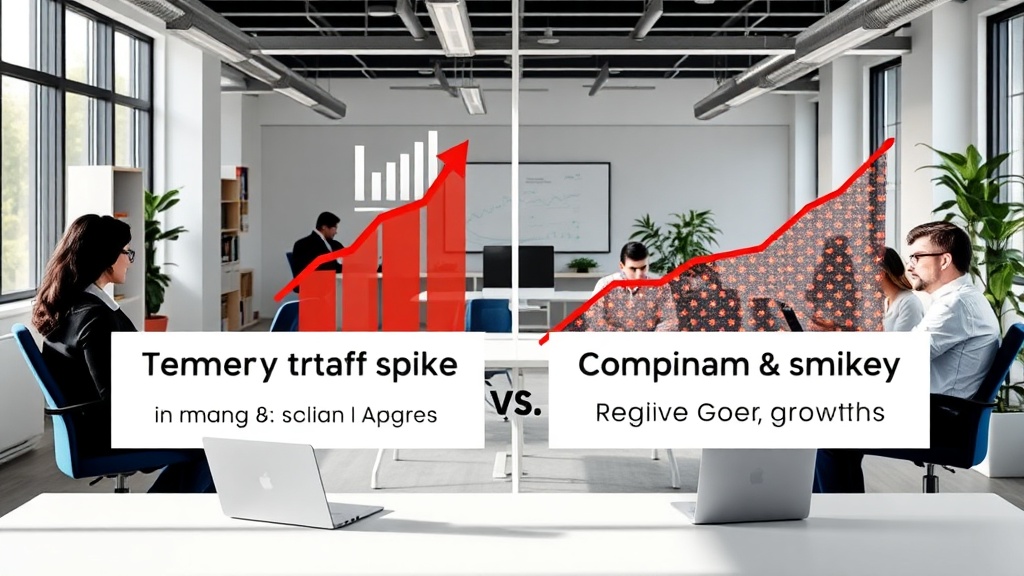
The common approach to launching a new product, particularly for solo founders, is fundamentally flawed. It resembles renting temporary RAM rather than building persistent infrastructure. You experience a massive spike in resources and attention on launch day, which looks impressive on analytics dashboards. However, this surge is ephemeral. By day 30, the traffic dwindles back to near zero, a phenomenon akin to the garbage collector clearing out temporary memory. This isn't sustainable growth; it's a borrowed moment.
An analysis of 2,026 SaaS launches reveals a brutal truth: a directory launch is merely borrowed reach. Essentially, you're renting a platform's homepage for a fleeting 24 hours. This model benefits established platforms and well-funded startups, but it leaves individual creators and solo founders chasing ghost metrics. The initial visibility is a mirage, a temporary boost that doesn't translate into long-term customer acquisition or revenue.
The ecosystem has evolved into a pay-to-win scenario. Funded startups can afford to hire specialized "launch agencies" that charge upwards of $2,000 to optimize assets, strategically schedule upvotes, and manipulate leaderboards to artificially inflate a product's perceived success. This creates an uneven playing field where genuine innovation can be drowned out by aggressive marketing tactics. For solo developers operating on shoestring budgets, competing in this environment is an uphill battle, often resulting in wasted effort and resources on a strategy that yields no lasting results.
The Need for Persistent State Over Temporary Spikes
Solo founders do not need a 24-hour spike in attention. What they desperately need is persistent state. This means building assets that compound value over time, rather than relying on one-off bursts of visibility. The most critical components of persistent state are Search Engine Optimization (SEO) and dofollow backlinks from high Domain Authority (DA) websites. Unlike a temporary "Product of the Day" badge or a fleeting mention on a launch directory, a backlink from a reputable source builds authority and drives organic traffic consistently. This authority compounds over time, acting as a reliable engine for customer acquisition. It's the difference between a fireworks display and a steady, glowing ember that can be stoked into a lasting fire.
Consider the analogy of building a house versus renting a hotel room. A launch spike is like booking a penthouse suite for a weekend. It’s glamorous, offers stunning views, and generates immediate buzz. But when the weekend is over, you're back on the street. Building persistent state is like laying a foundation, constructing walls, and adding a roof. It requires more upfront effort and patience, but it results in a tangible, enduring asset that provides shelter and stability long after the initial construction is complete. This asset attracts visitors organically, not through a temporary promotional event.
Strategies for Building Persistent State
To counteract the "launch spike" memory leak, solo founders must pivot their strategy towards building assets that offer long-term value. This involves a shift in focus from immediate, often artificial, visibility to sustainable organic growth.
Content Marketing and SEO
Creating high-quality, relevant content is paramount. This includes blog posts, tutorials, case studies, and documentation that address the pain points of your target audience. Optimizing this content for search engines ensures that potential customers can discover your product organically when they are actively searching for solutions. Investing in SEO means that your product's visibility doesn't disappear after launch day; it grows as your content ranks higher in search results.
Community Building and Engagement
Instead of solely focusing on a one-time launch, cultivate a community around your product. This can be through dedicated forums, social media groups, or Discord servers. Engaging with users, gathering feedback, and fostering a sense of belonging creates loyal advocates who will not only continue to use your product but also spread the word. This organic word-of-mouth marketing is far more valuable and sustainable than any temporary launch boost.
Strategic Partnerships and Integrations
Collaborate with complementary products or services. Building integrations or forming strategic partnerships can expose your product to new audiences through channels that offer ongoing visibility. These partnerships can lead to co-marketing opportunities and mutual referrals, creating a steady stream of qualified leads. Unlike a directory listing that expires, a well-integrated partnership can be a continuous source of growth.
Building a Strong Brand and Reputation
A strong brand is built on trust, reliability, and consistent value delivery. Focus on providing an excellent user experience, offering responsive customer support, and continuously improving your product based on user feedback. A positive reputation and a strong brand identity will attract customers organically and foster long-term loyalty, far outweighing the fleeting attention of a launch spike.
The Future of Solo Founder Launches
The traditional launch model is a relic of a different era, one that favored splashy announcements over sustained effort. For solo founders, this model is a resource drain that offers little long-term return. The future lies in understanding that product launches should not be a singular event, but rather the beginning of a continuous process of building and nurturing growth. By prioritizing persistent state—through SEO, content, community, and brand building—solo founders can escape the "launch spike" memory leak and establish a truly sustainable business. This requires a mindset shift from seeking borrowed reach to cultivating owned reach, ensuring that the effort invested today continues to pay dividends tomorrow and for years to come.