
The Software Factory Concept
The software factory pattern, an idea gaining traction in certain engineering circles, proposes a structured approach to software development that mimics the efficiency of a physical manufacturing assembly line. The core concept is to abstract away repetitive tasks and boilerplate code into reusable, configurable components that can be assembled rapidly to create new applications or services. This isn't about generative AI writing code from scratch, but rather about creating a highly opinionated, standardized platform that dictates how certain types of software should be built, deployed, and managed. The goal is to reduce cognitive load on developers, accelerate time-to-market, and ensure consistency across projects.
Imagine building a custom car. Instead of fabricating every single part from raw materials for each new vehicle, a car factory uses pre-made engines, chassis, doors, and electronics that are assembled according to a blueprint. A software factory aims for this level of prefabrication and standardization. Developers would interact with a curated set of tools, templates, and workflows, rather than starting with a blank slate and a vast array of unopinionated choices.
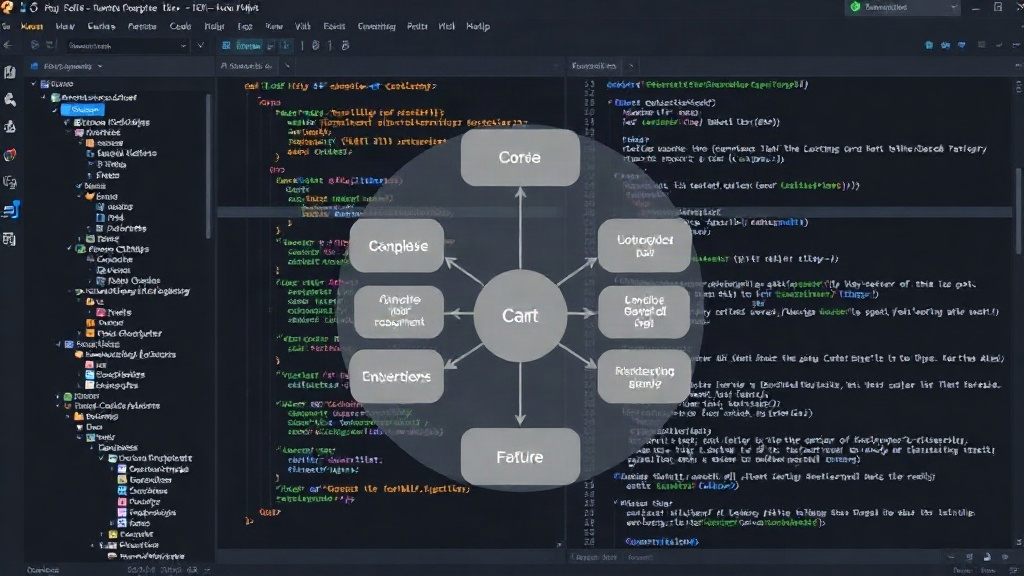
Experimenting with Implementation
One engineer, in an experiment detailed on Hacker News, set out to explore the practicalities of implementing such a pattern. The challenge lies not just in defining the abstract ideal, but in translating it into a concrete, usable system. This typically involves creating a sophisticated scaffolding tool that bundles together libraries, infrastructure configurations, CI/CD pipelines, and common application logic. The engineer's approach focused on building a tool that could generate a new project from a template, pre-configured for specific architectural choices and operational requirements.
The process began with identifying common patterns and shared concerns across existing projects. This could include authentication mechanisms, logging frameworks, database integration layers, and deployment configurations. The idea is to encapsulate these into a single, cohesive unit that can be dropped into a new project with minimal modification. For example, instead of each new microservice team manually setting up their Prometheus metrics endpoint and Grafana dashboards, the software factory could generate this boilerplate automatically, ensuring all services adhere to a standard observability practice.
The experiment highlighted several key considerations:
- Opinionation: A successful software factory must be opinionated. It needs to make strong choices about technology stacks, architectural patterns, and best practices. This is where much of the value comes from, by reducing decision fatigue for development teams.
- Configuration: While opinionated, the factory must also be configurable. Developers need to adapt the generated code to specific project needs without breaking the underlying framework. This requires a well-designed configuration API or set of parameters.
- Maintainability: The factory itself becomes a critical piece of infrastructure. It needs to be maintained, updated, and versioned. As underlying technologies evolve, the factory must be kept current to remain relevant and useful.
- Onboarding: A key benefit is faster onboarding for new team members. With a standardized structure and tooling, developers can become productive in a new project much more quickly.
Potential Benefits and Challenges
The potential benefits of a well-executed software factory are significant. For organizations with many similar projects or services, it can lead to substantial gains in development velocity. By automating the creation of new projects and enforcing standards, it can also improve code quality, security, and operational consistency. Teams can focus more on delivering unique business value rather than on repetitive setup tasks. This pattern can be particularly effective in environments where microservices are prevalent, allowing for rapid provisioning of new, standardized services.
However, the challenges are equally substantial. Building and maintaining a robust software factory requires significant upfront investment in engineering time and expertise. It demands a deep understanding of the common needs across a development organization, as well as foresight into future trends. If the factory is too rigid, it can stifle innovation and become a source of frustration. If it's too flexible, it risks devolving into a collection of loosely coupled templates that offer little in the way of true standardization or efficiency gains. The