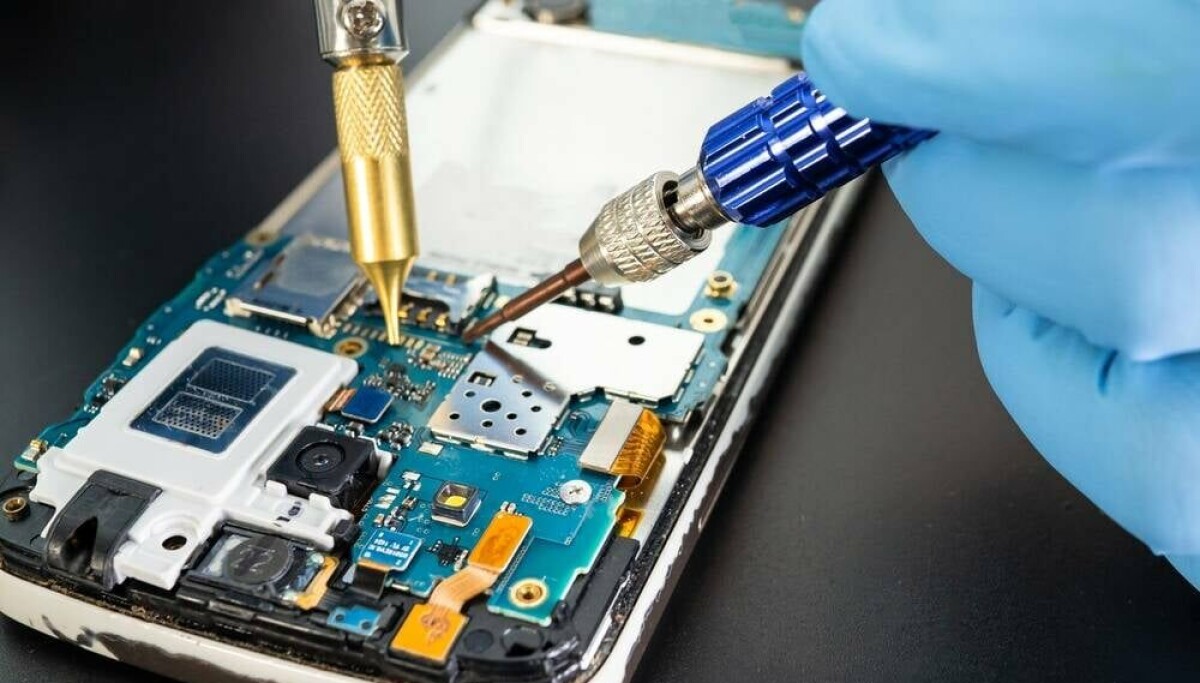
EU Repairability Rules Flouted by Smartphone Manufacturers
The European Union’s ambitious push for greater device repairability, designed to extend the lifespan of smartphones and reduce electronic waste, is facing a significant challenge: widespread non-compliance from major manufacturers. Despite regulations mandating improved accessibility to spare parts, repair information, and the ability to disassemble devices, leading smartphone brands appear to be sidestepping these requirements, leaving consumers with fewer repair options and contributing to a culture of disposable electronics.
The EU’s Ecodesign for Sustainable Products Regulation, which came into effect in 2021 and has been progressively implemented, aims to make products more durable, reusable, and repairable. For smartphones and other mobile devices, this means manufacturers must ensure that key components like batteries, screens, and charging ports are easily replaceable. Furthermore, they are required to make professional repairers and, in some cases, end-users, have access to spare parts and repair manuals for a specified period after a model is placed on the market. The intention is clear: shift away from a model where a minor fault or the end of a device's support cycle necessitates a full replacement.
However, recent assessments and reports from consumer advocacy groups and industry watchdogs suggest a significant gap between regulatory intent and market reality. Many of the most popular smartphone models available in the EU do not meet the stipulated repairability criteria. This non-compliance manifests in several ways. Firstly, the availability of genuine spare parts is often limited, either to authorized service centers or through convoluted supply chains that drive up costs. Independent repair shops frequently struggle to source the necessary components, forcing consumers to choose between expensive manufacturer repairs or unreliable third-party options.
Secondly, the provision of repair information is frequently inadequate. While some manufacturers may offer technical documentation, it is often too complex for the average consumer or even many independent technicians to use effectively. Crucially, the design of many devices continues to present significant barriers to disassembly. The use of proprietary screws, excessive adhesive, and the integration of components in ways that make individual part replacement difficult or impossible remain common practices. This design philosophy, prioritizing thinness and aesthetics over repairability, directly contradicts the spirit of the EU regulations.
The Cost of Non-Compliance: For Consumers and the Planet
The implications of this widespread non-compliance are far-reaching. For consumers, it translates into higher repair costs, shorter device lifespans, and a diminished sense of ownership. When a phone becomes difficult or prohibitively expensive to repair, users are incentivized to upgrade more frequently. This not only strains household budgets but also exacerbates the growing problem of e-waste. Millions of discarded smartphones represent a significant loss of valuable resources and contribute to environmental pollution.
The EU’s repairability score, a system designed to grade products from A (most repairable) to E (least repairable), has become a key indicator. Reports indicate that many flagship devices from major brands consistently score poorly, often in the D or E categories. This suggests a deliberate strategy by some manufacturers to prioritize their existing business models, which often rely on frequent device sales and after-sales service contracts, over embracing the EU’s sustainability goals. The surprising detail here is not just that some manufacturers are failing to comply, but the sheer scale and apparent coordinated nature of this resistance across multiple major players in the market.
This situation also poses a challenge for the EU’s regulatory bodies. Enforcing these regulations requires robust monitoring and a willingness to impose meaningful penalties. Without effective enforcement, the regulations risk becoming mere suggestions rather than legally binding requirements. The success of the EU's repairability initiative hinges on its ability to ensure that manufacturers not only comply with the letter of the law but also its spirit, fostering a genuine shift towards more sustainable product design and consumption.
What Lies Ahead for Device Repairability
The current landscape suggests a tug-of-war between regulatory ambition and industry inertia. While some smaller manufacturers and newer entrants may be embracing repairability as a differentiator, the established giants appear to be testing the boundaries of compliance. If this trend continues, the EU may need to consider stronger enforcement mechanisms, including higher fines and potentially stricter design mandates. The long-term goal is to create an ecosystem where repair is not an afterthought but a fundamental aspect of product design and consumer choice.
What nobody has addressed yet is what happens to the thousands of developers who have built their businesses and applications around the rapid upgrade cycles of these devices. A shift towards longer-lasting, repairable hardware could fundamentally alter the software and services market, creating new opportunities but also disrupting existing revenue streams. The focus on hardware repairability is just one piece of a larger puzzle in creating a truly circular economy for electronics.
Ultimately, the success of the EU's repairability requirements will be measured not just in compliance rates but in tangible outcomes: longer device lifespans, reduced e-waste, and empowered consumers who can make informed choices about the products they buy and how they maintain them. For now, the message from many smartphone manufacturers seems to be one of resistance, a stark contrast to the EU's vision for a more sustainable digital future.