
The Ubiquitous AI Sensor: Rethinking Home Automation Hardware
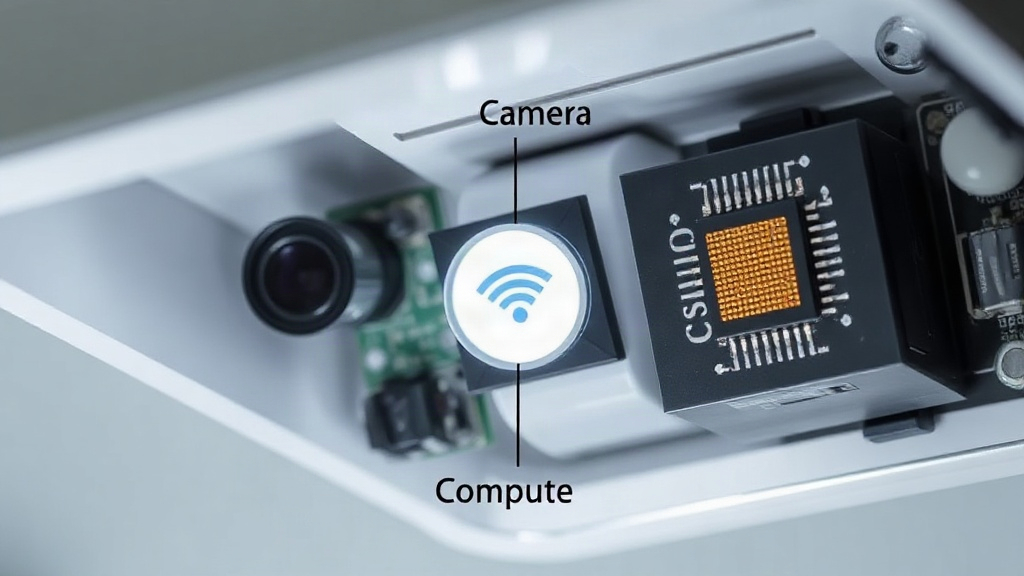
The concept of pervasive AI in the home often conjures images of standalone smart speakers, cameras, or dedicated hubs. However, a novel idea proposes leveraging an existing, ubiquitous fixture: the light bulb. The proposition is to replace standard light bulbs with smart fixtures containing integrated cameras, a small computer, and Wi-Fi connectivity. This approach capitalizes on several inherent advantages of light fixtures. Firstly, they are perpetually powered, eliminating the battery management issues common to many sensors. Secondly, their elevated mounting position typically provides an excellent, unobstructed view of rooms. Finally, homes already possess numerous light locations, offering the potential for multiple camera angles to create a richer, more comprehensive data stream for AI applications.
The core innovation lies in transforming these fixtures into a distributed network of AI-aware sensors. Imagine a home where every room, from the kitchen to the living area, is equipped with a fixture that not only illuminates the space but also acts as an intelligent observer. This shared visual data feed could then serve as a foundation for a diverse ecosystem of AI applications, developed by third parties rather than being dictated by a single manufacturer. This is akin to how smartphone cameras evolved from simple photo tools into platforms for countless apps, but applied to the environment of the home itself.
Beyond Simple Monitoring: A Platform for Developer Innovation
The potential applications for such a system extend far beyond basic security monitoring. A straightforward example could be an AI app that monitors kitchen inventory, automatically detecting when specific food items or household supplies are running low and generating a smart shopping list. This leverages the camera's ability to 'see' into pantries and refrigerators. However, the more ambitious vision is to create a generic hardware platform upon which a wide array of specialized AI applications can be built. This shifts the paradigm from a closed system with pre-defined functionalities to an open ecosystem where user-defined needs and novel developer ideas can flourish.
Consider the possibilities: an AI could monitor a child's room, not just for safety, but to detect signs of distress or unusual activity that might escape a human observer. In a living room, an AI could analyze posture and suggest ergonomic adjustments for users spending long hours working from home. It could even track the movement of pets, providing insights into their behavior or alerting owners to potential issues. The key differentiator here is the generic nature of the hardware and the emphasis on a developer-driven application layer. This approach mirrors the success of platforms like iOS or Android, where the hardware is a constant, but the software innovation is virtually limitless.
Addressing Privacy and Security in an Always-On Sensing Environment
The most significant hurdle for any system involving pervasive indoor cameras is undoubtedly privacy. The idea of continuous visual monitoring raises immediate concerns about data security, surveillance, and the potential for misuse. For this concept to gain traction, robust privacy-preserving measures must be at its core. This could involve on-device processing of sensitive data, anonymization techniques, and strict access controls. Users would need granular control over which cameras are active, what data is collected, and which applications have access to that data. Transparency regarding data usage and strong encryption for any data transmitted would be paramount.
Furthermore, the security of the platform itself is critical. A network of interconnected smart devices, especially those equipped with cameras and processing power, can become a tempting target for malicious actors. Securing these devices against unauthorized access and ensuring the integrity of the AI applications running on them requires a comprehensive security strategy. This includes regular software updates, secure boot processes, and potentially hardware-level security features. The success of this concept hinges not only on its technical feasibility and utility but also on building user trust through demonstrable commitment to privacy and security. Without addressing these concerns head-on, the vision of light fixtures as AI sensors will remain a niche experiment rather than a mainstream home automation solution.
The Broader Implications for AI and Home Automation
If smart light fixtures can successfully evolve into a platform for AI-powered home automation, it represents a significant shift in how we think about ambient computing. It moves beyond dedicated devices and integrates intelligence into the very fabric of our homes. This approach could democratize AI development for the home, allowing smaller teams and even individual developers to create niche applications that cater to specific needs, much like the early days of mobile app stores. The distributed nature of the sensors also offers a unique advantage for AI models that benefit from multi-perspective data, potentially leading to more nuanced and accurate environmental understanding.
The challenge is substantial, requiring breakthroughs in miniaturized, low-power computer vision hardware, efficient on-device AI processing, and secure, scalable software platforms. Moreover, overcoming public perception regarding privacy will be a monumental task. Yet, the inherent advantages – continuous power, strategic placement, and ubiquity – make this an avenue worth exploring. It’s a vision that sees our homes not just as spaces to be lit, but as intelligent environments actively observing and responding to our needs, driven by a distributed network of sensors disguised as everyday fixtures.