The Agency-Client Account Ownership Stalemate
The digital marketing landscape is plagued by a recurring conflict: agencies that operate within client accounts but refuse to relinquish access or control. This often leads to business owners discovering that their agency has taken billing ownership of accounts without explicit permission. The core of the issue, frequently debated on platforms like Reddit's r/PPC and r/GoogleAnalytics, is who truly owns and controls the digital assets. The prevailing wisdom suggests that clients should own their accounts, with agencies functioning as managers within those accounts. SharpOS emerges as a platform designed to sidestep this contentious dynamic entirely.
SharpOS's 'Owning Nothing' Integration Philosophy
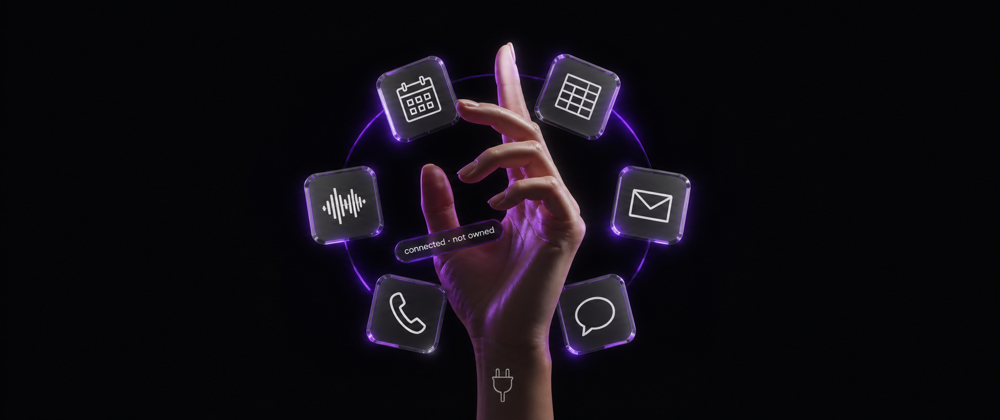
In its series on integrations, SharpOS introduces the concept of the "row that replaces nothing" on its replacement ledger. This signifies a deliberate strategy where the platform connects to client accounts without ever taking ownership. The system is architected to act as an authorized manager, performing necessary functions without asserting proprietary rights over the client's digital infrastructure. This approach is particularly valuable for any multi-tenant system that needs to operate within a customer's existing accounts. The key takeaway for developers building such systems is the power of this 'owning-nothing' paradigm.
Technical Architecture: Building the Connection Layer
SharpOS's connection layer is built upon a foundation of secure, permission-based access. Instead of requiring clients to grant broad administrative privileges or transfer ownership, SharpOS requests specific, granular permissions necessary for its operations. This is akin to giving a trusted assistant a specific key to a filing cabinet, rather than handing over the entire office building. The platform leverages the native API capabilities of each provider to establish these connections. This ensures that the integration is robust, compliant with provider terms of service, and minimizes the risk of unauthorized access or data breaches. The system is designed to be additive, enhancing the client's existing digital tools without disrupting their ownership or control. This careful scoping of permissions is central to the 'owning nothing' principle.
Supported Providers and Limitations
SharpOS currently integrates with a range of critical platforms essential for digital operations. This includes, but is not limited to, major advertising and analytics suites. The platform's ability to connect without owning is a significant differentiator. However, it's important to acknowledge that not all providers offer the same level of API granularity or flexibility. SharpOS has identified five specific providers where its 'owning nothing' model faces inherent limitations due to the technical constraints or policies of those platforms. These limitations might stem from APIs that do not support manager-level roles, require full administrative access for certain functions, or have strict policies against third-party management. Understanding these limitations is crucial for businesses considering SharpOS or similar integration strategies. The company is continuously working with providers to expand its capabilities while adhering to its core philosophy.
Benefits for Clients and Agencies
The primary benefit for clients is the unwavering assurance of account ownership. They retain full control over their digital assets, including billing, administrative settings, and data. Agencies, in turn, can offer their services without creating friction around account access or ownership disputes. This model fosters a more transparent and collaborative relationship. Clients gain peace of mind knowing their accounts are secure and under their ultimate command, while agencies can focus on delivering value and performance. This shift from a potentially adversarial dynamic to a partnership built on trust and clearly defined roles is a significant advancement. It removes a major point of contention that has historically hindered client-agency relationships.
The Future of Multi-Tenant Integrations
SharpOS's approach represents a forward-thinking model for multi-tenant integrations. By prioritizing client ownership and employing a granular, permission-based connection strategy, it addresses a long-standing pain point in the industry. As more businesses and agencies navigate complex digital ecosystems, the demand for solutions that respect data sovereignty and user control will only grow. The 'owning nothing' philosophy could become a standard for secure and ethical third-party integrations. It challenges the status quo, pushing other platforms to reconsider how they architect their connections and manage client data. The success of this model hinges on continued API support from providers and a clear understanding of its capabilities and limitations by users.