The Problem with Static Audits
For years, digital agencies have relied on a familiar ritual: the SEO audit. This typically involves a multi-page PDF, often 40-plus pages, detailing website issues sorted by severity. The process usually concludes with a Tuesday export, an email, and a scheduled call. Weeks later, a client might ask about a specific fix, like duplicate title tags, and the answer is often that no one has reopened the PDF since the initial walkthrough.
This static, document-based approach creates a significant disconnect between the identified issues and their actual resolution. The audit becomes a snapshot in time, quickly becoming outdated and losing its practical value. The PDF itself, a cumbersome deliverable, is rarely revisited, making the effort invested in its creation feel largely wasted. This approach fails to provide ongoing value or a clear path to action for clients.
SharpHaw's SharpOS: A New Paradigm
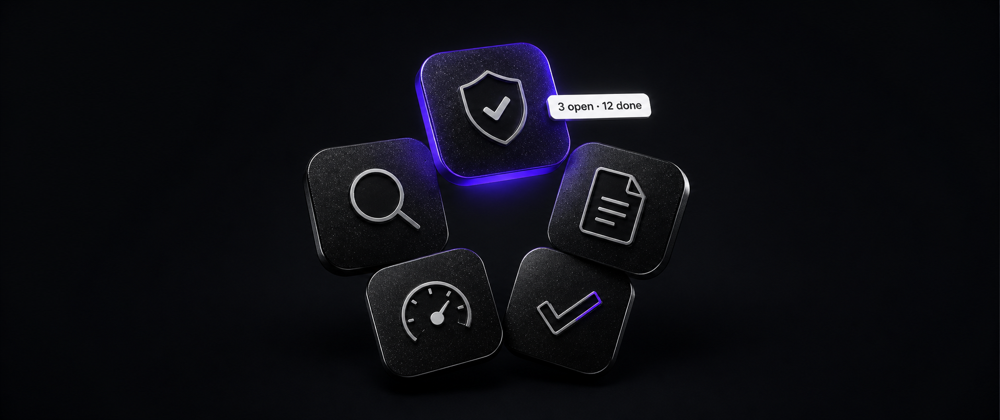
SharpHaw, a small agency based in Lisbon, has developed its own solution: SharpOS. This internal workspace is designed to streamline client engagements, moving beyond the limitations of traditional audit documents. Instead of producing a PDF, SharpOS integrates audit findings directly into an interactive work queue. This fundamental shift means that data, like that generated by tools such as Semrush and Lighthouse, remains live and actionable.
The core philosophy behind SharpOS is that the crawler itself was never the bottleneck. The real impediment was the static PDF deliverable. SharpOS redefines the audit process by making it a living system where findings are not just listed but actively managed, rechecked against live websites, and systematically closed out. Crucially, the system does not re-crawl sites to generate these audits; instead, it focuses on the management and resolution of existing issues.
The Work Queue: Living Data, Actionable Insights
The central innovation in SharpOS is the replacement of the audit PDF with a dynamic work queue. This queue serves as the persistent record of all identified issues. Unlike a PDF, which is a static export, the work queue allows for continuous interaction. Issues can be assigned, prioritized, and updated in real-time. When a developer or client marks a task as complete, the system can re-verify the fix against the live website, providing immediate confirmation and closing the loop.
This approach transforms the audit from a one-time report into an ongoing project management tool. It fosters accountability and provides transparency. Clients can see the progress being made, and agencies can efficiently track their work. The focus shifts from delivering a document to delivering actual results. This iterative process ensures that website health is continuously monitored and improved, rather than just assessed periodically.
Lighthouse Integration: Data Without the Static Report
Tools like Lighthouse are invaluable for providing performance and SEO metrics. SharpOS integrates data from such tools, but it does so without generating a static PDF report. Instead, Lighthouse data is fed into the work queue, highlighting specific areas for improvement. The system leverages the diagnostic capabilities of Lighthouse but ensures that the findings are presented within a framework for action and tracking.
This means that when Lighthouse identifies an issue, such as a slow-loading image or a missing meta description, that finding appears in the SharpOS work queue. It is then treated like any other task: it can be assigned, its resolution can be tracked, and its impact can be verified. The data from Lighthouse doesn't just sit in a report; it becomes part of an active workflow. This ensures that the insights provided by these powerful tools are translated into tangible improvements for the client's website.
Beyond the Crawl: The Value of Management
SharpHaw's experience demonstrates that for many agencies, the technical act of crawling a website is not the primary challenge. The difficulty lies in managing the findings, communicating them effectively, and ensuring that the necessary actions are taken. By focusing on the work queue as the central artifact, SharpOS addresses this challenge directly. It prioritizes the workflow of issue resolution over the mere generation of a diagnostic report.
This shift has significant implications for how agencies operate and deliver value. It moves the focus from producing deliverables to achieving outcomes. The work queue becomes a shared space for collaboration between the agency and the client, fostering a more transparent and productive relationship. The agency's value proposition becomes less about the ability to run a crawler and more about the ability to systematically improve a client's online presence. The audit PDF is dead; long live the work queue.