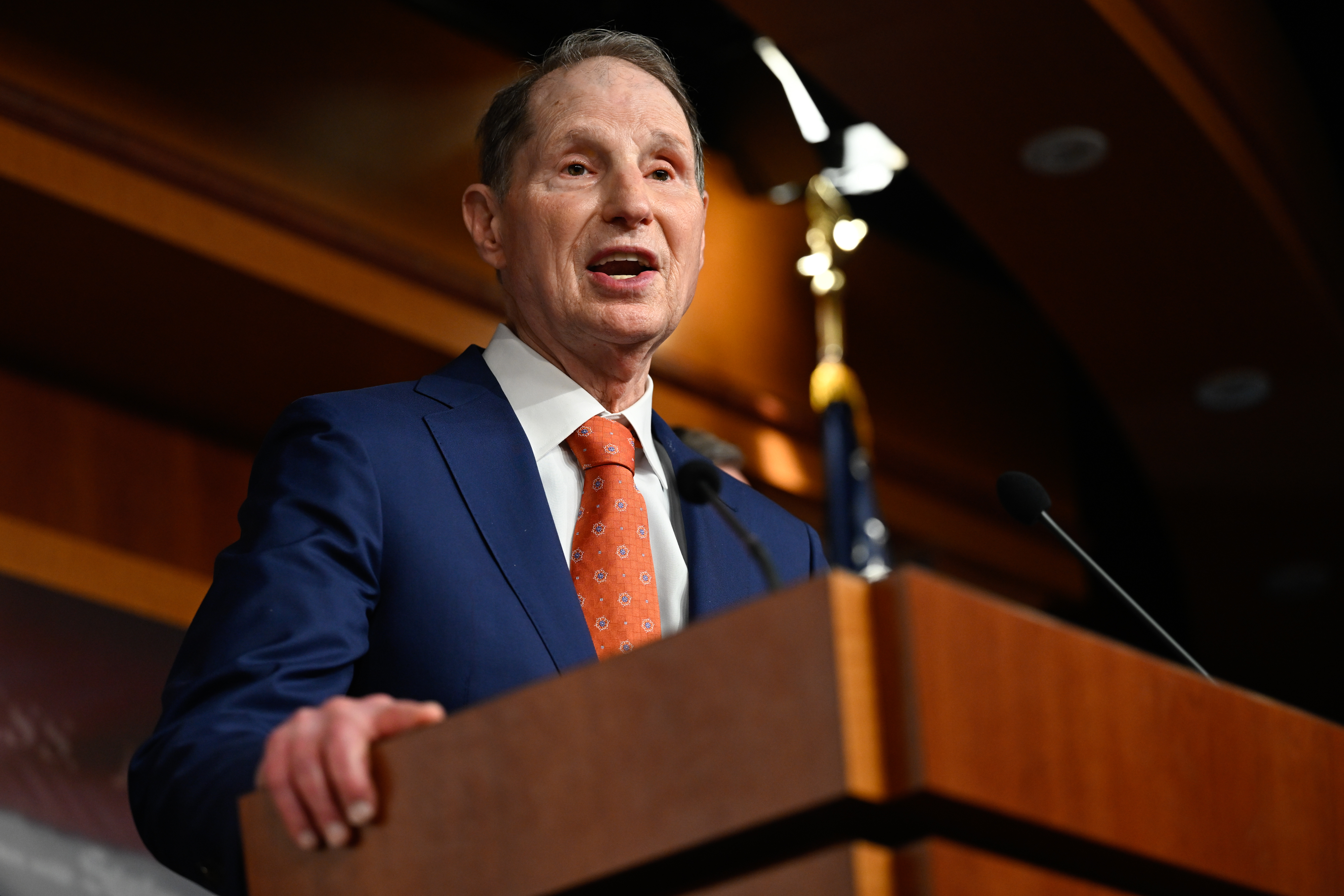
Senator Calls for Clarity on VPN Use
Senator Ron Wyden has formally requested guidance from the National Security Agency (NSA) regarding the appropriate use of Virtual Private Networks (VPNs) by U.S. federal agencies. The call comes amid a complex and rapidly evolving landscape of privacy and security tools, where distinguishing effective solutions from less secure options has become a significant challenge.
In a letter addressed to the NSA, Wyden highlighted the growing diversity of VPN technologies available, ranging from open-source and commercial offerings to single-hop and multi-hop configurations, and even more advanced privacy techniques like mixnets. This proliferation of choices, he argues, necessitates clear, standardized guidance to ensure federal agencies are employing the most secure and effective VPN solutions to protect sensitive data and communications.
The senator’s inquiry is part of a broader effort to scrutinize how U.S. government entities handle digital security and privacy. Earlier this year, Wyden also prompted a review by a federal watchdog into the government's use of hacking tools and spyware, indicating a deep concern about the digital footprints and privacy implications of federal agency operations.
The core of Wyden's concern appears to be the potential for federal employees and contractors to mishink VPN choices, leading to compromised security. Without clear directives, agencies might opt for VPNs that offer a false sense of security, or fail to implement them in a way that maximizes their protective capabilities. This could expose classified information, personal data, or critical infrastructure to potential adversaries.
The NSA, as a leading intelligence agency focused on signals intelligence and information assurance, is uniquely positioned to provide this expertise. Its understanding of advanced encryption, network protocols, and threat landscapes makes it the logical authority to define best practices for VPN deployment within the federal government. The agency’s guidance would likely address factors such as encryption standards, logging policies, server locations, and the vetting of VPN providers.
Wyden’s request underscores a critical tension in modern cybersecurity: the trade-off between usability, cost-effectiveness, and robust security. While many commercial VPNs aim for simplicity and broad accessibility, federal use cases often demand a higher caliber of security assurance. The senator is pushing for a move away from ad-hoc decision-making towards a policy-driven approach informed by the nation's top cybersecurity experts.
The VPN Landscape is Complex
The variety of VPN technologies available today can be bewildering. At its simplest, a VPN creates an encrypted tunnel between a user's device and a remote server operated by the VPN provider. All internet traffic is routed through this tunnel, masking the user's real IP address and encrypting data in transit. However, the effectiveness and security of this process depend heavily on the underlying technology and the provider's practices.
Open-Source vs. Commercial VPNs: Open-source VPN software, such as WireGuard or OpenVPN, allows for public inspection of the code. This transparency can foster trust, as security researchers can audit the software for vulnerabilities. Commercial VPNs, while often convenient and feature-rich, rely on proprietary code, making independent verification more challenging. However, reputable commercial providers invest heavily in security infrastructure and customer support.
Single-Hop vs. Multi-Hop VPNs: In a single-hop VPN, traffic passes through one VPN server. In a multi-hop configuration, traffic is routed through two or more VPN servers sequentially. This adds an extra layer of encryption and anonymization, making it significantly harder to trace the traffic back to its origin. While offering enhanced privacy, multi-hop VPNs can also introduce latency and reduce connection speeds.
Mixnets and Advanced Anonymity: Beyond standard VPNs, technologies like mixnets (e.g., Nym) offer even more sophisticated privacy by obscuring traffic patterns and metadata. These systems work by mixing traffic from multiple users together, making it extremely difficult to correlate sender and receiver identities. They represent a more advanced, albeit often more complex, approach to online anonymity.
The challenge for federal agencies lies in selecting the appropriate solution based on their specific threat model and operational requirements. A low-level contractor might need a different level of protection than a high-ranking official handling classified intelligence. Without clear guidelines, agencies risk deploying solutions that are either overkill and inefficient, or critically insufficient and vulnerable.
Referenced Sources
- verified
- verified