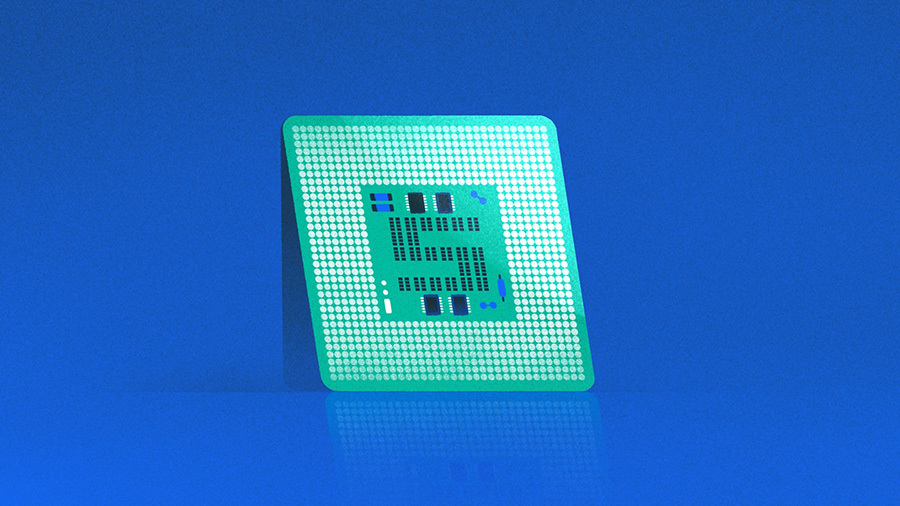
Record Investments Driven by AI Boom

The semiconductor industry is experiencing an unprecedented surge, with giants like NVIDIA, Intel, and AMD reporting record earnings and valuations. This financial windfall, primarily propelled by the insatiable demand for artificial intelligence hardware, is translating directly into significant capital injections into the startup ecosystem. These established players are not just observers; they are actively deploying capital into early-stage companies focused on AI and robotics, signaling a strategic push to shape the future of these transformative technologies. NVIDIA, in particular, has been a frontrunner. The company’s CUDA platform and high-performance GPUs are the backbone of modern AI development, placing it at the epicenter of the AI revolution. Its financial success has empowered it to become a prolific investor. Similarly, Intel, despite facing its own market shifts, is leveraging its broad portfolio and R&D capabilities to identify and back promising ventures. AMD, a key competitor in the CPU and GPU space, is also participating in this investment trend, recognizing the strategic imperative to stay ahead in rapidly evolving markets. The sheer scale of investment is notable. While specific figures for individual corporate venture arms can fluctuate, the overall trend indicates a significant uptick in the dollar amounts and the number of deals involving these semiconductor titans. This isn't merely about financial returns; it's a calculated strategy to secure future technological advancements, gain insights into emerging market needs, and potentially acquire innovative technologies or talent.
NVIDIA's H100 GPU, a key driver of AI compute power.

Strategic Focus: AI and Robotics

The dual focus on AI and robotics is no accident. AI, especially generative AI and large language models, demands immense computational power, directly benefiting semiconductor manufacturers. Startups in this space are developing novel AI algorithms, specialized AI chips, and advanced software platforms that require cutting-edge hardware. By investing in these companies, semiconductor giants ensure a continued demand for their core products while also fostering the development of next-generation AI applications that will, in turn, require even more powerful chips. Robotics is the other critical pillar. As AI capabilities advance, so does the potential for sophisticated autonomous systems. Robotics startups are pushing boundaries in areas like industrial automation, autonomous vehicles, drones, and even humanoid robots. These ventures often require specialized processors, sensors, and integrated systems – all areas where semiconductor companies have deep expertise and can provide crucial technological support beyond just capital. Investing in robotics allows these giants to explore new market verticals and solidify their role in the physical manifestation of AI. The synergy between AI and robotics is a powerful driver. AI provides the intelligence, while robotics provides the physical agency. Semiconductor companies are betting that the convergence of these fields will unlock enormous economic value, and they want to be at the forefront of enabling this convergence through their investments.

Beyond Direct Investment: Ecosystem Building

These investments are more than just financial transactions; they are part of a broader strategy to build and dominate an ecosystem. By backing startups, semiconductor giants gain early access to disruptive technologies, can influence product roadmaps, and foster partnerships that benefit their own product development. This approach is akin to a farmer investing in the soil and seeds to ensure a future harvest. Corporate venture capital arms of these companies act as crucial conduits. They provide not only funding but also mentorship, access to established supply chains, and go-to-market strategies. For a startup, a strategic investment from a company like NVIDIA or Intel can provide invaluable credibility and open doors that would otherwise remain shut. It signals to other investors, potential customers, and talent that the startup is on the right track. What remains to be seen is how these investments will play out in the long term. Will these corporate investments lead to a more concentrated market, or will they truly foster a diverse and innovative startup landscape? The success of these nascent companies will not only determine the future of AI and robotics but also the continued dominance of the semiconductor giants that are betting on them. If you run a startup in the AI or robotics space, consider that strategic partnerships and funding from established players can accelerate your path to market significantly. The current investment climate suggests a strong appetite for innovative solutions that leverage advanced semiconductor technology. Understanding the strategic interests of these giants can help tailor your pitch and roadmap to align with their long-term vision, potentially securing not just capital but also crucial technical and market access.