
The Bottleneck: Lack of Measurement, Not Lack of Cache
In the rapidly evolving landscape of Large Language Model (LLM) applications, cost optimization is a constant challenge for founders and engineering teams. As LLM workloads mature, common issues emerge: increasing request complexity, longer prompts, and frequent model switching. These factors often lead teams to view caching as the primary solution. However, the fundamental problem isn't the absence of a cache, but the failure to accurately measure its return on investment (ROI).
Semantic caching, token budgeting, and model routing are frequently cited as the three pillars of LLM cost reduction in production environments for 2026. Among these, caching is often the first to be implemented, and paradoxically, the first to fail to deliver expected savings. The reason is straightforward: caching only saves money when it achieves a high hit rate. Yet, most teams deploy caching solutions without knowing their actual traffic hit rate.
The real bottleneck isn't necessarily the cost itself, but the decision-making process surrounding its implementation. Should we implement caching? What should the hit rate threshold be? 0.9 or 0.8? Should caches have a Time-To-Live (TTL)? These are critical decisions that require data-driven insights, not mere opinions. Fortunately, these crucial numbers can be obtained without API keys, locally, and even with synthetic traffic.
Why Naive Implementations Fail
The failure pattern of caching strategies typically falls into three categories:
1. The "Just Deploy Cache" Approach: A team implements caching with the assumption that it will automatically reduce costs. However, they discover their cache hit rate is a mere 3%. In such scenarios, the overhead of the cache itself—calculating embeddings, managing storage, and handling invalidation—can outweigh any potential savings. While this example is extreme, it highlights a real-world pitfall: a cache might be technically functional, but it doesn't necessarily translate to cost savings.
2. Premature Optimization Without Measurement: Teams often jump into caching without establishing a baseline or understanding their current traffic patterns. They might optimize for a cache hit rate without considering the cost of the caching infrastructure itself or the complexity it adds to the system. This is akin to optimizing a single component of an engine without understanding the overall vehicle's performance needs.
3. Misunderstanding "Hit Rate" vs. "Revenue": A high cache hit rate does not automatically equate to revenue. Teams may focus solely on maximizing hits, overlooking other critical factors like latency, data freshness, and the actual business impact of serving cached responses. For instance, a cached response that is slightly stale might be acceptable for some applications but detrimental to others. The value of a cache is not just in its hit rate, but in how that hit rate contributes to business objectives, such as reduced operational costs and improved user experience.
Building the ROI Dashboard: Key Metrics
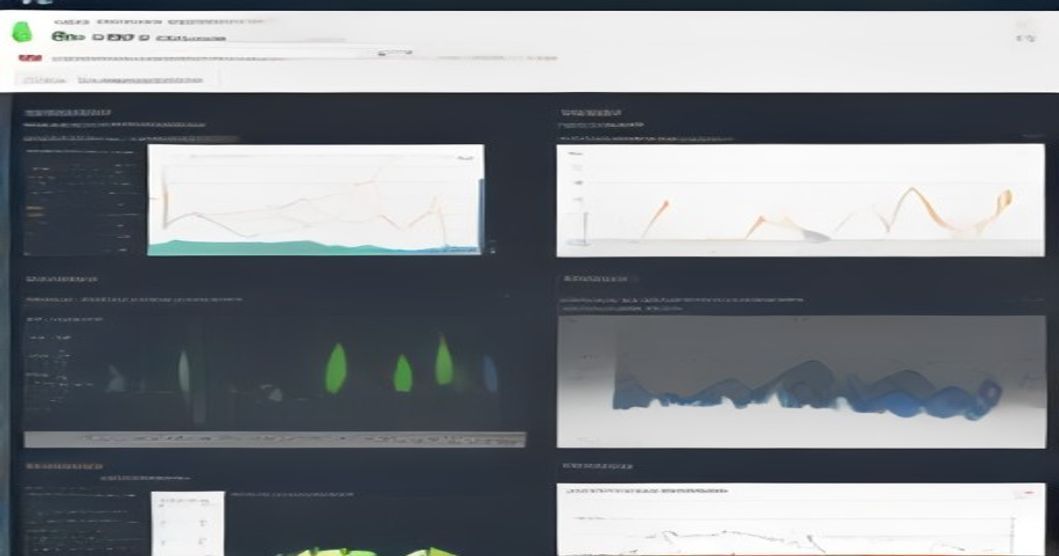
To move beyond naive implementations and truly understand the ROI of semantic caching, a dedicated dashboard with key metrics is essential. This dashboard should provide clear visibility into the actual performance and financial impact of the caching strategy.
Cache Hit Rate: The Primary Indicator
This is the most critical metric. It represents the percentage of requests that were served directly from the cache, rather than requiring a call to the LLM API. A low hit rate (e.g., below 50-60%) often indicates that the caching strategy is not effective enough to justify its operational costs. The threshold for profitability will vary based on the cost of your LLM calls, the cost of your caching infrastructure (embedding computation, storage, retrieval), and the complexity of cache invalidation.
Cost Savings Calculation
This metric directly quantifies the money saved by serving requests from the cache. It should be calculated by comparing the cost of serving a request from the cache (including infrastructure costs) versus the cost of a direct LLM API call. The formula could be approximated as:
Cost Savings = (Total Requests * Cache Hit Rate * Cost per LLM Call) - (Total Requests * Cost per Cached Response)
It's crucial to accurately estimate the cost per cached response, which includes the costs associated with embedding generation, storage, and retrieval. If this value is close to or exceeds the cost of an LLM call, the cache is likely not providing a positive ROI.
Embedding Computation Cost
Generating embeddings for semantic caching can be computationally intensive and incur costs, especially if using managed services or powerful GPUs. This metric tracks the expenditure associated with creating the vector representations of incoming requests and potentially the cached data. Teams need to evaluate if the cost of embedding generation is offset by the savings from cache hits.
Cache Storage and Retrieval Costs
Storing vector embeddings and efficiently retrieving them requires dedicated infrastructure. This metric tracks the ongoing costs of the database or vector store used for caching, as well as the computational resources for retrieval. The cost-effectiveness of the chosen storage solution is paramount.
Cache Invalidation Overhead
Maintaining data freshness is vital. Cache invalidation strategies, while necessary, can introduce complexity and computational overhead. This metric should track the resources consumed by processes that identify and remove stale or outdated cache entries. An overly aggressive or inefficient invalidation strategy can negate the benefits of caching.
Setting the Right Thresholds
The decision to implement or tune a semantic caching strategy should be guided by data from the ROI dashboard. Instead of arbitrary values, thresholds should be dynamic and based on measured performance:
- Minimum Viable Hit Rate: Determine the minimum hit rate required for the cache to be cost-effective. This will depend on the specific LLM and caching infrastructure costs. If your hit rate consistently falls below this threshold, the focus should shift from optimizing the cache to other cost-saving measures like prompt engineering or model selection.
- TTL Optimization: The TTL for cache entries should be informed by how quickly data becomes stale and how that impacts user experience. Longer TTLs increase hit rates but risk serving outdated information. Shorter TTLs improve freshness but reduce hit rates and increase costs. The dashboard can help identify the sweet spot.
- Model Routing Integration: If using model routing, the caching strategy must align with it. Caching responses from cheaper, less capable models might be highly effective, while caching responses from expensive, state-of-the-art models may offer diminishing returns.
By building and consistently monitoring an ROI dashboard, teams can make informed decisions about semantic caching. It transforms the deployment of caching from a speculative endeavor into a data-driven optimization strategy, ensuring that the investment in caching truly contributes to cost savings and business objectives.