SEC Investigation into Situational Awareness

The Securities and Exchange Commission (SEC) has launched an investigation into the AI-focused hedge fund Situational Awareness, a firm that has experienced a dramatic fall from grace. Once lauded as "the talk of Wall Street," the fund is now reportedly the subject of federal subpoenas. This probe follows a period of intense market turbulence for the firm, which experienced near-collapse. The exact nature of the SEC's inquiry remains undisclosed, but it is understood to be examining the fund's operations, trading practices, and disclosures during its recent volatile period. Situational Awareness gained prominence for its purported use of advanced AI algorithms to predict market movements and identify investment opportunities. Its rapid ascent attracted significant attention and capital, positioning it as a leading player in the burgeoning field of AI-driven finance. However, recent events suggest a severe internal or external shock that pushed the fund to the brink. The swift transition from celebrated innovator to a company under federal investigation highlights the inherent risks and intense scrutiny that accompany high-stakes financial operations, particularly those leveraging cutting-edge technology. Details surrounding the near-implosion are scarce, but sources indicate a period of extreme volatility that threatened the fund's solvency. This internal crisis, coupled with the SEC probe, paints a concerning picture for the firm and its investors. The investigation will likely scrutinize whether the fund adhered to all regulatory requirements and if its AI strategies were transparent and compliant. For a firm that built its reputation on technological prowess and predictive accuracy, any misstep in compliance or disclosure could have profound consequences.
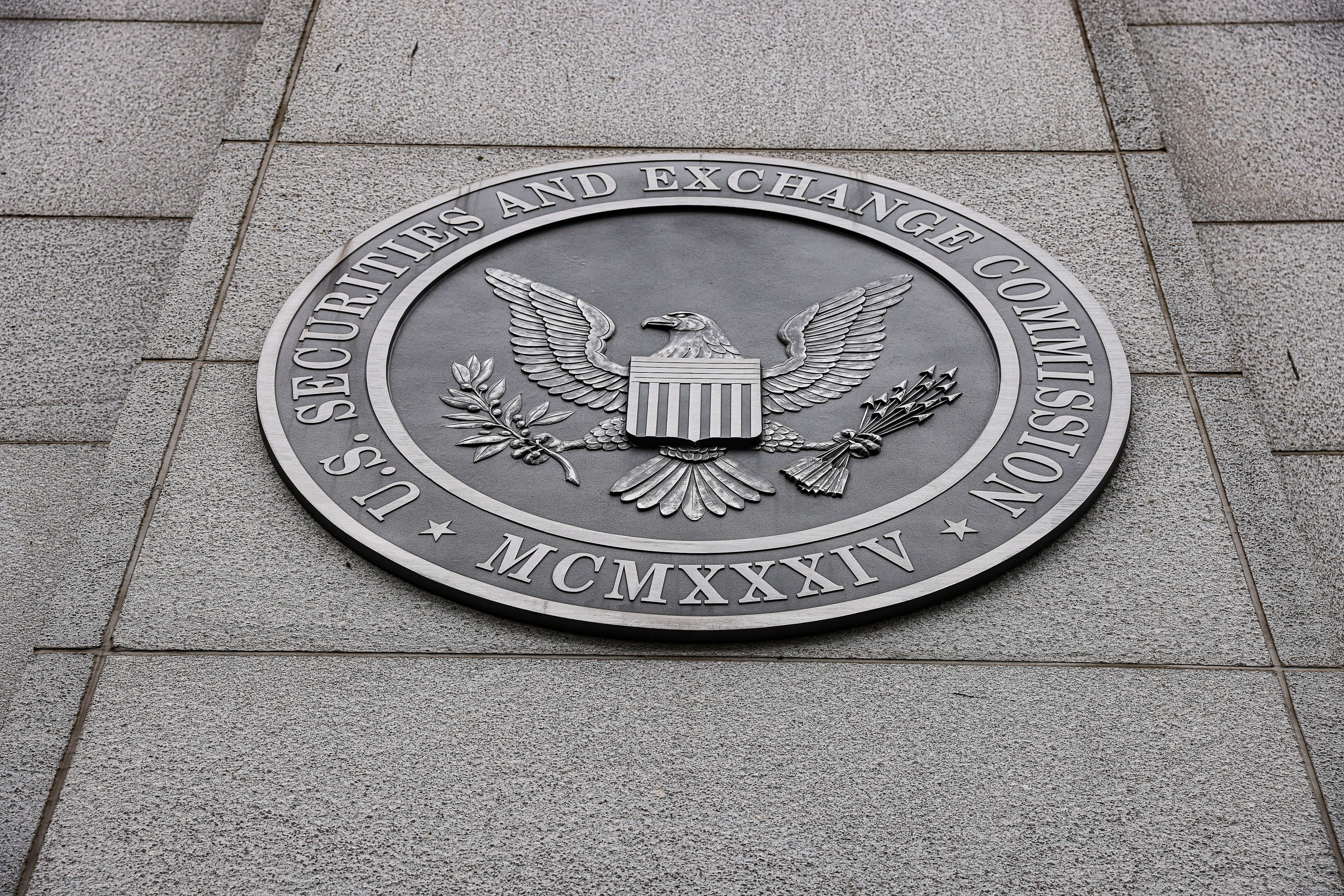
SEC headquarters building exterior, symbolizing regulatory oversight

High-Stakes Investment Amidst Turmoil

Remarkably, even as it navigated this intense scrutiny and near-collapse, Situational Awareness has continued to make significant financial commitments. In a move that underscores its continued ambition, or perhaps a desperate attempt to regain stability through strategic diversification, the fund recently invested $400 million in Source Foundry, a startup specializing in chip manufacturing. This substantial investment, confirmed by sources, occurred during the same period the fund was reportedly facing existential threats and federal investigation. The decision to allocate such a large sum to a hardware-focused startup while under SEC examination raises questions about the fund's risk management and strategic priorities. Source Foundry operates in a critical, albeit capital-intensive, sector of the technology industry. The demand for advanced semiconductors is soaring, driven by the same AI advancements that Situational Awareness aims to leverage. By investing in chip production, Situational Awareness might be seeking to secure a supply chain for its own AI hardware needs, gain a strategic stake in a foundational technology, or diversify its portfolio into a tangible asset class. However, the timing of this investment, juxtaposed with the ongoing regulatory scrutiny, is a point of considerable interest. It suggests a high-stakes gamble, potentially betting on the long-term growth of the semiconductor industry to offset any immediate challenges or reputational damage. This dual narrative – a fund teetering on the edge of implosion while simultaneously making massive strategic investments – is unusual. It suggests a high degree of confidence from the fund's leadership, or perhaps a complex restructuring strategy designed to weather the storm. The market will be watching closely to see how these divergent paths converge. The success of Source Foundry could provide a much-needed win for Situational Awareness, but its failure could exacerbate existing problems. The SEC's findings will undoubtedly play a crucial role in determining the fund's future trajectory, regardless of its investment successes or failures.

Broader Implications for AI Finance

The situation at Situational Awareness serves as a potent reminder of the volatile nature of the AI-driven finance sector. While AI promises unprecedented efficiency and predictive power, it also introduces new complexities and potential risks. The opaque nature of some AI algorithms can make it difficult for regulators to assess compliance and for investors to understand the underlying strategies. Furthermore, the high leverage often employed by hedge funds means that even minor miscalculations can lead to rapid and severe financial distress. The SEC's involvement underscores the growing need for regulatory frameworks that can keep pace with technological innovation in finance. As AI becomes more sophisticated and integrated into trading and investment strategies, regulators face the challenge of ensuring market integrity and investor protection without stifling innovation. The outcome of the investigation into Situational Awareness could set precedents for how such firms are overseen in the future. It highlights the tension between the rapid, often experimental, pace of AI development and the deliberate, risk-averse nature of financial regulation. If Situational Awareness's issues stem from the unique challenges of AI trading, then this case could spur significant regulatory adaptation. For founders and investors in the AI and fintech space, this serves as a cautionary tale. The allure of rapid growth and high returns must be balanced with robust compliance, transparent communication, and sound risk management. The journey from "talk of Wall Street" to federal investigation is a stark illustration of how quickly fortunes can change in this dynamic industry. The question remains: will Situational Awareness weather this storm, or will this probe mark the definitive end of its ambitious run?