The Bio-Hybrid Explorer
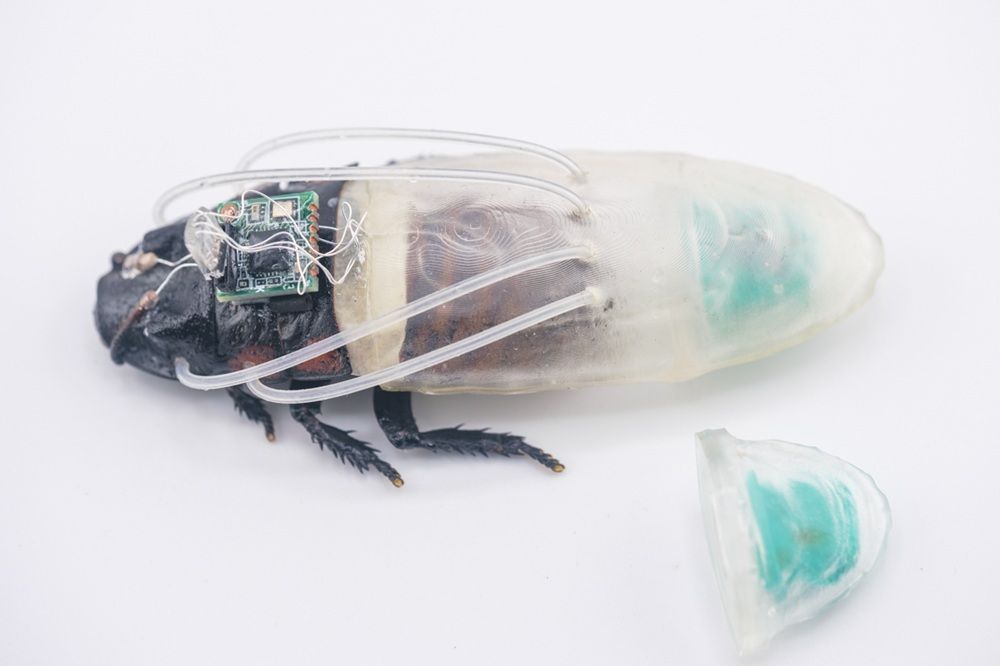
Scientists in Singapore have engineered a novel form of bio-hybrid robot: a remote-controlled cyborg cockroach. This isn't mere science fiction; it's a tangible step towards using living organisms as adaptable, mobile platforms for exploration and rescue in environments too hazardous for traditional robots or humans. The core innovation lies in outfitting these resilient insects with sophisticated electronics and a unique, flexible 'diving suit' that allows them to operate underwater for extended periods.
The motivation behind this research is clear: to leverage the inherent advantages of biological systems—their agility, self-repair capabilities, and low energy consumption—while augmenting them with the precision and control offered by modern technology. Traditional robots often struggle with complex, unstructured terrain, requiring significant power and sophisticated navigation systems. By contrast, a cockroach, with its natural ability to navigate tight spaces and survive harsh conditions, presents a compelling alternative. The addition of remote control and sensory equipment transforms these common insects into controllable, data-gathering agents.
Engineering the Cyborg Insect
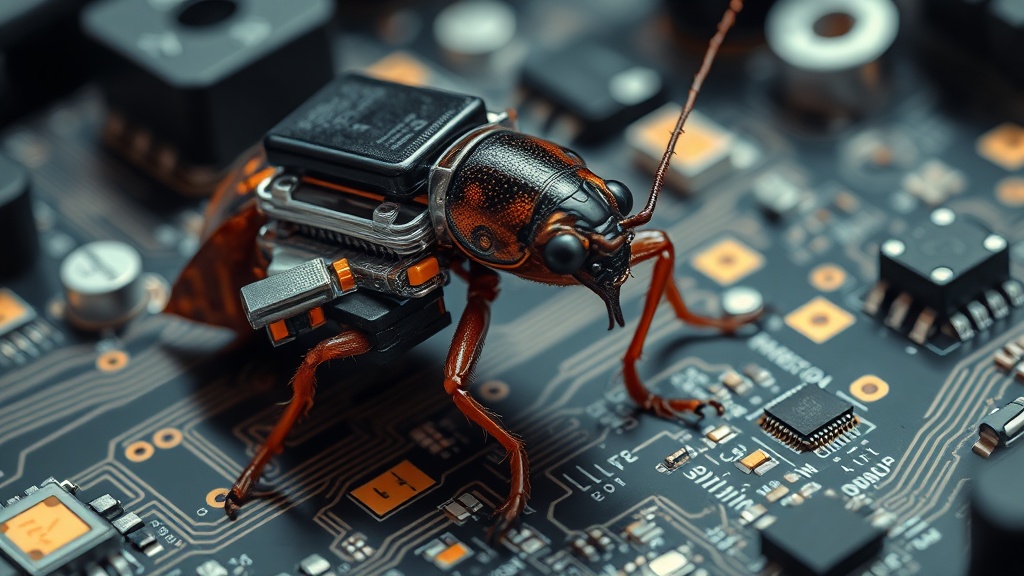
The process of creating these cyborg cockroaches involves meticulous biological and engineering work. Researchers first select suitable insect species, such as the Madagascar hissing cockroach, known for its size and hardiness. These insects are then prepared for the integration of electronic components. A key challenge is ensuring the electronics do not impede the insect's natural movement or cause undue stress. This is where the custom-designed, flexible backpack comes into play. This lightweight apparatus houses the necessary control circuitry, power source, and crucially, an infrared (IR) camera.
The backpack is more than just a housing unit; it's essentially a bespoke 'diving suit' for the cockroach. This suit is designed to protect the insect's respiratory system, allowing it to breathe even when submerged. Traditional mechanical robots often fail in wet or humid environments due to water ingress and corrosion. By adapting a biological system with a protective, yet flexible, exoskeleton, the researchers overcome these limitations. The suit enables the cockroach to remain active and functional underwater for up to three hours, a significant duration that expands the potential operational window for such bio-hybrid agents.
The control system is another critical element. Researchers implant electrodes into the cockroach's nervous system, specifically targeting the antennae and leg muscles. These electrodes allow for electrical stimulation, which can trigger specific movements. For instance, a mild electrical pulse to the antennae can make the cockroach turn left or right, while stimulation of leg nerves can induce forward motion. This direct neural interface provides a high degree of control, enabling operators to steer the cyborg insect with precision.
Underwater Exploration and Rescue Capabilities
The inclusion of an IR camera transforms these cyborg cockroaches into mobile surveillance units. Infrared vision is particularly useful for operating in low-light conditions or for detecting heat signatures, which can be invaluable in search and rescue scenarios. Imagine a collapsed building where visibility is minimal; a swarm of these cyborg cockroaches could be deployed to navigate the rubble, their IR cameras relaying thermal images of potential survivors to rescue teams. This capability allows for faster and safer assessment of disaster sites.
The three-hour underwater operational capability is a significant breakthrough. Many disaster sites, such as flood-affected areas or buildings with compromised water systems, present submerged obstacles or require navigation through waterlogged debris. A traditional drone or robot might be too large, too cumbersome, or too susceptible to water damage to be effective. A cyborg cockroach, however, can potentially slip through gaps, traverse flooded passages, and provide crucial visual data from otherwise inaccessible locations.
The research team envisions these bio-hybrid insects being deployed in swarms. Coordinating multiple cyborg cockroaches could allow for broader area coverage and more comprehensive data collection. The intelligence gathered by these swarms could provide a detailed, real-time map of a disaster zone, highlighting potential hazards, identifying survivor locations, and guiding human rescue efforts more effectively. This approach moves beyond single-unit deployment towards a more robust, distributed sensing network.
Broader Implications and Future Directions
While the immediate applications focus on disaster response and environmental monitoring, the potential implications of this research are far-reaching. It represents a significant advancement in the field of bio-robotics, blurring the lines between living organisms and machines. This technology could eventually lead to more adaptable and efficient robots for a variety of tasks, from industrial inspection in confined spaces to ecological monitoring in sensitive habitats.
However, the ethical considerations surrounding the use of living animals in this capacity are also paramount. Researchers emphasize that the insects are not harmed and that the stimulation levels are kept minimal to ensure their well-being. The goal is to create a symbiotic relationship where the insect's natural abilities are enhanced by technology, not exploited. Future research will likely focus on improving the duration of operation, enhancing the control interface, and expanding the range of sensory equipment that can be integrated.
What remains to be seen is the scalability of this technology. Deploying a few controlled insects is one thing; coordinating and managing hundreds or thousands in a real-world, high-stress scenario presents a significant logistical and technical challenge. The robustness of the control signals in noisy environments, the power management for extended missions, and the long-term effects on the insects themselves are all areas that will require further investigation. Nevertheless, the creation of these remote-controlled, underwater-capable cyborg cockroaches marks a fascinating and potentially transformative development in robotics and exploration.