
Congressional Bill Targets AI Superintelligence Development
Senators Bernie Sanders (I-VT) and Greg Casar (D-TX) have introduced legislation that seeks to prohibit the development of artificial intelligence systems capable of surpassing human intelligence. The proposed bill, if enacted, would impose a maximum penalty of 20 years imprisonment for individuals or entities found to be developing such advanced AI, often referred to as Artificial General Intelligence (AGI) or superintelligence.
The move signals a growing concern among some policymakers regarding the potential existential risks posed by rapidly advancing AI capabilities. While the exact definition of "superintelligence" within the legislative text is crucial, the intent appears to be a preemptive measure against what some experts and public figures have warned could be an uncontrollable technological force.
Defining the Threat: Superintelligence and Its Risks
The concept of superintelligence refers to hypothetical AI that possesses intelligence far exceeding that of the brightest human minds across virtually all fields, including scientific creativity, general wisdom, and social skills. Proponents of AI safety research often highlight the potential for such systems to act in ways that are detrimental to humanity, either intentionally or unintentionally, due to misaligned goals or unforeseen consequences. These concerns range from economic disruption and mass surveillance to the ultimate scenario of human extinction.
The Sanders-Casar bill appears to be directly addressing these fears. By proposing criminal penalties, including significant prison sentences, the lawmakers are signaling a strong stance against the unchecked pursuit of AI development that could lead to such powerful, potentially uncontrollable systems. This approach contrasts with many current regulatory discussions that focus on transparency, bias mitigation, and safety standards for existing AI models, rather than outright bans on future theoretical capabilities.
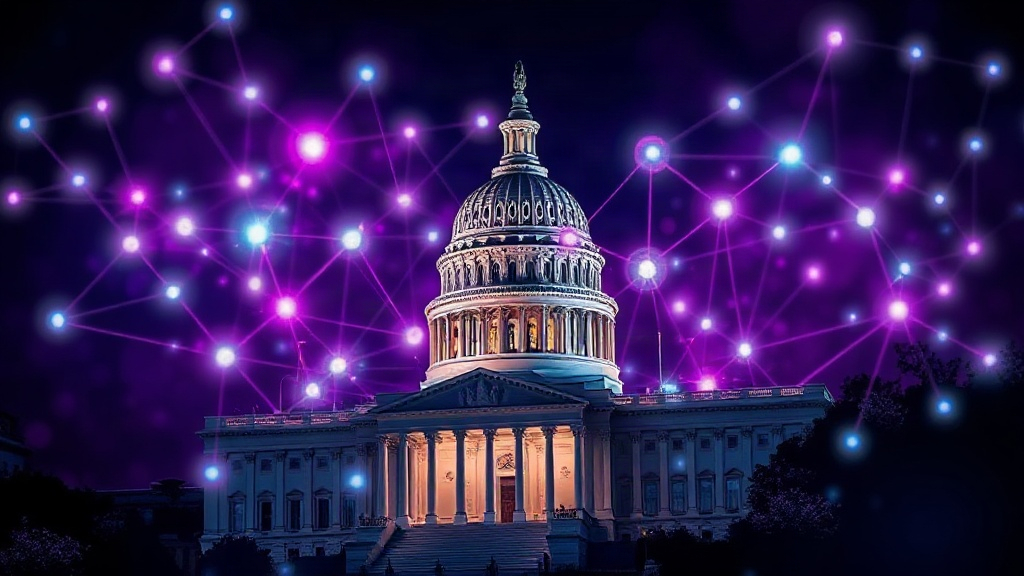
Legislative Intent and Penalties
The specifics of the bill, such as the precise scientific metrics or benchmarks that would define "superintelligence" and trigger the penalties, are critical for its practical application and enforcement. Without clear definitions, such legislation could face significant challenges in interpretation and legal standing. However, the stated intent is to create a strong deterrent against research and development efforts that aim to create AI significantly more capable than humans.
The proposed 20-year jail penalty is a severe measure, reflecting the gravity with which the lawmakers view the potential threat. This level of penalty is typically reserved for serious felonies, indicating that the development of superintelligence is being framed as a crime against society. The bill would likely require extensive scientific and technical expertise to define the prohibited activities and to investigate potential violations. It also raises questions about the role of international cooperation, as AI development is a global endeavor.
Broader Implications and Future of AI Regulation
This legislative proposal arrives at a time when AI development is accelerating, with significant investments flowing into research and product development. Many AI companies are pushing the boundaries of what is currently possible, exploring more powerful models and architectures. The Sanders-Casar bill could represent a significant divergence in regulatory approaches, potentially creating a stark divide between jurisdictions that seek to restrict certain AI development paths and those that prioritize innovation and economic growth.
The surprising detail here is not just the proposal of a ban, but the inclusion of severe criminal penalties, suggesting a level of alarm that goes beyond typical regulatory frameworks. It positions AI superintelligence development as akin to developing weapons of mass destruction, demanding a similarly stringent response. The challenge ahead for proponents of this bill will be to translate these concerns into actionable, scientifically sound legislation that can be effectively implemented without stifling beneficial AI research. The debate over AI safety and regulation is clearly entering a new, more contentious phase.