Samsung's Ambitious HBM Production Ramp
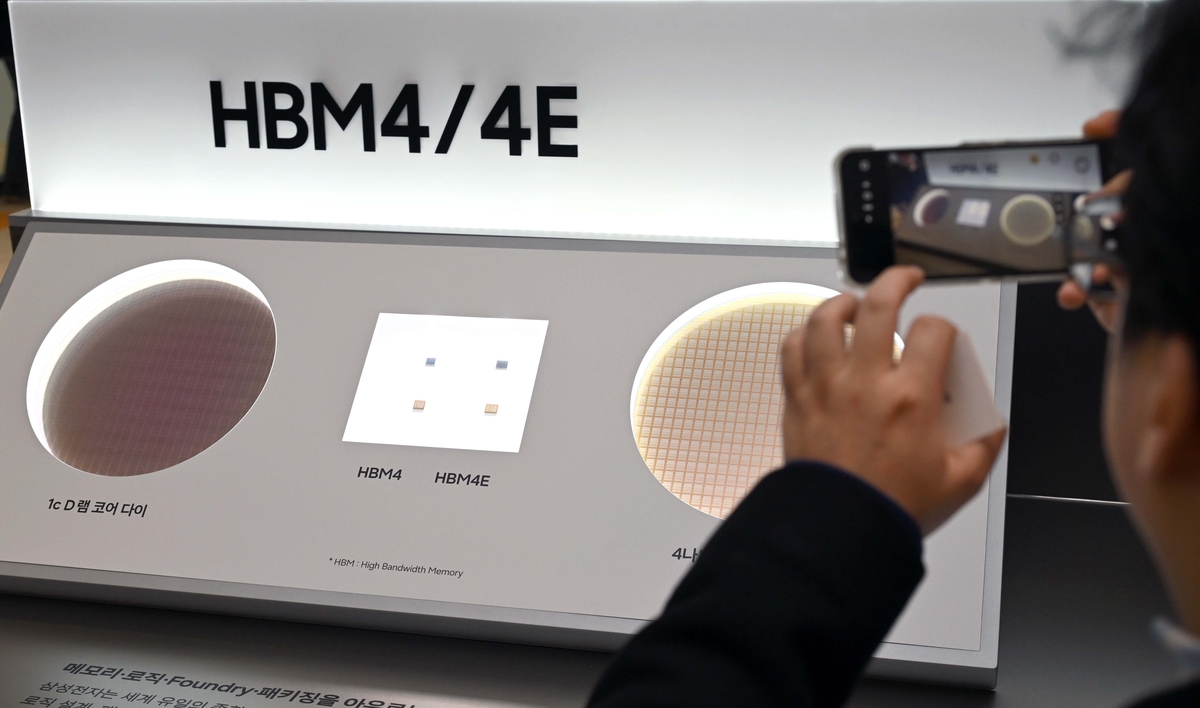
Samsung Electronics is reportedly preparing to more than double its production capacity for High Bandwidth Memory (HBM) DRAM, specifically targeting its upcoming HBM4 and HBM4E variants. This aggressive expansion, slated to begin next year, underscores the escalating demand for advanced memory solutions critical for powering the latest AI accelerators and high-performance computing systems. Sources indicate that the company aims to significantly boost output from its existing facilities and potentially explore new manufacturing lines to meet anticipated market needs.
The current generation of HBM, particularly HBM3 and HBM3E, has become a bottleneck for AI chipmakers like NVIDIA, AMD, and Intel. As these companies push the boundaries of generative AI and large language models, the need for faster, wider, and more power-efficient memory interfaces becomes paramount. Samsung's strategic move to ramp up HBM4 and HBM4E production suggests a proactive approach to capturing a larger share of this rapidly growing market, where demand is projected to outstrip supply for the foreseeable future.
HBM4, the next iteration in the HBM standard, is expected to bring further architectural improvements and enhanced performance metrics. While specific details are still emerging, industry observers anticipate advancements in die stacking technology, interconnects, and potentially new materials to achieve higher bandwidth and lower latency. HBM4E, likely an enhanced version of HBM4, could offer even more specialized capabilities or performance boosts for the most demanding AI workloads.
Market Dynamics and Competitive Landscape
Samsung's decision to more than double HBM output is not just a production strategy; it’s a clear signal of the intense competition brewing in the AI memory space. SK Hynix, currently a dominant player with its HBM3 and HBM3E offerings, has been a primary supplier for NVIDIA's AI GPUs. Samsung's aggressive expansion aims to challenge this stronghold and provide alternative supply options for AI chip designers. Micron, another key memory manufacturer, is also investing heavily in its HBM roadmap, indicating a multi-vendor future for these critical components.
The demand for HBM is intrinsically linked to the proliferation of AI hardware. As more companies develop custom AI chips or seek to optimize existing designs for generative AI, the need for memory that can keep pace with increasingly powerful processors grows. This isn't just about raw speed; it's about the ability to feed massive datasets to AI models quickly and efficiently. HBM’s stacked architecture, which allows for a much wider memory interface than traditional DDR memory, is uniquely suited for these tasks.
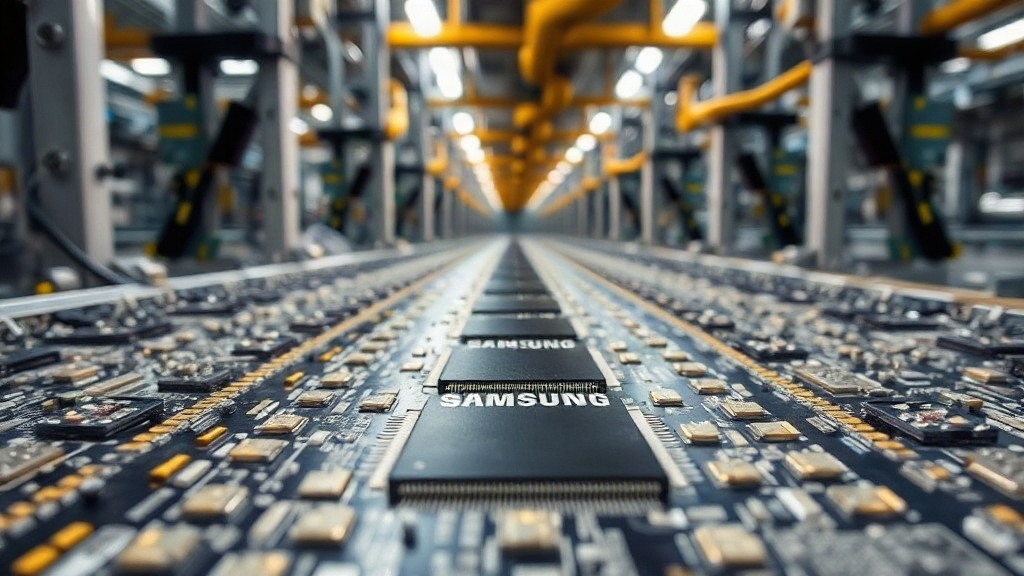
However, the production of HBM is exceptionally complex. It involves advanced packaging techniques, such as Through-Silicon Vias (TSVs), and precise die stacking. Achieving high yields at scale for these sophisticated processes is a significant engineering challenge. Samsung's commitment to doubling output suggests they have overcome, or are confident in overcoming, these manufacturing hurdles. This move is a high-stakes gamble, requiring substantial capital investment in R&D and fabrication infrastructure, but one that could pay off handsomely if they secure key contracts with major AI hardware vendors.
The Significance of HBM4 and HBM4E
The transition to HBM4 and HBM4E represents a crucial evolutionary step in memory technology. While HBM3E pushed the boundaries with its thermal control and performance, HBM4 is anticipated to introduce fundamental changes. One key area of development is expected to be the interface between the logic die and the DRAM dies, potentially moving towards a more integrated approach. This could involve the use of a silicon interposer or even a hybrid bonding approach, further reducing signal loss and increasing bandwidth.
Furthermore, power efficiency remains a critical concern for AI accelerators, which consume vast amounts of energy. HBM4 and HBM4E are expected to deliver improved performance per watt, a metric that is becoming increasingly important as data centers grapple with rising energy costs and environmental sustainability goals. For founders building the next generation of AI hardware, the memory solution is as critical as the processing units themselves. Securing a reliable and high-performance HBM supply chain is a strategic imperative.
The development cycle for memory standards is long, and HBM4 is still in its formative stages, with JEDEC working on the official specifications. Samsung's announcement, even if based on early industry understanding and internal targets, signals their intent to lead the charge into this new generation of memory. Their ability to execute this production ramp-up will be closely watched by competitors and customers alike. What remains to be seen is how quickly the broader AI ecosystem will adopt HBM4, and whether Samsung's expanded capacity will be matched by the market's readiness for the new standard.
Implications for the AI Ecosystem
This production increase has profound implications for the entire AI hardware supply chain. For AI chip designers, it promises a more robust supply of next-generation memory, potentially alleviating the shortages that have plagued the industry. This could accelerate the development and deployment of new AI accelerators, enabling more powerful and efficient AI models. The availability of HBM4 and HBM4E could also spur innovation in chip architectures, as designers can leverage higher memory bandwidth and capacity.
For data center operators and cloud providers, this means a future with more capable AI infrastructure. The ability to deploy systems with enhanced memory performance can translate directly into faster training times for large models, quicker inference for AI applications, and ultimately, lower operational costs due to improved power efficiency. This strategic investment by Samsung could be a critical enabler for the next wave of AI adoption across various industries.
The competitive dynamic will also shift. With Samsung significantly increasing its HBM output, the market may see greater price stability and more negotiation power for AI hardware manufacturers. This could lead to more cost-effective AI solutions, driving wider adoption and innovation. The race to dominate the AI memory market is on, and Samsung's move signals their intent to be a frontrunner in the HBM4 era.