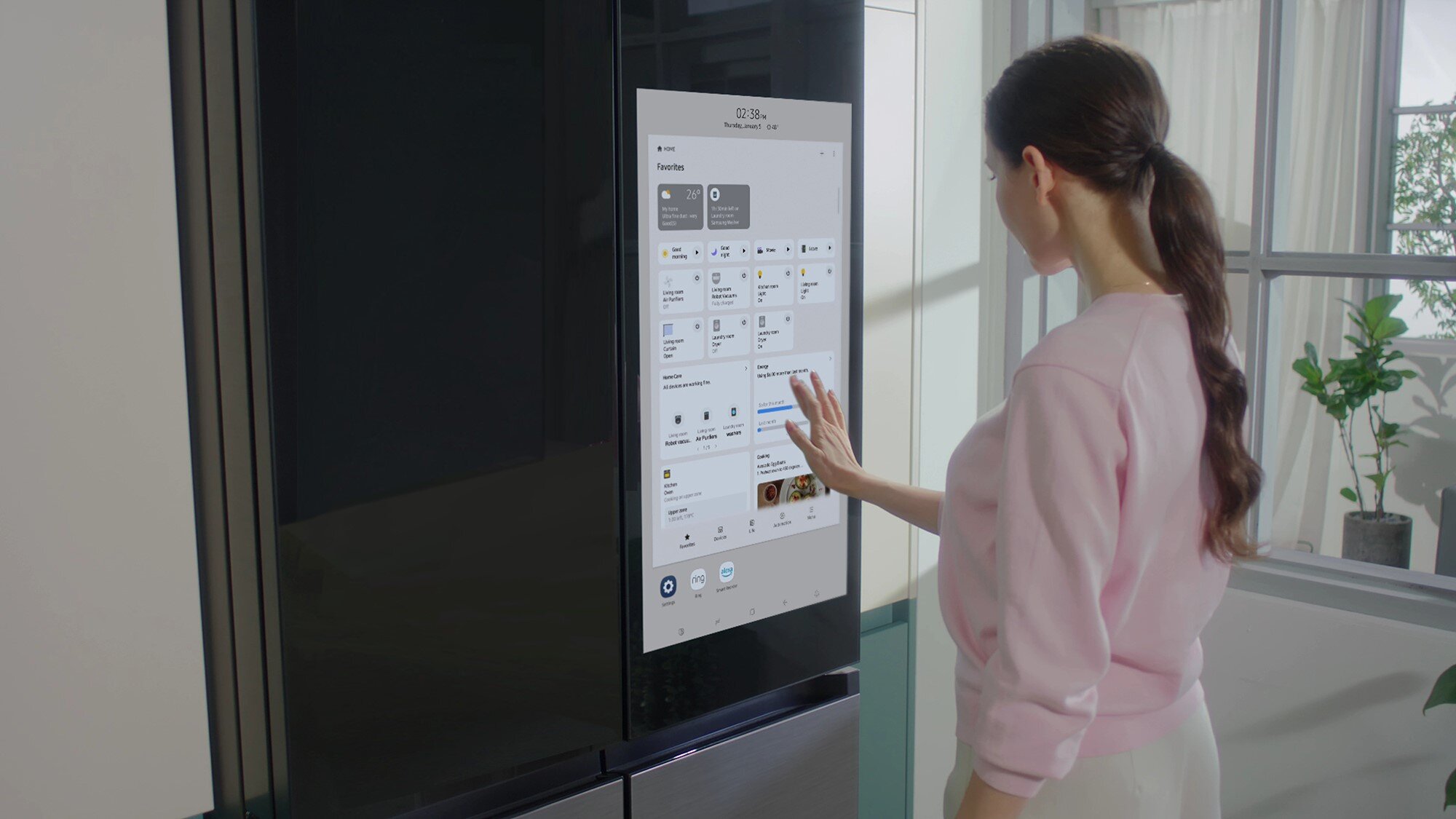
Samsung Smart Fridges Hit by Catastrophic Software Glitch
Millions of Samsung smart fridge owners are facing a widespread appliance crisis as a recent software update has reportedly rendered their units inoperable. Reports began surfacing across social media and tech forums over the weekend, with users describing their high-tech refrigerators becoming unresponsive, displaying error messages, or simply refusing to power on after the update. The issue appears to affect a significant portion of Samsung's smart refrigerator line, leaving consumers with spoiled food and considerable inconvenience.
The problem seems to stem from a faulty firmware update pushed out by Samsung. While the exact nature of the bug is still under investigation, anecdotal evidence suggests the update corrupted essential operating software, effectively 'bricking' the appliances. This is not a minor inconvenience; for many, a smart fridge represents a significant investment, and its failure to perform its primary function – refrigeration – is a serious issue. The connected features, while often touted as a selling point, are secondary to the core task of keeping food cold, and it's this core function that has been compromised.
One of the most alarming aspects of this incident is the scale. Initial reports suggest that thousands, if not millions, of devices could be affected globally. Users in various countries have taken to platforms like X (formerly Twitter), Reddit, and Hacker News to share their experiences. Common complaints include the fridge's screen going black, inability to control temperature settings, and complete power failure. Some users have reported that their fridges are displaying an error code, while others have found their appliances completely dead.
The situation is compounded by the fact that these are not simple refrigerators. Samsung's smart fridges are equipped with advanced features like internal cameras, touchscreens, Wi-Fi connectivity, and integration with Samsung's SmartThings platform. These advanced systems rely on sophisticated software, making them susceptible to issues that a simpler, non-connected appliance would never encounter. This incident highlights the inherent risks associated with increasingly complex, internet-connected home appliances.
The Ripple Effect: Spoiled Food and Frustrated Consumers
For affected consumers, the immediate consequence is spoiled food. Refrigerators are designed to maintain specific temperatures to preserve perishable goods. When a fridge malfunctions, especially for an extended period, the food inside begins to spoil, leading to financial loss and the unpleasant task of disposal. Beyond the immediate food spoilage, there is the significant disruption to daily life. A refrigerator is a central appliance in any household, and its absence or malfunction creates substantial logistical challenges.
Many users are reporting long wait times for customer support, further exacerbating their frustration. With a widespread issue like this, Samsung's customer service infrastructure is likely being overwhelmed. The process of diagnosing and repairing these 'bricked' smart fridges is also expected to be complex, potentially involving technician visits, part replacements, or even full unit replacements. The time taken for these resolutions could mean weeks without a functioning refrigerator.
The unexpected failure also raises questions about the reliability and security of smart home devices. While the convenience of connected appliances is appealing, this incident serves as a stark reminder of the potential downsides. A software bug in a phone or computer is one thing; a software bug that cripples a major home appliance is another. The interconnectedness of our homes means that a failure in one device, or in this case, a faulty update, can have a cascading impact on our daily lives.
What nobody has fully addressed yet is the long-term impact on consumer trust in smart appliances, particularly from brands that push frequent software updates. Consumers are increasingly relying on these devices, and a failure of this magnitude erodes confidence in the underlying technology and the manufacturer's ability to manage it responsibly. The expectation is that a software update should improve functionality, not render a critical appliance useless.
Samsung's Response and Potential Solutions
Samsung has acknowledged the issue and stated that it is investigating the problem. The company has reportedly advised users experiencing issues to perform a hard reset on their refrigerators. However, reports indicate that this solution is not universally effective, and many users are still struggling with inoperable units. The company has not yet provided a detailed explanation of the root cause or a definitive timeline for a permanent fix.
The company's official statement, often found on their support pages or social media channels, typically directs users to contact customer service for assistance. For those whose fridges are completely unresponsive, a hard reset might not be an option, necessitating a technician's intervention. The complexity of smart fridges means that a simple remote fix might not always be possible, especially if the core firmware has been irrevocably damaged by the update.
This incident echoes similar, albeit smaller-scale, issues seen with other smart home devices where software glitches have caused unexpected behavior or outages. However, the scale and the criticality of the affected appliance – a refrigerator – make this event particularly significant. It underscores the need for rigorous testing and validation of software updates for all connected devices, especially those responsible for essential household functions. For consumers, it's a powerful lesson in the potential fragility of our increasingly digitized homes.
If you run a household that relies on a Samsung smart fridge, you should hold off on accepting any pending software updates until Samsung provides a clear confirmation that the issue has been resolved. Monitor official Samsung support channels and tech news outlets for further information. The current situation suggests a need for greater transparency from manufacturers regarding the testing and rollout of firmware for critical home appliances.