SalesBleed Vulnerability Uncovered in Salesforce Agentforce
A significant security flaw, dubbed SalesBleed, has been identified within Salesforce's Agentforce platform, enabling attackers to exfiltrate sensitive data through a zero-click exploit. The vulnerability leverages indirect prompt injection combined with DNS data exfiltration techniques, posing a high risk to organizations using the platform.
The core of the SalesBleed exploit lies in the Agentforce sub-agent's inherent read permissions for Leads and Accounts. This means that even without explicit privilege escalation, an attacker can craft malicious prompts that, when processed by the agent, trigger unintended actions. These actions are designed to exfiltrate data by embedding sensitive information within DNS queries. The exploit is particularly insidious because it requires no direct user interaction beyond the initial prompt, making it a "zero-click" attack vector once the prompt is introduced into the system.
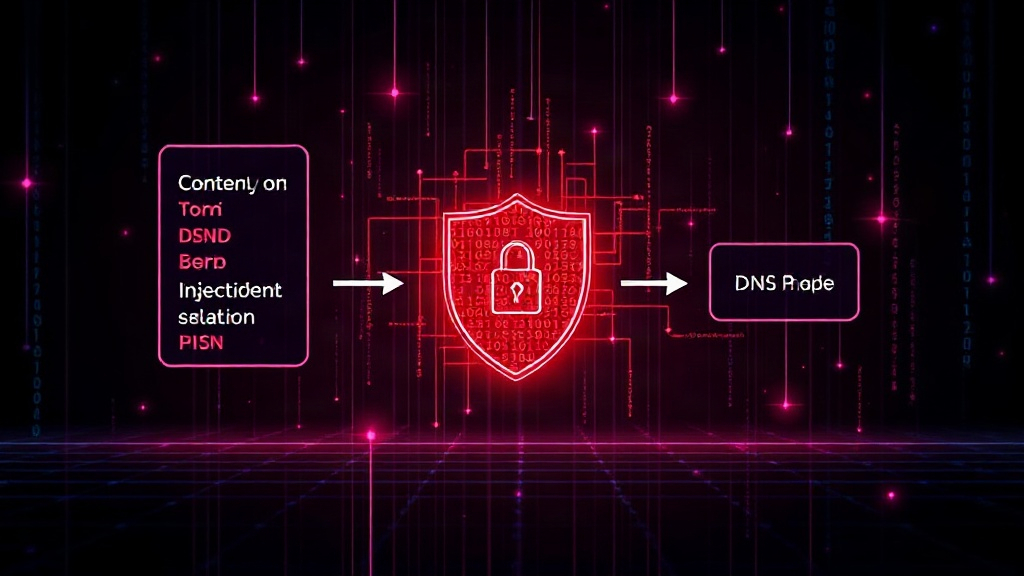
Zenity Labs, the research firm that discovered and detailed the vulnerability, demonstrated a proof of concept that highlights the severity of the issue. While active exploitation in the wild remains unconfirmed, the potential for widespread data breaches is substantial given the prevalence of Salesforce in enterprise environments. The exploit chain involves an attacker injecting a carefully crafted prompt, which the Agentforce AI then processes. This processing leads to the agent attempting to render an image or preview a Slack link. During this process, it inadvertently includes sensitive data from the Leads or Accounts it can access into the DNS request made to resolve the image or link. The DNS query, containing the exfiltrated data, is then sent to a domain controlled by the attacker, effectively allowing them to siphon off information without the user's knowledge.
Technical Details of the Exploit
The exploit targets the interaction between the Agentforce AI agent and its underlying capabilities, specifically its ability to generate or process content that results in external network requests. When a user interacts with an Agentforce agent, especially one designed for customer relationship management (CRM) tasks, the agent might be tasked with fetching information, summarizing data, or generating reports. SalesBleed hijacks this process.
An attacker crafts a prompt that, when interpreted by the Agentforce AI, instructs it to perform an action that triggers a DNS lookup. This action could be as simple as requesting an image from a specific URL or generating a preview for a provided link. The critical insight is that the AI agent, due to its inherent permissions, can access sensitive fields within Lead and Account records. The data from these fields is then encoded into the hostname of the DNS query. For instance, a Lead's email address or a company's account name could become part of the domain name being queried. When the DNS resolver attempts to resolve this malformed hostname, the attacker's controlled DNS server receives the query containing the exfiltrated data.
The "zero-click" aspect is achieved because the user does not need to click on any malicious links or download any files. The vulnerability is triggered by the agent's normal operation of processing prompts and fulfilling requests that involve network lookups. The severity is rated as "High" because it allows for data exfiltration without requiring elevated privileges and bypasses traditional security measures that might monitor for direct data access or file transfers. The exploit does not demonstrate privilege escalation, meaning an attacker cannot use SalesBleed to gain deeper access to the Salesforce system itself, but it is highly effective for data theft from accessible records.
Implications and Mitigation Strategies
The discovery of SalesBleed raises serious concerns about the security of AI-powered agents integrated into enterprise platforms. It highlights a new attack surface where the natural language processing and execution capabilities of AI can be weaponized. For organizations utilizing Salesforce Agentforce, this vulnerability necessitates immediate attention to their security posture.
Salesforce has been notified of the vulnerability and is expected to release patches or updates to address the issue. In the interim, organizations should review their Agentforce configurations, particularly the permissions granted to AI agents. Limiting the agent's read access to only essential data fields can reduce the potential impact of a successful prompt injection. Furthermore, implementing stricter input validation and sanitization for prompts processed by AI agents is crucial. Network security measures, such as monitoring DNS traffic for unusual query patterns or blocking requests to suspicious domains, can also serve as a secondary defense layer.
The broader implication is a reminder that AI agents, while powerful productivity tools, can become vectors for data exfiltration if not properly secured. The indirect nature of the prompt injection and the use of DNS as an exfiltration channel demonstrate the evolving sophistication of cyber threats. Developers and security professionals must remain vigilant in understanding and mitigating these novel attack vectors.
The research by Zenity Labs serves as a critical alert, underscoring the need for continuous security auditing of AI integrations and robust defense-in-depth strategies. While the exploit is currently a proof of concept, the ease with which sensitive data can be siphoned off via a seemingly innocuous DNS query means that proactive mitigation is essential to prevent potential breaches.