Indian Startup AgniKul Cosmos on the Brink of First Launch
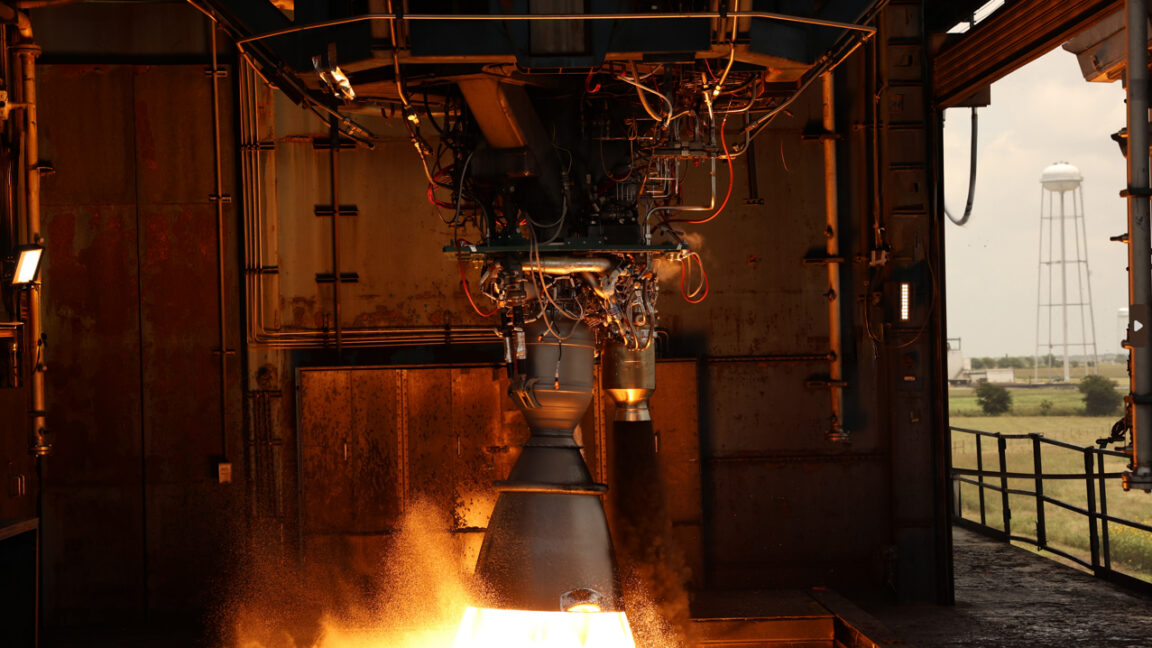
The Indian space startup AgniKul Cosmos is nearing a significant milestone: its first orbital launch. The company, based in Chennai, has been developing its Agnibaan rocket, a customizable, two-stage, small-lift launch vehicle designed for on-demand launch services. Agnibaan's design emphasizes rapid assembly and launch, with the company aiming to significantly reduce turnaround times for small satellite deployment.
Agnibaan is notable for its unique hybrid engine architecture, which allows for a significant degree of customization for specific mission requirements. The rocket can be configured with different upper stages and payload fairings, allowing it to cater to a diverse range of customer needs. The company's manufacturing process also incorporates 3D printing for critical components, aiming to streamline production and improve reliability.
The upcoming launch is expected to be a demonstration flight, carrying a payload that will validate the rocket's performance and the company's ground support infrastructure. AgniKul has established a private launch site at the ISRO campus in Sriharikota, which is designed to support rapid launch operations. This dedicated facility underscores the company's commitment to offering responsive launch services for the burgeoning small satellite market.
The Indian space sector has seen a surge in private investment and activity following the government's liberalization of the sector. Startups like AgniKul Cosmos are at the forefront of this new era, aiming to leverage technological innovation and agile development to capture a share of the global launch market. The success of AgniKul's first launch would not only be a triumph for the company but also a significant indicator of the growing capabilities within India's private space industry.
SpaceX Achieves 1,000th Mission Milestone
In parallel, SpaceX, the dominant player in the commercial launch market, has quietly achieved its own significant milestone: the 1,000th mission completion. This number encompasses all launches conducted by the company, including its Falcon 9, Falcon Heavy, and historic Crew Dragon missions to the International Space Station.
SpaceX's journey to this millenary milestone is a testament to its rapid innovation and aggressive launch cadence. The company's reusable rocket technology, pioneered with the Falcon 9, has drastically reduced launch costs, making space access more affordable and frequent. This reusability has been key to enabling the high number of missions, allowing SpaceX to rapidly turn around boosters for subsequent flights.
The 1,000th mission itself was a Falcon 9 launch, carrying a batch of Starlink satellites. This particular launch highlights SpaceX's dual role as a provider of launch services for external customers and as the enabler of its own ambitious satellite constellation. The Starlink constellation, designed to provide global broadband internet, is one of the largest satellite networks in orbit.
SpaceX's consistent performance and reliability have reshaped the global launch landscape. The company has become the go-to provider for a wide array of customers, from government agencies like NASA to commercial satellite operators and even other space companies that rely on Falcon rockets for their own payload deployments. The sheer volume of missions demonstrates an operational tempo unmatched by any other launch provider.
Market Context and Future Outlook
The simultaneous developments from AgniKul Cosmos and SpaceX highlight the dynamic and rapidly evolving nature of the space launch industry. On one end, AgniKul represents the burgeoning wave of new entrants aiming to serve the niche market of small satellite launches with agile and cost-effective solutions. Their success hinges on proving reliability and achieving competitive launch costs.
On the other end, SpaceX continues to set new benchmarks for operational efficiency and mission frequency. Their dominance is built on a foundation of technological prowess, particularly in reusability, and a relentless pursuit of lower launch costs. As SpaceX pushes towards even larger rockets like Starship, their influence on the market is only expected to grow.
The global demand for launch services is projected to increase significantly in the coming years, driven by factors such as the expansion of satellite constellations for communication and Earth observation, the growth of space tourism, and the increasing interest in lunar and deep space missions. Startups like AgniKul must navigate this competitive landscape by finding their specific market niche and proving their value proposition. For established players like SpaceX, the challenge will be to maintain their lead while scaling their operations and developing next-generation launch capabilities.
The success of AgniKul's maiden flight will be a crucial indicator for the health and potential of India's private space sector. Meanwhile, SpaceX's continued high-cadence operations will likely continue to set the pace for the industry, influencing pricing, technology development, and market access for all players. The contrast between a startup on the cusp of its first flight and a titan celebrating a thousand missions encapsulates the industry's exciting, albeit challenging, trajectory.