
Rheinmetall Discloses Battlesuite Connectivity Protocol
German defense technology firm Rheinmetall has taken a significant step towards fostering interoperability in military hardware by open-sourcing the protocol for its Battlesuite connected weapon system. This move, detailed in publicly available API documentation, allows external developers and system integrators to understand and potentially interface with Rheinmetall's advanced combat systems. The documentation, accessible via GitHub, outlines the structure and commands for integrating with various weapon platform functionalities.
Understanding the Battlesuite Protocol
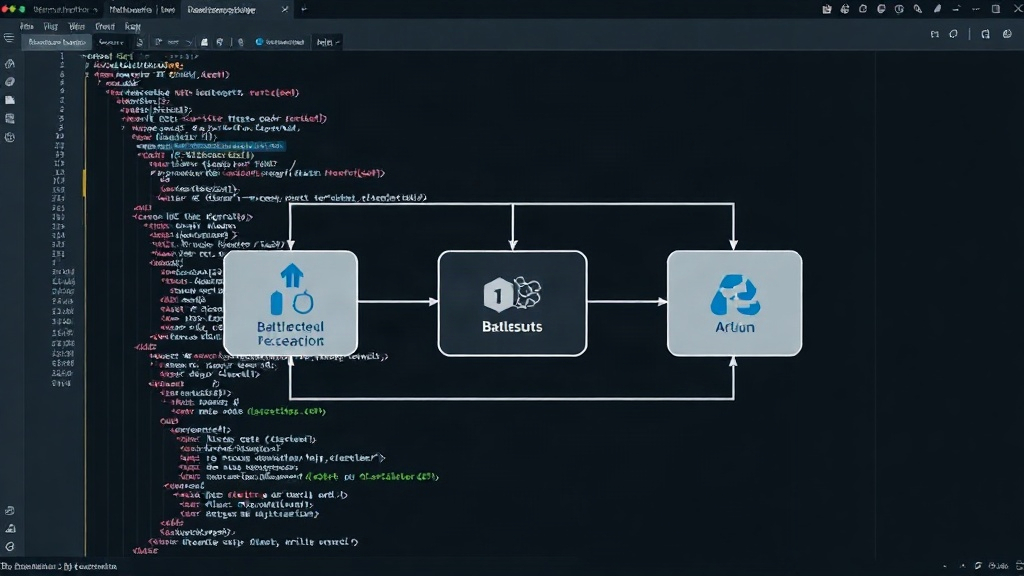
Battlesuite represents Rheinmetall's vision for a networked battlefield, where individual weapon systems are not isolated units but integral parts of a larger, data-driven command and control architecture. The open-sourced protocol provides the technical blueprint for this vision. It details how software can communicate with the weapon platform's onboard systems, enabling functionalities such as target acquisition, fire control, system status monitoring, and potentially even remote diagnostics and updates.
The documentation, versioned at 9.10.0, appears to cover a range of communication interfaces and data structures. Developers can expect to find information on message formats, command sets, and expected responses. This level of transparency is unusual for proprietary defense systems, which are typically kept under tight security and intellectual property controls. Rheinmetall's decision to publish this protocol suggests a strategic intent to build an ecosystem around its technology, rather than maintaining a closed, in-house solution.
Implications for Defense Technology Integration
The open-sourcing of the Battlesuite protocol has several key implications for the defense technology sector. Firstly, it dramatically lowers the barrier to entry for third-party developers seeking to create specialized applications or integrate Battlesuite-equipped platforms with existing command and control networks (C2). This could accelerate the development of new capabilities, such as advanced targeting algorithms, AI-driven threat assessment tools, or custom user interfaces, that can leverage the raw data and control mechanisms provided by Battlesuite.
Secondly, it signals a shift in how defense contractors are approaching system integration. Historically, proprietary interfaces and closed architectures have led to vendor lock-in and cumbersome integration processes. By providing a standardized, documented protocol, Rheinmetall is enabling a more modular and flexible approach to military system design. This could lead to more agile development cycles and a greater ability for military forces to adapt their equipment to evolving threats and operational requirements.
The protocol's availability also raises questions about standardization. While this specific protocol is for Rheinmetall's system, its open nature might influence or be influenced by broader efforts towards military hardware interoperability standards. If other defense manufacturers follow suit, or if this protocol gains traction, it could pave the way for more universal communication standards across different platforms and vendors.
What This Means for Developers and Integrators
For developers and system integrators, this is an opportunity to engage directly with a cutting-edge military technology. The technical documentation is the primary resource. It will detail the Application Programming Interfaces (APIs) that allow software to interact with the Battlesuite system. This includes understanding the data packets sent and received, the commands that can be issued, and the expected behavior of the weapon system in response. The depth of this documentation will determine the complexity of integrations possible. For instance, understanding how to reliably request and interpret sensor data, or how to securely issue firing commands, will be critical.
The success of this initiative hinges on the clarity and completeness of the documentation. A well-structured API with clear examples and robust error handling will be crucial for widespread adoption. Developers will need to consider the stringent security requirements inherent in military applications. While the protocol itself is open, the actual implementation and deployment will undoubtedly involve rigorous security protocols and certifications, especially when dealing with live weapon systems.
Security and Future Considerations
The open-sourcing of a connected weapon system protocol naturally brings security to the forefront. While Rheinmetall's release is focused on the API documentation, the underlying security of the Battlesuite system itself remains paramount. The protocol's documentation is likely to outline security features, such as authentication and encryption methods, that must be employed by any integrated system. However, the very act of opening up an interface, even a documented one, introduces a new attack surface that must be meticulously managed.
The surprising detail here is not merely the act of open-sourcing, but the potential it unlocks for a more collaborative and innovative defense technology landscape. This move by Rheinmetall challenges traditional closed-system paradigms and could set a precedent for how future military hardware is designed and integrated. The long-term impact will depend on how widely this protocol is adopted and whether it can truly foster a secure and interoperable ecosystem for connected weapon systems.