Prentis: The Next Frontier in AI Automation

Prentis, a nascent AI laboratory co-founded by prominent tech figures Reid Hoffman and Mark Pincus, is reportedly in advanced discussions to secure $100 million in funding. The venture is built on a compelling thesis: that automating everyday computer tasks will soon eclipse traditional coding as AI's most impactful use case. This ambitious goal positions Prentis at the intersection of artificial intelligence, workflow automation, and the future of digital labor. While specifics on the funding round remain undisclosed, the involvement of Hoffman, a LinkedIn co-founder and venture capitalist, and Pincus, the creator of Zynga, signals significant industry confidence and strategic intent. The sheer scale of the potential investment underscores the perceived market opportunity in automating the vast landscape of repetitive digital activities that currently consume human time and effort. This could range from data entry and report generation to customer support interactions and software testing – tasks that, while mundane, are foundational to business operations across virtually every sector.
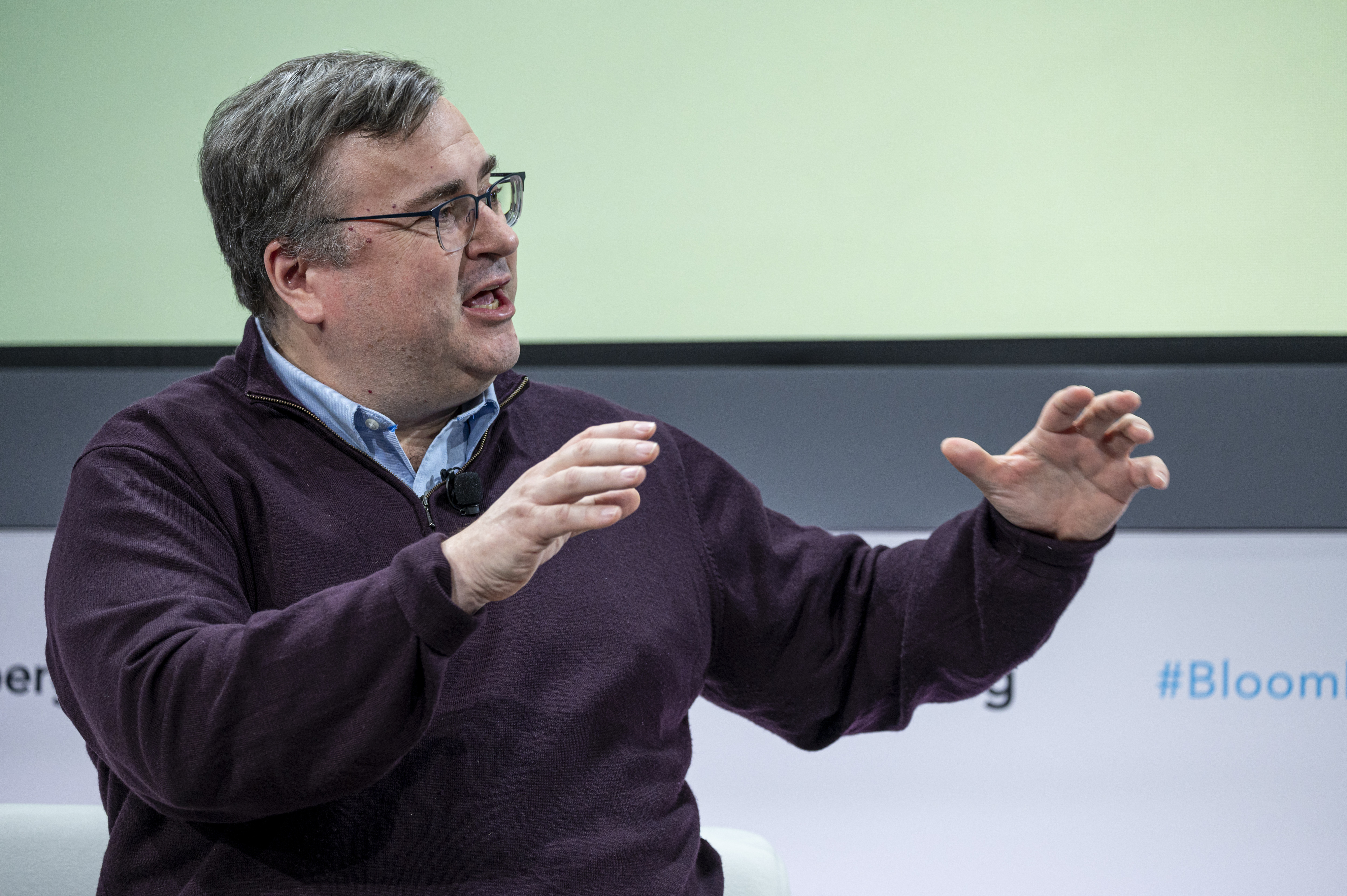
Reid Hoffman and Mark Pincus discussing AI strategy at Prentis launch event.

The Automation Imperative

The core argument driving Prentis is that the current wave of AI development, while impressive in its generative capabilities, has yet to fully unlock its potential in streamlining operational workflows. Existing AI tools often require significant human oversight, prompt engineering, or integration effort. Prentis aims to move beyond this, envisioning AI agents capable of understanding and executing complex, multi-step tasks with minimal human intervention. Think of it less like a smart assistant that takes dictation and more like a highly competent intern who can independently manage a defined set of responsibilities, learning and adapting as they go. This vision challenges the prevailing narrative that AI's primary impact will be in generating content or assisting developers with code. Instead, Prentis posits that the true revolution lies in freeing up human capital from the drudgery of routine digital work. If successful, this could lead to a seismic shift in how businesses operate, potentially reducing overhead, increasing efficiency, and allowing human employees to focus on higher-value strategic and creative endeavors. The economic implications are profound, suggesting a future where AI handles the bulk of the "busywork" that underpins much of the modern economy.

Market Landscape and Competitive Edge

The AI automation space is already a crowded and rapidly evolving field. Companies like Microsoft with its Copilot initiatives, Google Workspace's AI features, and a plethora of startups focusing on robotic process automation (RPA) and AI-powered workflow tools are already vying for market share. However, Prentis appears to be aiming for a more generalized and autonomous form of task automation, distinguishing itself from tools that typically automate specific, narrowly defined processes. The success of such a broad approach hinges on the AI's ability to generalize across different applications and user contexts, a notoriously difficult challenge in AI development. What remains unclear is Prentis's specific technical approach. Will it leverage existing large language models (LLMs) and fine-tune them for task execution, or is it developing novel AI architectures? The ability to reliably and securely automate tasks that often involve sensitive data or critical business functions will be paramount. Trust, accuracy, and robust security protocols will need to be foundational to the platform, not afterthoughts. The co-founders' track records suggest a deep understanding of scaling complex technological ventures, but the technical hurdles of achieving truly autonomous, general-purpose task automation are significant.

The Human Element in an Automated World

The potential societal implications of Prentis's mission are vast. If routine computer tasks can be effectively automated, it raises questions about the future of certain job roles. While proponents argue that this will free humans for more fulfilling work, the transition period could be disruptive. The challenge for Prentis, and the industry at large, will be to navigate this shift responsibly, ensuring that automation enhances human capabilities rather than simply displacing workers. The company's focus on