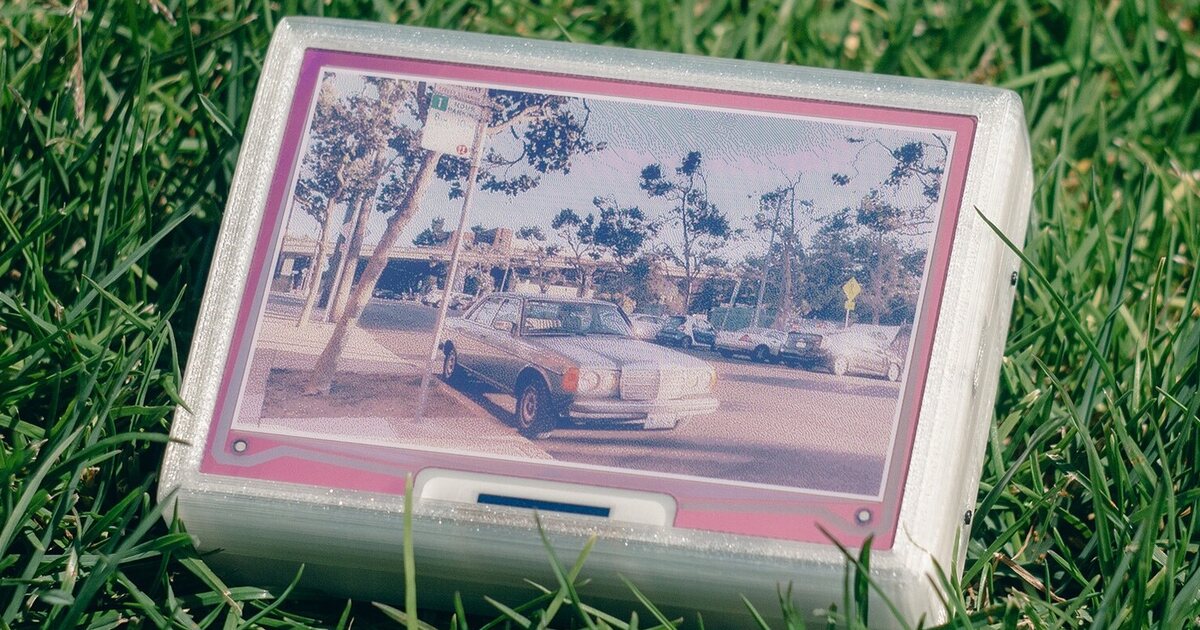
The ReFrame EPaper Camera: A Back-to-Basics Approach

The ReFrame camera emerges as a deliberate counterpoint to the feature-laden, always-connected digital cameras that dominate the market. Its core innovation lies in its use of a monochrome e-paper display, similar to what you find in e-readers. This choice immediately sets ReFrame apart, prioritizing a focused shooting experience and exceptional battery life over the immediate gratification of high-resolution, full-color live views and instant sharing. The philosophy behind ReFrame seems to be a rejection of the smartphone-as-camera paradigm, not by trying to match its connectivity, but by stripping away its distractions. The e-paper display means no more endless scrolling through menus, no bright, distracting LCD screens that drain power. Instead, users are presented with a simple, static image of their scene, encouraging a more deliberate and thoughtful approach to composition and capture. This echoes the mindful photography movement, where the process of taking a photo is as important as the final output.

Design and User Experience

ReFrame’s design prioritizes a tactile and analog feel. The camera body is crafted from aluminum and features a physical shutter button, a mode dial, and a focus ring. These physical controls are designed to provide satisfying feedback, further distancing the experience from the often-impersonal touchscreens of modern devices. The e-paper display serves as the viewfinder, showing a persistent, low-power representation of the scene. This display is not for reviewing photos in real-time; instead, images are saved and can be reviewed later, typically via a companion app or by transferring them to a computer. The e-paper display is a significant departure from traditional digital camera viewfinders. Its refresh rate is slow, and it's monochrome. This means it’s not suitable for tracking fast-moving subjects or for precise manual focusing in low light. However, it excels at providing a clear, static image under bright conditions and, critically, consumes almost no power when displaying a static image. This translates to potentially weeks or even months of battery life on a single charge, depending on usage. This battery longevity is a major selling point for photographers who value reliability and are tired of constantly managing battery levels.
ReFrame camera body showcasing its minimalist aluminum design and physical controls

Technical Specifications and Image Capture

While the user experience is deliberately minimalist, the image capture capabilities are not entirely sacrificed. ReFrame is equipped with a 1-inch sensor, which is a respectable size for a compact camera, offering good low-light performance and dynamic range. The lens is a fixed 35mm equivalent, a classic focal length favored by street photographers and documentarians. The camera captures images in JPEG and RAW formats, allowing for post-processing flexibility. The RAW files, in particular, will be key for photographers looking to extract the most quality from the sensor. Reviewing images is handled differently. Once a photo is taken, it appears on the e-paper display for a brief moment before the display reverts to its viewfinder function. For detailed review, users would typically connect the camera to a computer or use a mobile app. This separation of capture and review reinforces the camera's intention to minimize distractions during the shooting process. The lack of a high-resolution LCD also means that the camera is lighter and potentially more durable, as there's no large glass screen to scratch or break. The e-paper display's limitations mean that precise exposure adjustments in challenging lighting might require more experience or reliance on the camera's automatic modes. However, for photographers who enjoy the challenge of manual control and who primarily shoot in well-lit conditions, this setup could be highly rewarding. The persistent image on the viewfinder, even when the camera is technically 'off' or in standby, also offers a unique way to frame shots without the constant power draw of an LCD.

Target Audience and Market Position

ReFrame is not aiming for the mass market. Its target audience is likely composed of photography enthusiasts, artists, and professionals who appreciate analog workflows, minimalist design, and the concept of mindful creation. These users are often frustrated by the complexity and constant connectivity of modern digital cameras and smartphones. They seek tools that enhance, rather than detract from, the creative process. The camera’s price point and limited feature set will further define its niche. Competitors in this space are few, but ReFrame taps into a growing sentiment against digital overload. Brands like Leica have long catered to a similar audience with their premium, mechanically focused cameras, though typically at a much higher price point and with advanced (though still analog-feeling) digital capabilities. More directly, ReFrame competes with the idea of using a smartphone for photography, arguing that a dedicated device, even a minimalist one, can offer a superior creative experience. The e-paper display is the unique differentiator, offering a battery life and user experience that no smartphone or conventional digital camera can match.

The Future of Minimalist Digital Photography?

ReFrame’s EPaper Camera is a bold experiment. It challenges the prevailing notion that more features and higher resolutions are always better. By embracing limitations, particularly the e-paper display, it carves out a unique space in the digital photography landscape. The success of ReFrame will depend on its ability to deliver on its promise of a focused, battery-efficient, and enjoyable shooting experience, and whether a significant enough audience values these attributes over the conveniences offered by more conventional cameras. What remains to be seen is if this minimalist approach can gain traction beyond a dedicated niche, or if it will remain a curiosity for the most discerning photographers.