The Unmet Promise of Redis Client Tracking
Four years after Redis 6 introduced CLIENT TRACKING, a feature designed to enable accurate client-side caching, the widely-used StackExchange.Redis library still lacks support. This omission means developers relying on this popular .NET client for Redis are unable to leverage Redis's built-in mechanism for keeping client caches in sync with server data. The consequence is a continued reliance on less reliable methods like Time-To-Live (TTL) guesswork or accepting the risk of serving stale data, which can lead to subtle but critical bugs in applications.
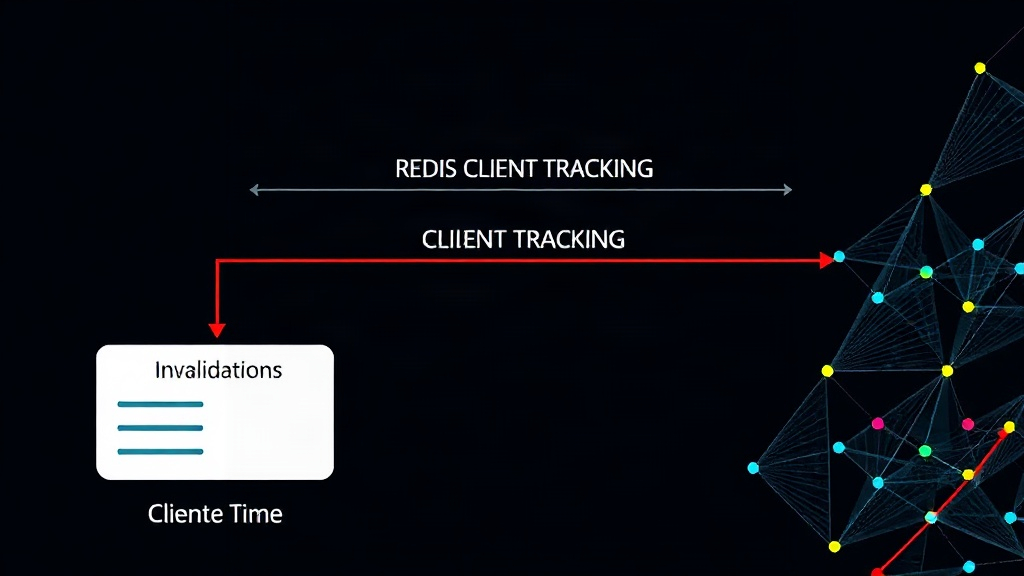
CLIENT TRACKING, first released in Redis 6 in 2020, allows a Redis connection to subscribe to invalidation messages. When a key that a client has read is modified or deleted on the server, Redis automatically pushes an invalidation message to the subscribed client. This mechanism is the cornerstone of a truly correct client-side cache, eliminating the need for clients to constantly poll for changes or rely on arbitrary TTLs that might expire too soon or too late. Without it, developers are left to build complex, custom solutions or accept the inherent limitations of TTL-based caching.
The issue has been a persistent one within the StackExchange.Redis community. A GitHub issue, #1461, was opened in 2020 to track the missing support for CLIENT TRACKING. Despite the library undergoing significant rewrites, including the 3.x series, the feature has yet to be implemented. This prolonged absence suggests a deeper challenge or a prioritization conflict within the library's development roadmap.
Why a Simple Fix Isn't Enough
The most immediate question for developers facing this gap is why a fork of the StackExchange.Redis library hasn't been created or widely adopted to include this crucial feature. Forking, however, presents its own set of long-term challenges. Maintaining a fork requires continuously merging upstream fixes and releases from the original project to benefit from bug fixes, performance improvements, and security patches. This creates a perpetual maintenance burden, potentially diverting resources from other critical development tasks.
Recognizing this, a novel approach has emerged in the form of packages like RedisNearCache. Instead of directly forking StackExchange.Redis, these solutions are designed to operate *alongside* the existing library. The core idea is to allow your current application infrastructure, which relies on StackExchange.Redis for its primary Redis interactions, to continue functioning as is. A secondary connection, managed independently by the new package (e.g., RedisNearCache), is established specifically to handle the CLIENT TRACKING functionality. This architecture aims to provide the benefits of client-side caching without forcing a disruptive migration or the ongoing overhead of a full fork.
This architectural pattern is akin to adding a specialized co-pilot to your existing aircraft. The pilot (StackExchange.Redis) continues to manage the main flight controls and navigation, performing all the familiar tasks. The co-pilot (RedisNearCache) takes on a specific, critical function – in this case, monitoring for data changes and managing the cache invalidation – without altering the primary flight system. This allows for the integration of advanced capabilities without a complete overhaul of the existing, stable system.
The Broader Implications for Caching Strategies
The continued absence of CLIENT TRACKING support in StackExchange.Redis forces developers into suboptimal caching strategies. Relying solely on TTLs means that data can be stale for the entire duration of the TTL, or it might be invalidated and removed from the cache prematurely, leading to unnecessary cache misses and increased load on the Redis server. This is particularly problematic for applications where data freshness is paramount, such as real-time dashboards, financial trading platforms, or collaborative editing tools.
While Redis itself has evolved significantly, the ecosystem of client libraries must keep pace. The popularity of StackExchange.Redis in the .NET community means that this gap has a wide-reaching impact. Developers are often hesitant to introduce third-party, less-established caching layers when a native solution is theoretically available within the database itself. The perceived complexity of integrating a separate caching layer, even one designed to be non-intrusive, can be a significant barrier.
The situation highlights a common tension in software development: the balance between maintaining backward compatibility and adopting new, powerful features. For the maintainers of StackExchange.Redis, the decision to implement or defer features like CLIENT TRACKING likely involves considerations of development resources, testing complexity, and potential impacts on the library's core stability. However, for the end-users – the developers building applications – the impact is tangible: a missing tool that could significantly improve performance and data consistency.
What remains unclear is the long-term strategy for StackExchange.Redis regarding advanced Redis features. Will future versions incorporate CLIENT TRACKING, or will the community continue to rely on external solutions? The answer will shape how .NET applications leverage Redis for efficient, real-time data access for years to come.