Project Collapse Over Legal and Procedural Hurdles
Blackstone-owned QTS has officially abandoned its ambitious 2,100-acre Digital Gateway data center project in Virginia. The decision follows years of legal challenges and culminates in the withdrawal of QTS's final appeal, effectively killing what was slated to be the world's largest data center campus. The project, which promised to be a significant hub for digital infrastructure, has succumbed not to market forces or technological obsolescence, but to a complex web of lawsuits and a critical procedural misstep.
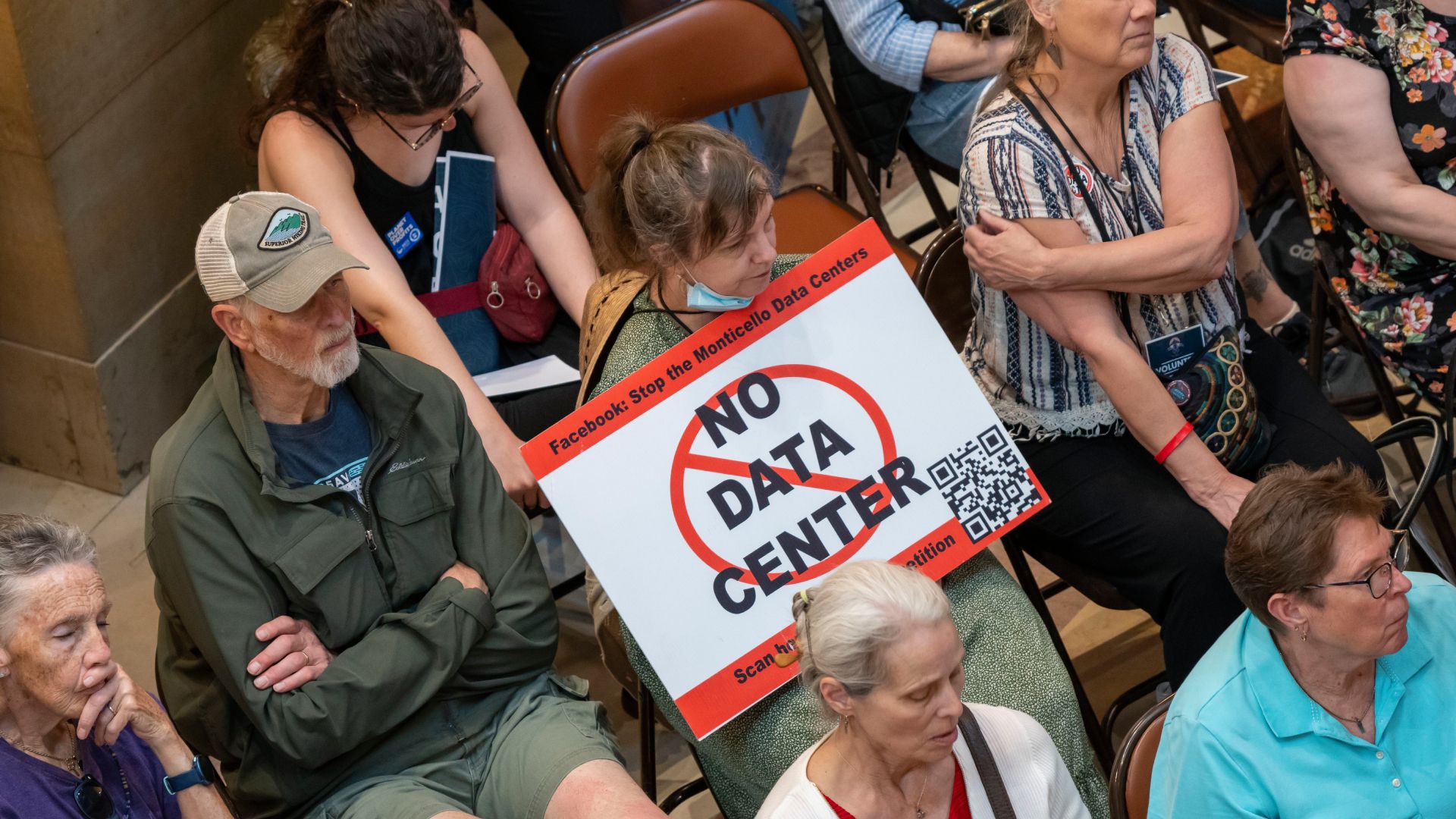
The Virginia Digital Gateway was envisioned as a sprawling 22-million-square-foot facility, designed to house an immense amount of computing power. Its potential to attract significant investment and create jobs in the region was widely acknowledged. However, from its inception, the project faced fierce opposition from local community groups and environmental advocates. These groups raised concerns about the project's environmental impact, its strain on local resources like water and power, and its potential to disrupt the rural character of the area. The legal battles that ensued were protracted, involving multiple filings, injunctions, and appeals, each step adding to the project's timeline and financial burden.
The final blow to the Digital Gateway came not from the substance of the environmental or community concerns, but from a technicality related to public notice requirements. QTS failed to properly publish a required newspaper notice for a key permit amendment, a detail that became the lynchpin for opponents to challenge the project's legality. This oversight, seemingly minor in the grand scheme of such a massive undertaking, proved to be insurmountable. Opponents seized on this procedural defect to halt the project, and QTS's subsequent legal efforts to salvage the development were ultimately unsuccessful.
The Anatomy of a Legal Stalemate
The opposition to the Digital Gateway was spearheaded by a coalition of local residents and environmental organizations, including groups like the Prince William County Land Use Committee and the Piedmont Environmental Council. Their primary arguments centered on the potential for massive water consumption by the data centers, the significant energy demands that would strain the local power grid, and the impact of construction and operation on local ecosystems and traffic. These concerns are not unique to the Digital Gateway; they represent a growing friction point as the demand for data center space, fueled by AI and cloud computing, clashes with community and environmental sustainability goals in densely populated or environmentally sensitive areas.
QTS, backed by the immense capital of Blackstone, initially pushed forward with aggressive development plans. The company argued that the project would bring substantial economic benefits, including tax revenue and job creation, and that it had robust plans to mitigate environmental impacts. They sought to frame the opposition as NIMBYism (Not In My Backyard), a common tactic in large-scale development disputes. However, the legal challenges proved more resilient than anticipated. The years of litigation drained resources and created an environment of uncertainty, making it increasingly difficult to proceed with the long-term investment required for a project of this magnitude.
The critical failure point, as reported, was QTS's omission of a proper newspaper notice for an amendment to a critical permit. In Virginia, state law mandates specific public notification procedures for certain development permits. When QTS failed to adhere to these requirements for an amendment related to the project's water and sewer infrastructure, opponents were able to challenge the validity of the permit itself. This legal maneuver effectively stalled the project, and QTS's subsequent attempts to rectify the situation or appeal the rulings were ultimately unsuccessful. The withdrawal of the final appeal signifies QTS's acknowledgment that the project, in its current form and under the current legal cloud, is no longer viable.
Broader Implications for Data Center Development
The collapse of the Virginia Digital Gateway project is more than just the demise of a single development; it is a stark illustration of the increasing complexities facing large-scale data center construction. The insatiable demand for data center capacity, driven by AI training, cloud services, and the ever-expanding digital economy, continues to push developers to seek vast tracts of land with robust power and connectivity. However, this expansion is increasingly encountering significant headwinds.
Community resistance, environmental concerns, and the sheer scale of infrastructure required (power, water, fiber) are becoming formidable obstacles. Projects like the Digital Gateway, which aim for unprecedented scale, are particularly vulnerable. They attract more scrutiny and become larger targets for opposition groups. The reliance on meticulous adherence to regulatory procedures, even down to newspaper notice technicalities, underscores the high stakes and the need for flawless execution in the permitting and approval process.
For QTS and Blackstone, this represents a significant setback, though their vast portfolio likely mitigates the immediate financial impact. The lesson, however, is clear: raw capital and ambitious scale are insufficient to guarantee success. Developers must navigate not only technological and logistical challenges but also the intricate landscape of public opinion, environmental stewardship, and regulatory compliance with absolute precision. The future of hyperscale data center development may hinge on a more nuanced approach that prioritizes community engagement and environmental sustainability from the outset, rather than treating them as hurdles to be overcome through legal means.
What remains to be seen is whether this project's demise will serve as a cautionary tale that prompts a broader reassessment of how and where massive data centers are planned, or if the relentless demand for digital infrastructure will simply cause similar projects to spring up elsewhere, facing the same battles.