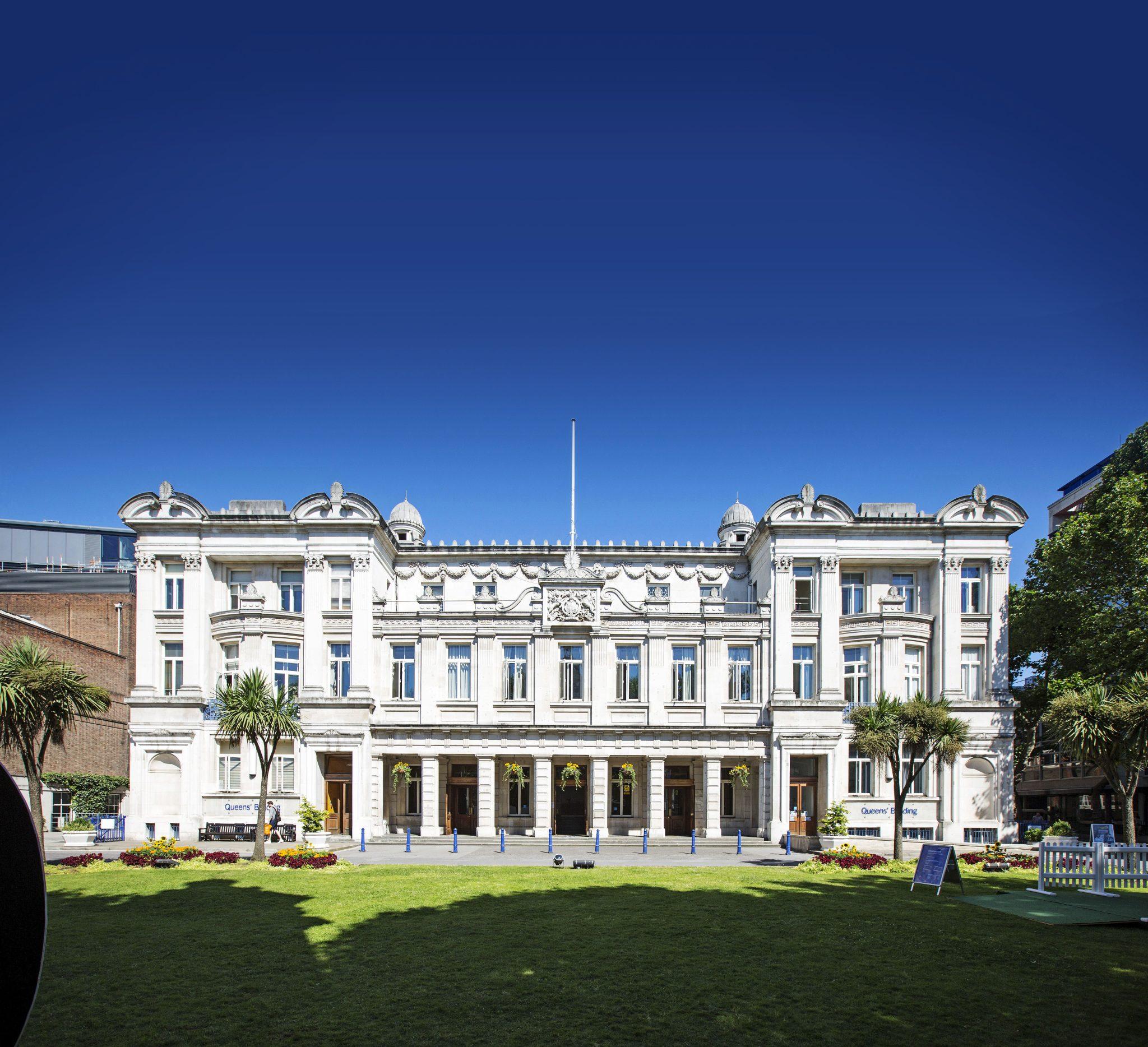
Queen Mary University of London (QMUL) is a consistent performer in the UK's Knowledge Exchange Framework, particularly strong in life sciences, AI, and sustainability. This academic prowess is translating into a wave of spinout companies actively seeking significant investment, underscoring the vibrancy of the UK tech and deep tech startup ecosystem. Data indicates a substantial increase in funding rounds for QMUL spinouts over the past two fiscal years, suggesting a robust pipeline of innovation ready for commercialization. In the fiscal year 2023/24, QMUL spinouts raised approximately £26 million, a notable jump from the £12 million secured in 2022/23. This trend highlights a growing investor appetite for deep tech ventures emerging from academic institutions. The university's commercialisation arm, Innovation & Enterprise, plays a crucial role in nurturing these early-stage companies, guiding them through the complex process of securing funding and scaling their operations. A significant portion of these companies, around 80%, are focused on deep tech sectors, with a substantial percentage operating in AI and life sciences.

Key Spinouts and Their Funding Pursuits

Several QMUL spinouts are currently in the market or have recently closed funding rounds. These companies represent diverse areas of innovation, from advanced materials to novel therapeutics.
A collage showcasing logos of prominent QMUL spinouts seeking investment.
**Innovate UK-backed Plas-X** is reportedly seeking to raise £6 million in a new funding round in 2024. The company, which spun out of QMUL's School of Engineering and Materials Science, is developing advanced materials and has secured significant non-dilutive funding, including a £276k grant from Innovate UK. Their technology focuses on developing novel coatings and materials for various industrial applications. This round aims to accelerate product development and market entry. **IntelligentX**, a company specializing in AI-driven drug discovery, is also making significant moves. While specific funding figures for their current round are undisclosed, the company has a history of securing substantial investment, including a $70 million Series B round in 2023. Their platform aims to revolutionize the pharmaceutical industry by leveraging AI to identify novel drug candidates and optimize clinical trial design. The continued investment in IntelligentX reflects the growing demand for AI solutions in healthcare. **Celsium Therapeutics**, a QMUL spinout focusing on cancer treatments, is another notable player. They have raised £35 million in a Series A funding round led by new investors. The company is developing novel immunotherapies for solid tumors, targeting a significant unmet need in oncology. This funding will support their ongoing clinical trials and further development of their pipeline. **Bactobio**, a synthetic biology company, is seeking £100 million in a new funding round. Founded in 2020, Bactobio has already raised £10 million in seed funding and has a strong focus on developing novel biological solutions for industrial applications. Their technology platform enables the discovery and production of new enzymes and metabolites, with potential applications in pharmaceuticals, agriculture, and materials science. **Oxford Nanopore Technologies**, while not a direct spinout from QMUL, has strong ties to the university's research. The DNA sequencing company, which has a market capitalization in the billions, demonstrates the potential for QMUL-affiliated research to spawn globally significant enterprises. Such successes create a positive feedback loop, attracting talent and further investment into the university's innovation ecosystem.

The Investor Landscape and Market Trends

The increased activity from QMUL spinouts mirrors broader trends in the UK venture capital market. Investors are increasingly looking towards deep tech and science-based ventures, recognizing their potential for high growth and significant societal impact. The UK government's continued support for R&D and innovation, coupled with a growing number of specialized venture capital funds, is creating a fertile ground for these companies. However, the funding environment remains competitive. Spinouts must clearly articulate their value proposition, demonstrate strong IP, and present a clear path to market to attract the necessary capital. The focus is not just on technological innovation but also on the commercial viability and scalability of the proposed solutions. The success of companies like Oxford Nanopore serves as a powerful testament to the potential housed within academic research. For QMUL's current cohort of spinouts, the active fundraising efforts signal a strong belief in their technologies and the market opportunities they address. The coming months will be critical in determining the scale of investment these ventures can secure and their subsequent impact on their respective industries. The question remains: as more deep tech spinouts emerge from leading universities like QMUL, will the venture capital market be able to keep pace with the sheer volume and the increasing capital demands of these complex, long-term ventures?