First Impressions and Build Quality

The QIDI Plus5 arrives as a remarkably polished machine, a significant step forward in the company's product line. Out of the box, the printer exudes a sense of robust engineering. Its substantial build volume is immediately apparent, promising the ability to tackle larger projects without compromise. The enclosure is well-designed, contributing to stable printing temperatures crucial for advanced materials. QIDI has clearly invested in refining the user interface and overall aesthetic, moving beyond the utilitarian nature of many 3D printers to offer a more integrated and professional feel. This attention to detail extends to the included accessories and documentation, which are comprehensive and user-friendly, setting a high bar for initial setup and operation.

Print Performance and Material Handling

Where the QIDI Plus5 truly shines is in its print performance, especially with challenging technical filaments. The printer is engineered to handle materials like Nylon, ABS, and even PC (Polycarbonate) with remarkable success. This is achieved through a combination of a high-temperature hotend, a heated chamber, and a stable, enclosed design. The result is prints with excellent layer adhesion, minimal warping, and impressive dimensional accuracy. The QIDI Plus5's ability to consistently produce high-quality prints with these demanding materials sets it apart from many competitors in its class. This capability opens doors for users needing durable, functional parts for engineering, prototyping, and even end-use applications.
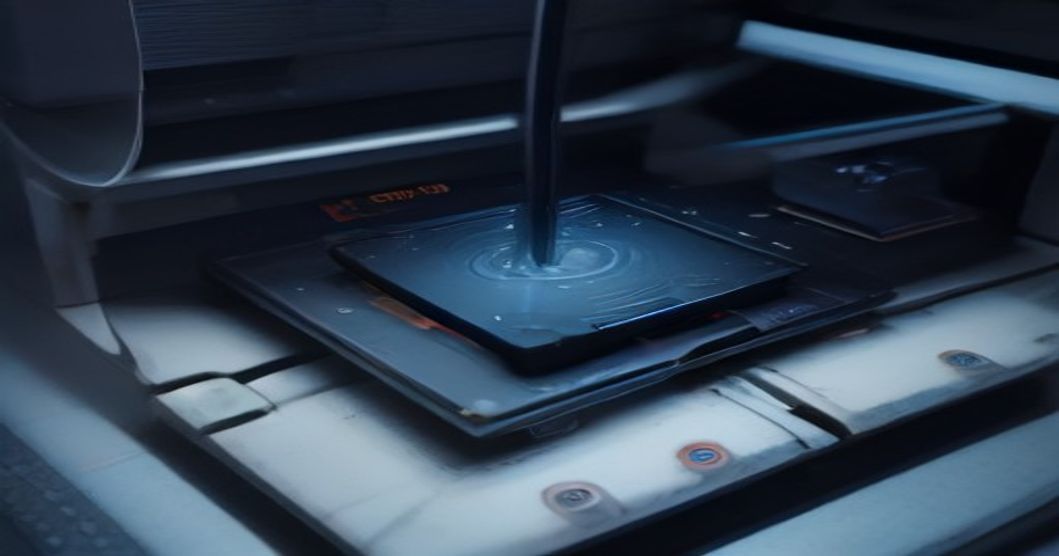
QIDI Plus5 3D printer showcasing a complex, multi-material print

User Experience and Software

QIDI has focused on streamlining the user experience with the Plus5. The intuitive touchscreen interface provides easy access to all printer functions, from preheating and leveling to initiating prints and monitoring progress. The software ecosystem is equally well-considered. The printer comes with QIDI's own slicing software, which is tailored to its capabilities and offers sensible defaults for various materials. For users who prefer more advanced control, compatibility with popular slicers like Cura and PrusaSlicer is also maintained, offering flexibility. Features like automatic bed leveling, filament runout detection, and remote monitoring further enhance the user-friendliness, making the printing process smoother and more reliable. The inclusion of Wi-Fi connectivity adds a layer of convenience, allowing users to manage prints remotely.

Build Volume and Versatility

The generous build volume of the QIDI Plus5 is a significant advantage. It allows for the printing of larger single-piece objects or multiple smaller parts in a single batch, boosting productivity. This versatility is particularly valuable for users who need to create full-scale prototypes, functional end-use parts, or even larger decorative items. The robust construction and stable printing environment ensure that even large prints can be completed successfully, minimizing the risk of failures that plague less capable machines when pushed to their limits. This expanded capacity makes the Plus5 a compelling option for workshops, small businesses, and serious hobbyists who require more from their 3D printing hardware.

Comparison to Predecessors and Competitors

Compared to previous QIDI models, the Plus5 represents a substantial leap in refinement and capability. The enhanced material handling, improved user interface, and overall build quality distinguish it clearly. In the competitive landscape of large-format, high-temperature 3D printers, the Plus5 offers a compelling package. While some competitors might offer specific features or slightly larger build volumes, the Plus5 strikes a strong balance between performance, ease of use, and price. Its ability to consistently deliver excellent results with difficult filaments, combined with its polished user experience, positions it as a top contender for users seeking reliability and versatility in a single machine.

The Unanswered Question: Long-Term Durability of High-Temp Components

While the QIDI Plus5 excels at handling high-temperature filaments, a key question remains for professional users: what is the long-term durability of the hotend and chamber components under sustained high-temperature operation? Many printers struggle with wear and tear when consistently pushed to print materials like PC or Nylon for extended periods. Understanding the lifespan of these critical parts, the availability of replacements, and the potential for maintenance-related downtime will be crucial for businesses integrating the Plus5 into production workflows. QIDI's warranty and support structure for these high-stress components will be a significant factor in its adoption for demanding, continuous use.