The Demise of Thin Content in AI Search
The landscape of search engine optimization is undergoing a seismic shift. By 2026, the era of generating thousands of thin, templated landing pages through simple keyword modifiers is effectively over. AI-powered search engines, including Google’s AI Overviews, Perplexity, and ChatGPT’s integrated search capabilities, are becoming increasingly adept at identifying and filtering out low-value, repetitive programmatic content. This evolution marks a critical turning point, rendering older strategies obsolete and forcing a fundamental reevaluation of how brands approach online visibility.
The core reason for this shift lies in the nature of AI search. Instead of presenting a list of blue links, these engines aim to provide direct answers, often summarizing information from multiple sources. Content that merely rehashes existing keywords or offers superficial information is unlikely to be surfaced, let alone cited, by these advanced systems. This means that the traditional definition of Programmatic SEO (pSEO), which relied heavily on scale and keyword variation, is no longer sufficient for driving high-intent traffic in a world increasingly dominated by zero-click search results.
The Rise of Answer Engine Optimization (AEO)
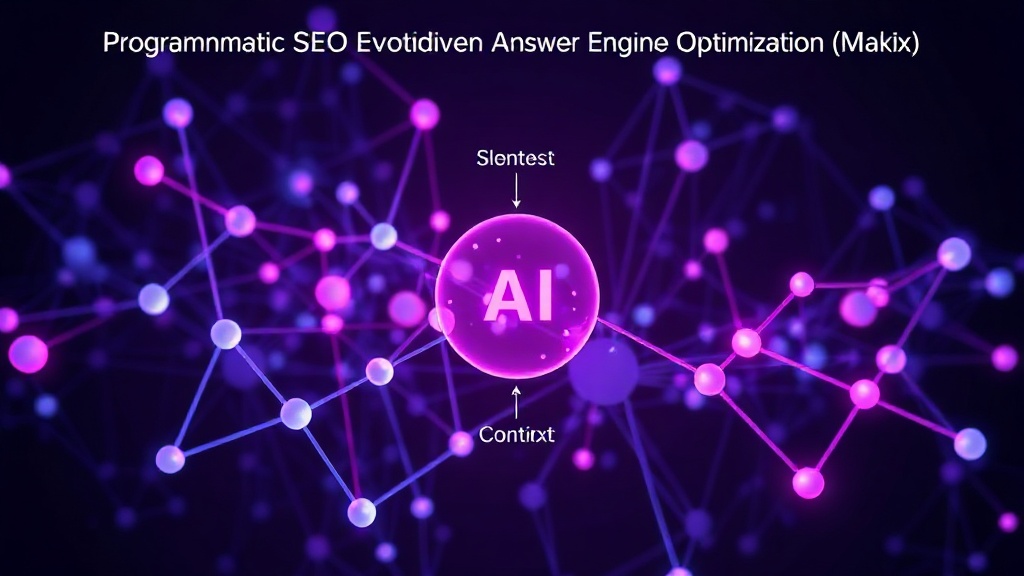
Programmatic SEO is not dead; it has evolved into a more sophisticated discipline: Answer Engine Optimization (AEO). The winning strategy for 2026 and beyond involves building a highly structured matrix of pages. This matrix is designed around two key dimensions: User Roles (Personas) and Markets (ISO/Geographic locations). These pages must be supercharged with proprietary data to stand out and become authoritative sources that AI search engines are compelled to cite.
Think of it less like a mass-produced brochure and more like a curated, hyper-personalized consultation for every potential customer, tailored to their specific industry, location, and job function. The goal is to create content that directly answers the complex, nuanced questions that AI search is designed to address. This requires a deep understanding of user intent, localized context, and the specific pain points associated with distinct roles within different markets.
Building the Role x Market Matrix
The fundamental architecture of this new strategy is the “Role x Market” page matrix. This involves identifying key user personas or roles within your target audience and mapping them against specific geographic markets. For instance, a SaaS company might create pages targeting “VP of Marketing in California,” “Software Engineer in Germany,” or “Small Business Owner in Brazil.”
Each page within this matrix needs to be more than just a keyword-stuffed landing page. It must be enriched with unique, proprietary data that AI search engines cannot easily find elsewhere. This proprietary data can include:
- Localized Compliance Data: For industries with regulatory requirements, providing specific, up-to-date compliance information for each target market is invaluable.
- Persona-Specific Pain Points: Deeply understanding and addressing the unique challenges, goals, and operational hurdles faced by each user role.
- Proprietary Research and Insights: Leveraging internal data, case studies, or unique analytical findings that offer a distinct perspective.
- Industry-Specific Benchmarks: Providing data-driven comparisons and performance metrics relevant to the specific role and market.
The key is to move beyond generic content and provide highly specific, actionable information that demonstrates authority and expertise. This requires significant investment in data collection, analysis, and content creation tailored to each intersection of role and market.
Leveraging JSON-LD for AI Comprehension
To ensure AI search engines can effectively understand and utilize the content within this matrix, robust structured data is paramount. JSON-LD (JavaScript Object Notation for Linked Data) is the standard for embedding semantic information within web pages. By meticulously implementing JSON-LD schema, you provide AI engines with clear, machine-readable context about the content, its entities, and its relationships.
This means going beyond basic schema markup. It involves using advanced schema types and properties that accurately describe the specific entities, events, products, or services being discussed, along with their attributes and relationships. For example, if targeting legal professionals, using schema related to legal services, case law, or regulatory bodies would be crucial. For healthcare professionals, schema related to medical conditions, treatments, or pharmaceutical data would be applicable. The more precisely you can define your content using structured data, the more likely AI search engines are to comprehend its value and cite it as a authoritative source.
The Future of Programmatic SEO
The evolution from traditional pSEO to AEO signifies a move towards quality, specificity, and proprietary value over sheer volume. Brands that embrace this shift will be best positioned to capture high-intent traffic in the AI-driven search landscape of 2026. This involves a strategic investment in understanding user roles, segmenting markets precisely, and enriching content with unique data. By doing so, companies can ensure their pages are not only discoverable but are actively cited and trusted by the AI engines shaping the future of information retrieval.
This approach demands a more integrated strategy between content, data, and technical SEO teams. It requires a commitment to ongoing research and development to maintain a competitive edge. The reward, however, is significant: sustained visibility and authority in an increasingly complex and AI-centric digital world.