PrimeVue v4 Shifts to Security Maintenance
PrimeVue v4, a popular UI component library for Vue.js, has officially transitioned into a security-only maintenance mode. This significant shift means active feature development on the v4 branch has ended. The project maintainers have also made the issue tracker read-only, indicating a strategic move away from introducing new functionalities or addressing general bugs in this version.
For development teams and organizations that have built their applications using PrimeVue v4 under the permissive MIT license, this announcement signals a critical juncture. While the library will continue to receive security patches, the absence of active feature development and comprehensive bug fixing introduces potential long-term risks. This includes challenges in keeping pace with evolving web standards, integrating new functionalities, and resolving emerging issues promptly. Engineering teams will need to carefully assess their reliance on v4 and plan for potential migration strategies or alternative solutions to ensure continued application stability and growth.
The decision by the core maintainers to move PrimeVue v4 to a maintenance lifecycle reflects a common pattern in open-source project evolution. As projects mature, maintainers often reallocate resources to newer versions or different initiatives. However, for a widely adopted component library like PrimeVue, this transition necessitates a clear path forward for its user base.
OpenVue Emerges as a Community-Driven Successor
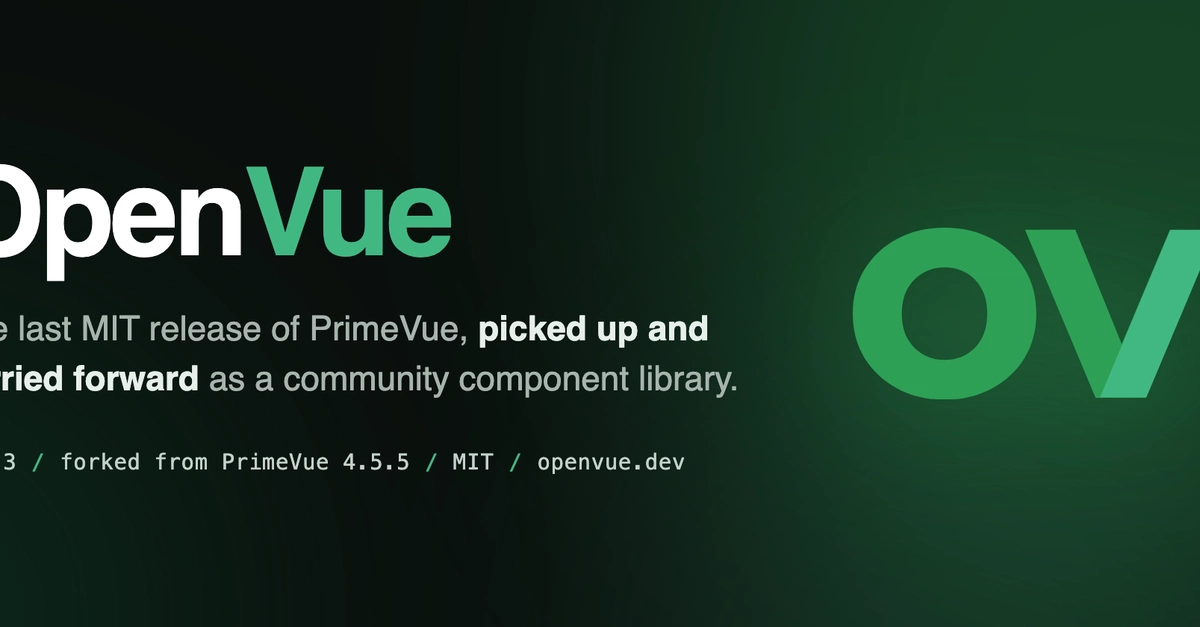
To bridge the gap created by PrimeVue v4's maintenance status, a new project named OpenVue has been launched. OpenVue is positioned as an independent, community-driven continuation of PrimeVue v4. It is based on the final release of PrimeVue v4.5.5, which was the last version released under the original open-source governance model. This initiative aims to provide the ongoing development, feature enhancements, and community support that PrimeVue v4 users will no longer receive from the original maintainers.
The OpenVue project is being managed under the OpenVI.dev umbrella, suggesting a structured approach to its governance and development. By forking the codebase and establishing a new community focus, OpenVue intends to ensure that applications built on PrimeVue v4 can continue to evolve and be maintained effectively. This includes actively addressing bugs, introducing new components or features, and fostering an ecosystem that supports long-term adoption.
The establishment of OpenVue is a direct response to the strategic risks identified for production workloads relying on PrimeVue v4. It offers a viable path for continued innovation and support, allowing developers to leverage their existing investments in PrimeVue v4 components while benefiting from an actively maintained and enhanced library. The success of OpenVue will depend on its ability to attract and retain community contributors, maintain a high standard of code quality, and respond effectively to the needs of its user base.
Implications for Developers and Organizations
The shift in PrimeVue v4's maintenance status presents several key implications for developers and the organizations they work for.
Component Lifecycle and Support
PrimeVue v4 has entered a state where its lifecycle is primarily focused on critical security vulnerabilities. This means that while the software will remain usable and protected against known security threats, it will not receive new features, performance improvements, or general bug fixes. For applications requiring constant updates, new UI elements, or integration with the latest browser technologies, this maintenance mode can become a bottleneck. Developers might find themselves unable to implement modern design patterns or leverage new browser APIs if they are dependent on components that are no longer being actively enhanced.
Strategic Risk Assessment
Organizations running production applications on PrimeVue v4 must now conduct a thorough risk assessment. This involves evaluating the criticality of the application, its future development roadmap, and the dependencies on specific PrimeVue v4 components. If the application requires ongoing iteration, or if new features are planned that might not be compatible with an unmaintained library, a migration strategy becomes essential. The MIT license provides freedom to use, modify, and distribute, but it does not guarantee continued support or development from the original authors. This is where OpenVue's role becomes crucial as it aims to mitigate this risk.
The Role of OpenVue
OpenVue offers a direct continuation path. By forking PrimeVue v4.5.5, it provides a codebase that is familiar to existing users. The commitment to community-driven development suggests a more responsive approach to feature requests and bug reports. Developers can potentially contribute to OpenVue, helping to shape its future direction and ensure it meets their specific needs. This community model can be highly effective, fostering a collaborative environment where the library evolves based on collective demand rather than the priorities of a single core team.
Migration Considerations
For teams that decide a migration is necessary, the path will depend on their specific circumstances. If OpenVue proves to be a robust and actively maintained fork, migrating to OpenVue might be the least disruptive option. This would involve updating dependencies and potentially testing against the new version to ensure backward compatibility. However, if applications are heavily reliant on features or patterns that the original PrimeVue v4 maintainers might have planned but are now unlikely to be implemented, or if the organization is looking to adopt newer technologies, a migration to a completely different UI framework or a newer version of PrimeVue (if available and actively maintained) might be considered. This would naturally involve a more significant development effort, including refactoring components and updating application logic.
The Future of UI Component Libraries
The transition of PrimeVue v4 highlights a broader trend in the open-source software landscape. As projects grow and evolve, their maintenance models often change. For popular libraries, this can create a dependency challenge for the community. The emergence of community-led forks like OpenVue is a testament to the resilience and adaptability of open-source development. It underscores the importance of community engagement and the ability of developers to self-organize and sustain critical software infrastructure.
For developers, staying informed about the maintenance status of the libraries they depend on is paramount. Proactive monitoring and understanding the implications of a library shifting to a maintenance-only mode can prevent significant future disruptions. The OpenVue initiative provides a clear example of how the community can step in to ensure the longevity and continued utility of valuable open-source projects. It offers a proactive solution for those who need more than just security patches, ensuring that the ecosystem around PrimeVue v4 can continue to thrive.