The Analytics Bottleneck in Traditional Databases
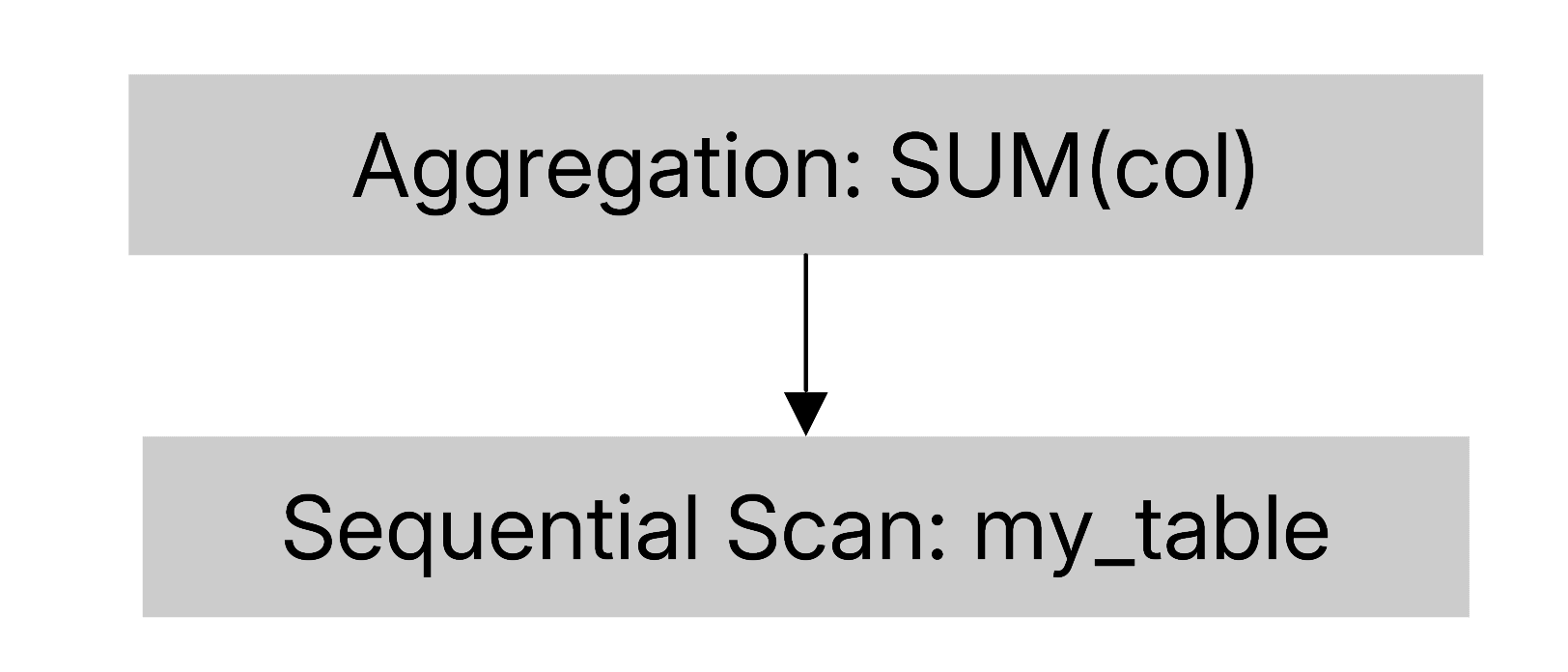
Relational databases like PostgreSQL, while robust for transactional workloads, often struggle with analytical queries. These queries, characterized by large scans, aggregations, and complex joins over vast datasets, expose the inherent limitations of row-oriented storage and single-instruction, single-data (SISD) processing. Traditional query engines process data record by record, leading to significant overhead for each operation. This overhead, compounded by the sheer volume of data in analytics scenarios, results in painfully slow query times. The challenge is to re-architect the query execution engine to handle analytical workloads more efficiently, moving beyond the constraints of traditional OLTP optimizations.
Introducing Query Execution Innovations
To overcome these limitations, significant re-engineering of the query execution engine is necessary. The core strategy involves optimizing how data is processed and how operations are performed. Three key areas of innovation have emerged as critical for achieving dramatic performance gains: batching, operator fusion, and Single Instruction, Multiple Data (SIMD) processing.
Batching: Processing Data in Chunks
The first major optimization is batching. Instead of processing data row by row, the engine now processes data in batches, typically containing hundreds or thousands of rows. This approach dramatically reduces the per-row overhead associated with function calls, memory management, and instruction dispatch. When an operation like a filter or projection needs to be applied, it is applied to an entire batch at once. This is analogous to how a factory might process items on an assembly line in large groups rather than individually. The benefits are twofold: reduced CPU overhead per data point and improved cache utilization, as a batch of data is more likely to fit into CPU caches.
Operator Fusion: Eliminating Intermediate Data
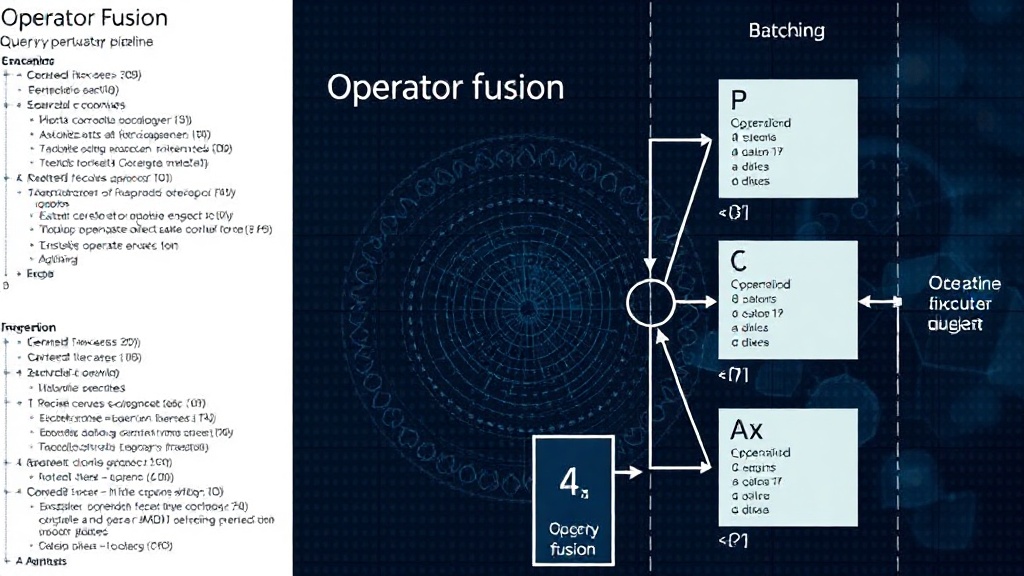
Operator fusion takes batching a step further by eliminating the need to materialize intermediate results between successive operations. In a traditional query plan, each operator (e.g., scan, filter, aggregate) might produce its own intermediate data structure, which is then passed to the next operator. This involves significant memory allocation, copying, and deallocation overhead. Operator fusion merges these intermediate steps. For example, if a query involves filtering rows and then projecting certain columns, operator fusion allows the filter and projection logic to be executed sequentially on the same batch of data in memory, without writing any intermediate results to disk or even to a separate buffer. This is akin to having a single, highly optimized worker on an assembly line who can perform multiple tasks on a single item as it passes, rather than passing it through multiple specialized stations.
SIMD: Parallelism Within a Single Core
The third pillar of optimization is the adoption of SIMD instructions. Modern CPUs are equipped with special instructions that allow a single operation to be performed on multiple data elements simultaneously. For instance, a SIMD instruction can add eight pairs of integers in a single clock cycle, whereas a traditional SISD instruction would handle only one pair. By leveraging SIMD, operations like arithmetic, comparisons, and bitwise logic can be executed orders of magnitude faster on batches of data. This is where the most significant speedups for analytical computations are realized. Imagine an assembly line worker who, instead of handling one tool at a time, has a multi-tool that can perform eight distinct but similar actions simultaneously on different parts of the item.
The Synergistic Effect
The real power of these techniques lies in their synergy. Batching provides the contiguous blocks of data that SIMD instructions can operate on efficiently. Operator fusion ensures that these operations can be chained together seamlessly, minimizing data movement and maximizing instruction-level parallelism. This combination allows the query engine to process analytical workloads at speeds previously unimaginable for a traditional relational database.
Impact on Analytics Workloads
The result of these optimizations is a dramatic improvement in query performance for analytical tasks. Workloads that previously took minutes or hours can now complete in seconds or milliseconds. This transformation makes PostgreSQL a viable, high-performance option for data warehousing, business intelligence, and complex data analysis, directly competing with specialized analytical databases. The ability to ingest and query massive datasets with unprecedented speed opens up new possibilities for real-time analytics and data-driven decision-making directly within the familiar Postgres ecosystem.
Looking Ahead: Broader Implications
The success of these techniques in PostgreSQL suggests a broader trend in database design: the convergence of transactional and analytical processing capabilities. As data volumes continue to grow and the demand for real-time insights intensifies, traditional database architectures will need to evolve. The principles of batching, operator fusion, and SIMD are not exclusive to PostgreSQL; they represent fundamental improvements in query execution that could be adopted by other database systems. This evolution promises to democratize high-performance analytics, making powerful data processing capabilities accessible without requiring organizations to maintain separate, complex analytical infrastructure.
What remains to be seen is how these performance gains will impact the broader ecosystem of tools and applications that interact with PostgreSQL. Will ORMs and query builders adapt to take advantage of these new execution capabilities, or will developers need to write raw SQL to fully harness the speed? The transition to a faster analytical Postgres may also necessitate new approaches to data modeling and indexing for optimal performance, moving beyond traditional OLTP best practices.