The Hidden Cost of AI Scale
Startups building AI-powered applications are rapidly discovering a significant bottleneck: the escalating cost of specialized vector databases. As user bases grow and the complexity of AI models increases, the price tags associated with dedicated vector stores can balloon unexpectedly. These services typically charge based on storage volume and query throughput, leading to budget overruns and performance degradation precisely when a company needs stability. Many founders, focused on core product development, overlook a powerful, integrated solution already within their technology stack: pgvector.
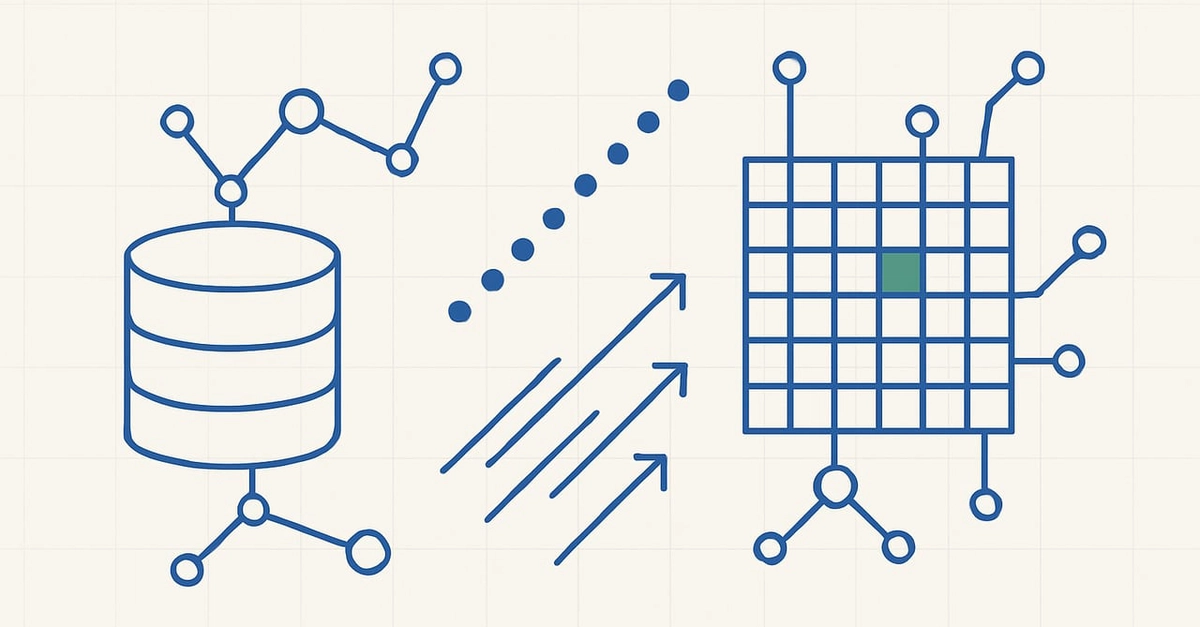
pgvector is an open-source extension for PostgreSQL that introduces vector similarity search capabilities directly into the world's most popular relational database. Instead of managing a separate, often expensive, dedicated vector database, companies can leverage their existing PostgreSQL infrastructure. This approach can lead to substantial cost reductions, potentially cutting vector storage expenses by 50% or more, according to recent analyses.

Leveraging PostgreSQL's Strengths
The performance argument against integrating vector search into PostgreSQL often centers on indexing. However, pgvector is designed to work seamlessly with PostgreSQL's robust indexing mechanisms. It supports various index types, including Inverted File (IVF) and Hierarchical Navigable Small Worlds (HNSW), which are crucial for efficient nearest neighbor searches in high-dimensional vector spaces. When configured correctly, these indexes can rival, and in some scenarios surpass, the performance of dedicated vector stores, especially when vector data is co-located with relational data.
Consider a scenario where an AI application needs to retrieve not only similar product recommendations (vector search) but also detailed product information, user reviews, and inventory levels (relational data). With a dedicated vector store, this would necessitate querying two separate systems, leading to increased latency and complexity in application logic. pgvector allows developers to perform these hybrid queries within a single database. This unification simplifies data management, reduces network overhead, and streamlines the entire data retrieval pipeline.
The operational simplicity is perhaps the most compelling advantage. Managing a single database system instead of two distinct ones significantly reduces the overhead for engineering teams. There's no need to provision, monitor, and maintain separate infrastructure for vector storage. Patching, backups, and scaling become unified processes. For startups with lean engineering teams, this consolidation of resources is invaluable, allowing them to focus on building core features and driving business growth rather than managing complex database architectures.
When pgvector Shines
The sweet spot for pgvector lies in applications where vector data is intrinsically linked to structured, relational data. This includes recommendation engines that need to match user profiles (relational) with item embeddings (vector), semantic search systems that require filtering by metadata (relational) before performing vector similarity, or AI-powered customer support tools that need to find relevant articles based on query embeddings while also accessing customer history (relational).
Furthermore, the cost-effectiveness of pgvector is particularly attractive for scaling. While dedicated vector stores often impose premium pricing for higher tiers of performance and storage, PostgreSQL's mature scaling capabilities, coupled with pgvector, offer a more predictable and often lower cost path. Companies can scale their PostgreSQL instances using standard techniques like read replicas, sharding, and optimized hardware, all while benefiting from the integrated vector search functionality. This makes pgvector a powerful choice for companies that anticipate rapid growth but need to maintain strict control over their infrastructure costs.
The surprising detail here is not that PostgreSQL can handle vectors—many extensions exist. The surprise is how effectively pgvector leverages PostgreSQL's existing, battle-tested architecture to deliver performance and scalability that can directly compete with, and in many cases outperform, purpose-built solutions on both cost and operational complexity. It transforms a relational database into a capable multimodal data store.
The Path Forward
As AI adoption continues to accelerate, the demand for efficient and cost-effective vector storage and search will only grow. While dedicated vector databases will undoubtedly retain their place for highly specialized, massive-scale use cases, pgvector presents a formidable and often overlooked alternative for a vast number of applications. By embracing pgvector, startups and established companies alike can unlock significant savings and operational efficiencies, allowing them to scale their AI initiatives without being hampered by database infrastructure costs.