Local AI Agent for Multistep Tasks Arrives on Windows
Perplexity and Nvidia have launched Portable Computer, a new AI agent designed to run locally on Windows PCs. This initiative brings the power of sophisticated AI processing directly to the user's hardware, bypassing the need for constant cloud connectivity for certain tasks. The application was released on September 14th, marking a significant step towards more decentralized AI deployment.
Portable Computer is engineered to handle multistep AI tasks, a capability that traditionally demands substantial computational resources. By enabling this functionality locally, Perplexity aims to offer users greater privacy, reduced latency, and more consistent performance, especially in scenarios where internet connectivity might be unreliable or costly. The agent is built with a "local-first" approach, meaning it prioritizes on-device processing before considering cloud resources, though its current iteration is heavily dependent on specific hardware configurations.
Hardware Requirements: A High Bar for Entry
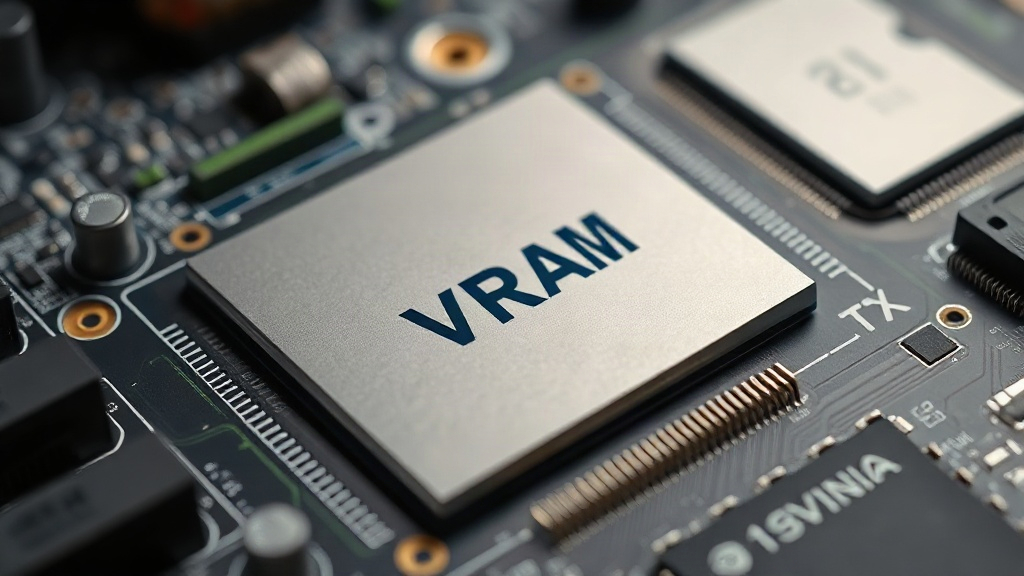
The primary hurdle for widespread adoption of Portable Computer is its stringent hardware requirement. The agent is exclusively compatible with Nvidia GeForce RTX and RTX PRO GPUs that feature a minimum of 24GB of VRAM. This specification immediately limits its availability to a relatively small segment of the PC market, primarily high-end gaming rigs and professional workstations. For context, 24GB of VRAM is typically found in top-tier GPUs like the Nvidia RTX 4090, RTX 3090, or professional Quadro/RTX A-series cards. Standard consumer laptops and desktops, even those with dedicated graphics cards, often fall well below this threshold.
This high VRAM requirement stems from the nature of running large language models (LLMs) and other AI computations locally. These models, particularly those capable of complex reasoning and multistep task execution, require significant memory to load their parameters and intermediate states. The 24GB VRAM threshold suggests that Portable Computer is designed to run relatively large and capable AI models directly on the GPU, which is crucial for achieving competitive processing speeds. Without sufficient VRAM, the AI model would either fail to load or would need to offload parts of its computation to system RAM, drastically slowing down performance and negating the benefits of local processing.
The Significance of Local AI Processing
The move towards local AI processing, exemplified by Perplexity's Portable Computer, is a growing trend driven by several factors. Firstly, privacy concerns are paramount. When AI tasks are performed locally, sensitive data does not need to be transmitted to external servers, reducing the risk of data breaches and unauthorized access. This is particularly important for individuals and businesses handling confidential information.
Secondly, latency is a critical differentiator. Cloud-based AI services, while powerful, are subject to network delays. For applications requiring real-time or near-real-time responses, such as interactive coding assistants or dynamic content generation, local processing can offer a significantly smoother user experience. Portable Computer's ability to handle multistep tasks locally suggests it aims to provide such responsive interactions.
Thirdly, cost and accessibility play a role. While the initial hardware investment for high-VRAM GPUs is substantial, running AI tasks locally can eliminate ongoing subscription fees or per-query costs associated with cloud AI services. Furthermore, it ensures AI capabilities remain accessible even in areas with poor or expensive internet connectivity. This makes local AI a compelling proposition for users seeking reliable, independent access to AI tools.
Multistep Tasks: A Glimpse into Future AI Workflows
The focus on "multistep tasks" is perhaps the most forward-looking aspect of Portable Computer. Current AI assistants often excel at single, well-defined queries. However, complex real-world problems frequently require a sequence of logical operations, information gathering, and refinement. For instance, planning a trip might involve researching destinations, checking flight availability, booking accommodation, and creating an itinerary – each step potentially requiring different AI capabilities or data sources.
Portable Computer's design suggests it can chain these operations together, maintaining context and state across multiple stages. This capability moves AI assistants from simple Q&A bots to more proactive and capable agents that can assist in complex workflows. Developers who can leverage this functionality could build applications that automate intricate processes, from software development pipelines to sophisticated data analysis and report generation, all executed on their local machine.
The Road Ahead and Broader Implications
While Portable Computer is a significant announcement, its limited hardware compatibility means it will likely remain a niche tool for the foreseeable future. However, it signals a clear direction for AI development: increasing on-device capabilities. As AI models become more efficient and hardware, particularly GPU VRAM, continues to increase in capacity and decrease in cost, local AI processing will likely become more accessible.
This trend has profound implications. It could democratize access to powerful AI tools, reduce reliance on large tech companies that control cloud AI infrastructure, and foster innovation in decentralized AI applications. For developers, it opens up new avenues for creating AI-powered software that is more private, responsive, and cost-effective. For end-users, it promises a future where powerful AI assistants are an integrated, always-available part of their computing experience, rather than a service accessed remotely.
The collaboration between Perplexity and Nvidia highlights the symbiotic relationship between AI software innovation and underlying hardware advancements. As software demands more from hardware, hardware manufacturers like Nvidia are incentivized to push the boundaries of what's possible, creating a virtuous cycle that accelerates the pace of AI adoption and capability.