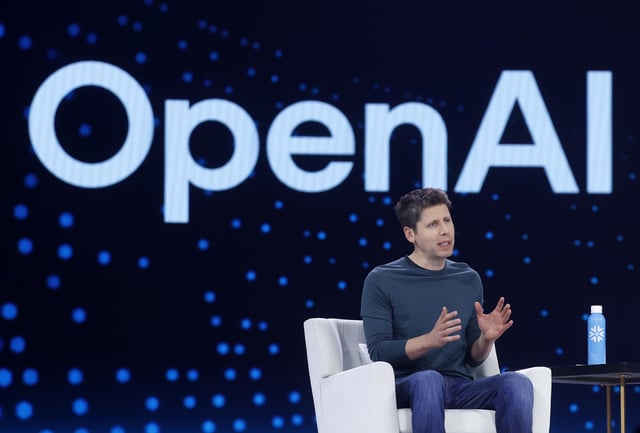
Publishers Launch Broad Copyright Lawsuit Against OpenAI and Microsoft
A significant legal challenge has emerged against AI giants OpenAI and Microsoft, with over 20 prominent publishers filing a lawsuit accusing the companies of systematically infringing on copyrighted material. The core of the allegation centers on the use of vast amounts of published content—including news articles, opinion pieces, and other journalistic works—to train large language models (LLMs) like ChatGPT, without proper authorization or compensation.
The lawsuit, filed in the Southern District of New York, represents a united front from a diverse group of media entities, signaling a critical juncture in the ongoing debate surrounding AI development and intellectual property rights. This legal action follows a pattern of similar lawsuits filed by authors and artists, but the scale of publisher involvement underscores the profound impact generative AI is having on the media industry.
Allegations of Mass Copyright Infringement
At the heart of the publishers' complaint is the claim that OpenAI and Microsoft scraped and ingested millions of articles from their publications to build and refine AI models. This content, the publishers argue, forms the bedrock of the AI's ability to generate human-like text, answer questions, and summarize information. However, this process allegedly occurred without licenses, permission, or any form of remuneration to the copyright holders.
The lawsuit contends that this unauthorized use constitutes a massive copyright infringement. Publishers assert that their content is being used to create products that directly compete with their own offerings, potentially undermining their business models and devaluing their journalistic work. The complaint highlights that the AI models can generate content that mimics the style and substance of the original works, effectively replicating the value that publishers have invested in creating.
Microsoft's involvement is central to the case due to its significant financial and technical partnership with OpenAI. The lawsuit specifically points to Microsoft's role in providing the infrastructure and resources necessary for OpenAI to develop and scale its AI models, including the construction of a massive supercomputer. This infrastructure, the publishers allege, was instrumental in enabling the alleged copyright infringement on an industrial scale.
The Role of the SCOTUS Ruling
The timing and framing of the lawsuit appear to be influenced by recent legal developments, notably the Supreme Court's ruling against Sony in a separate copyright case. While the specifics of the Sony ruling are still being analyzed for their full implications across various industries, it has emboldened copyright holders to pursue legal avenues more aggressively. The publishers' legal team is likely leveraging the precedent set by such rulings to strengthen their arguments against OpenAI and Microsoft.
This legal battle is not just about past infringements but also about the future of content creation and distribution in the age of AI. Publishers are seeking to establish clear boundaries and compensation mechanisms for the use of their intellectual property. They argue that without such protections, the incentive to produce high-quality, original journalism will diminish, ultimately harming public discourse and the information ecosystem.
Demands and Potential Ramifications
The publishers are seeking substantial damages, injunctive relief to prevent further unauthorized use of their content, and potentially the deletion of copyrighted material from OpenAI's training datasets. The outcome of this lawsuit could have far-reaching consequences for the entire AI industry, setting precedents for how AI models can be trained and how copyright law applies to generative AI technologies.
The lawsuit also brings to the forefront the complex relationship between AI developers and content creators. While AI can be a powerful tool for innovation and productivity, its reliance on existing data, much of which is copyrighted, creates a contentious legal and ethical landscape. The publishers' action forces a confrontation with these issues, demanding accountability from companies that have built powerful AI systems on the back of their creative and journalistic endeavors.
If the publishers succeed, it could lead to significant changes in how AI companies acquire training data, potentially involving licensing agreements, data partnerships, or the development of AI models trained exclusively on public domain or explicitly licensed content. Conversely, a ruling in favor of OpenAI and Microsoft could further solidify the broad interpretation of fair use in the context of AI training, impacting how copyright is applied in the digital age.
The scale of this lawsuit suggests that the industry is at a critical turning point. The publishers are not just seeking financial compensation; they are fighting for the fundamental right to control and benefit from their intellectual property in a rapidly evolving technological landscape. The legal proceedings are expected to be lengthy and complex, with significant implications for the future of both journalism and artificial intelligence.