Rethinking Database Access with Zero Trust
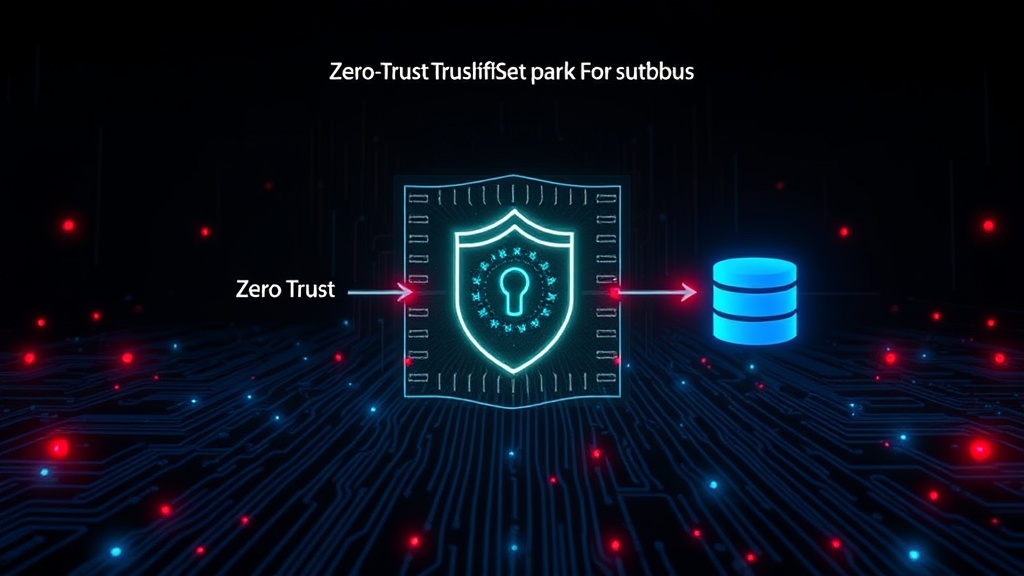
Oracle Cloud Infrastructure (OCI) is fundamentally rethinking how database access is managed by adopting a Zero Trust security model. This approach moves away from the long-held belief that anything inside the network perimeter can be implicitly trusted. Instead, Zero Trust operates on the principle of "never trust, always verify." For databases, this means that every access request, regardless of origin, must be rigorously authenticated and authorized before access is granted. This is a significant shift from traditional security models that relied heavily on network segmentation and assumed internal users and systems were inherently safe.
The traditional approach to database security often involved a strong perimeter defense. Once inside the network, users or applications might have had relatively broad access to sensitive data. However, with the increasing sophistication of cyber threats and the distributed nature of modern applications, this model is no longer sufficient. A single compromised credential or insider threat can bypass perimeter defenses and gain access to critical data. Zero Trust addresses this by enforcing granular access controls and continuous verification.
Core Principles of Zero Trust in OCI Databases
The implementation of Zero Trust in OCI databases hinges on several core principles:
- Identity Verification: Every user and application attempting to access a database must be strongly authenticated. This goes beyond simple passwords to include multi-factor authentication (MFA) and context-aware policies based on user behavior, device posture, and location.
- Least Privilege Access: Users and applications are granted only the minimum permissions necessary to perform their specific tasks. This principle drastically limits the potential damage if an account is compromised. Access is granted on a need-to-know, need-to-do basis.
- Micro-segmentation: While not strictly a database-level concept, the network around databases is micro-segmented. This ensures that even if one part of the network is compromised, the database remains isolated and protected from lateral movement.
- Continuous Monitoring and Validation: Access is not a one-time grant. OCI continuously monitors access patterns and re-evaluates trust throughout a session. Any suspicious activity can trigger re-authentication or revocation of access.
- Data Encryption: Data at rest and in transit is encrypted using strong algorithms. This is a foundational element that ensures data confidentiality even if unauthorized access is achieved.
Think of it less like a castle with a moat, where once you're inside the walls, you're relatively free to roam. Instead, imagine a high-security government building where every door requires a specific badge swipe, and your access is logged and reviewed constantly. Even the CEO can't get into the R&D lab without explicit, verified authorization for that specific visit.
Why Now? The Evolving Threat Landscape
The shift to Zero Trust for databases is driven by several factors in the current technology landscape:
- Increasingly Sophisticated Attacks: Attackers are adept at bypassing traditional perimeter defenses through phishing, social engineering, and exploiting vulnerabilities.
- Hybrid and Multi-Cloud Environments: Many organizations operate across on-premises data centers and multiple cloud providers. This distributed architecture makes a single, strong perimeter difficult to maintain.
- Insider Threats: Malicious insiders or compromised internal accounts pose a significant risk that perimeter security cannot mitigate.
- Regulatory Compliance: Stricter data privacy regulations (like GDPR and CCPA) require organizations to demonstrate robust control over sensitive data, which Zero Trust principles help achieve.
- Remote Workforces: The widespread adoption of remote work means users are accessing resources from outside the traditional corporate network, blurring the lines of trust.
OCI's commitment to Zero Trust for its database services signifies a proactive approach to data security. By embedding these principles into the fabric of their cloud infrastructure, they aim to provide a more resilient and secure environment for their customers' critical data assets.
Implications for OCI Users
For organizations running their databases on OCI, this evolution means several things:
- Enhanced Security Posture: Customers benefit from a security model designed for the modern threat landscape, reducing the attack surface and the impact of potential breaches.
- Granular Control: Administrators gain finer-grained control over who can access what data and when, simplifying compliance and auditing.
- Simplified Management (Potentially): While the underlying principles are complex, a well-implemented Zero Trust model can eventually lead to more streamlined and automated access management compared to managing disparate security tools.
The journey to full Zero Trust is ongoing and complex, involving not just technological changes but also shifts in operational processes and security culture. However, OCI's clear direction towards this model for its database services is a strong signal to its user base about the future of cloud data security.