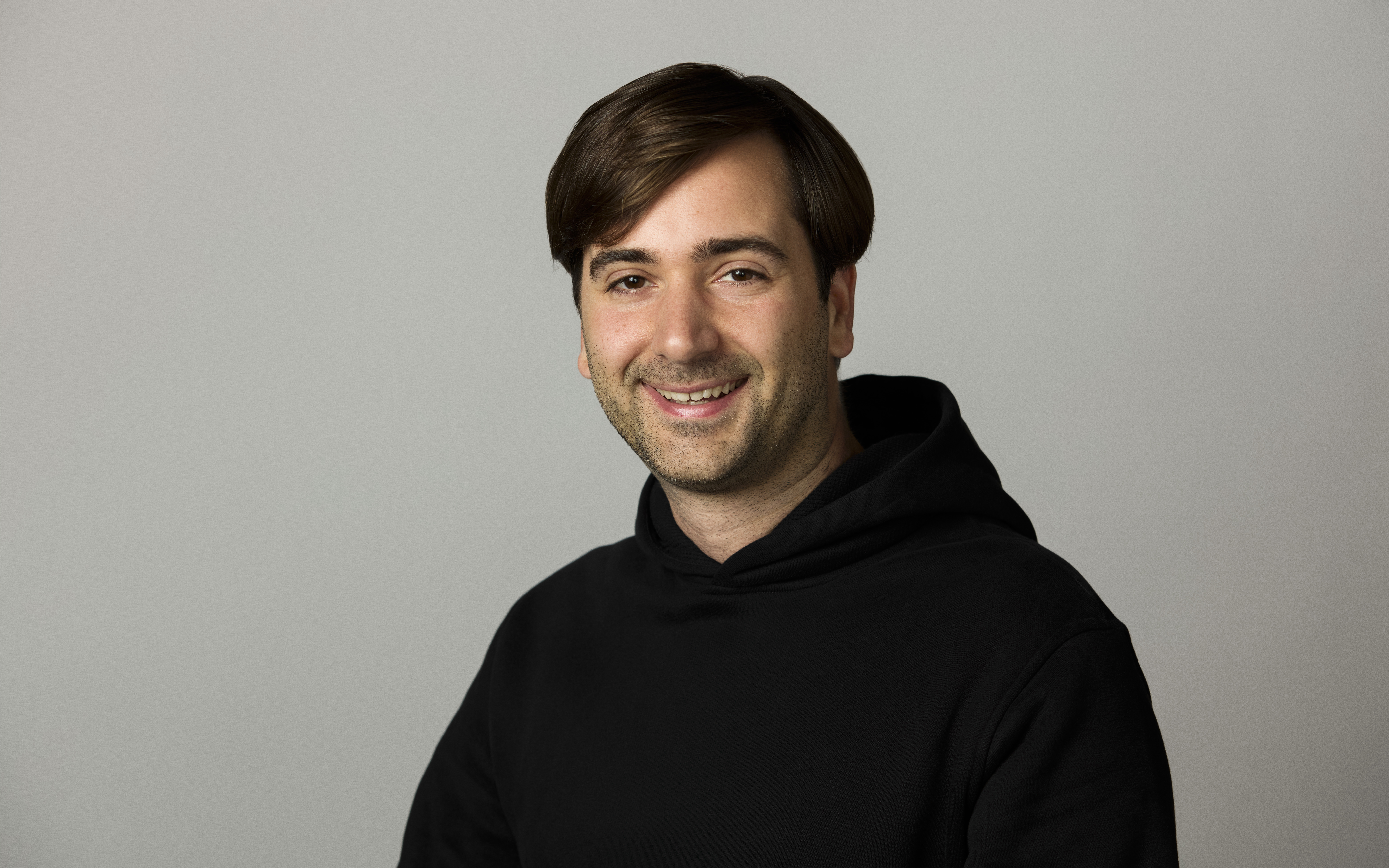
OpenAI's head of product, Thibault Sottiaux, recently sat down with TechCrunch to offer a glimpse into the company's product strategy, shedding light on the development of AI agents, the crucial role of user experience (UX), and his direct reporting line to co-founder Greg Brockman. Sottiaux's perspective reveals a company focused not just on pushing the boundaries of AI capabilities, but on making those capabilities accessible and useful to the average person.

The Dawn of AI Agents

Sottiaux emphasized that OpenAI's work on AI agents is a core part of their product roadmap. These agents are envisioned as more than just chatbots; they are designed to understand user intent and take actions on their behalf across various digital platforms. This goes beyond simple text generation to encompass complex task completion, such as booking flights, managing calendars, or even performing research. The goal is to move from a reactive AI assistant to a proactive partner that can anticipate needs and execute tasks autonomously.
Conceptual illustration of an AI agent interacting with multiple digital applications
"We're building agents that can do things for you," Sottiaux stated, highlighting a shift towards AI that actively participates in users' digital lives. The development is iterative, with OpenAI focusing on safety and reliability as paramount. The underlying principle is to empower users by offloading mundane or complex digital tasks, freeing up their time and cognitive load. This vision positions AI agents as the next major evolution in human-computer interaction, akin to the leap from command-line interfaces to graphical user interfaces.

UX: The Bridge to Mass Adoption

For AI to move from a niche technology to a ubiquitous tool, Sottiaux stressed the critical importance of user experience. The raw power of models like GPT-4 is immense, but its true value is unlocked when users can interact with it intuitively and effectively. This means designing interfaces that are not only easy to use but also transparent about the AI's capabilities and limitations. Sottiaux mentioned the ongoing work to improve the discoverability of features and to make the interaction more natural, moving closer to how humans communicate with each other. He elaborated on the challenges of UX design in the context of AI, particularly with agents. How does a user grant permission for an agent to perform an action? How is trust established? How are errors handled gracefully? These are not just technical problems but fundamental design questions that OpenAI is actively exploring. The aim is to create a seamless experience where users feel in control and confident in the AI's actions. This focus on UX is what Sottiaux believes will bridge the gap between cutting-edge AI research and everyday practical application.

Reporting to Greg Brockman and the Product Vision

Sottiaux's direct reporting relationship to Greg Brockman, OpenAI's co-founder and president, underscores the strategic importance of product development within the organization. This structure suggests a tight integration between the company's foundational research and its productization efforts. Brockman, known for his deep technical expertise and operational leadership, provides a guiding hand that ensures product development aligns with OpenAI's overarching mission to ensure artificial general intelligence benefits all of humanity. Sottiaux described the process as one where product teams work closely with research divisions to identify promising AI capabilities and then translate them into user-facing products. This involves a constant feedback loop, where user interactions and market needs inform future research directions. The product team acts as the crucial intermediary, translating complex AI into tangible tools that can be adopted by millions. "The world seems to be ready," Sottiaux remarked, indicating a strong belief that the market is receptive to more advanced AI tools and agents.

The Road Ahead: Safety, Scalability, and Impact

The conversation also touched upon the broader implications of AI development. Sottiaux acknowledged the significant responsibility that comes with building powerful AI systems. Safety, bias mitigation, and ethical deployment are not afterthoughts but integral to the product development lifecycle. As AI agents become more capable and autonomous, robust safety protocols and transparent reporting mechanisms become even more critical. OpenAI's product strategy, as outlined by Sottiaux, is a multi-faceted approach that balances ambitious innovation with a grounded focus on user needs and safety. The development of AI agents represents a significant step towards a future where AI is an indispensable, intuitive, and beneficial part of daily life. The emphasis on UX and the close alignment with research leadership under Greg Brockman suggest that OpenAI is strategically positioning itself to lead this transformation, making advanced AI accessible and actionable for a global audience.