The Setup: When Everything Seems Perfect
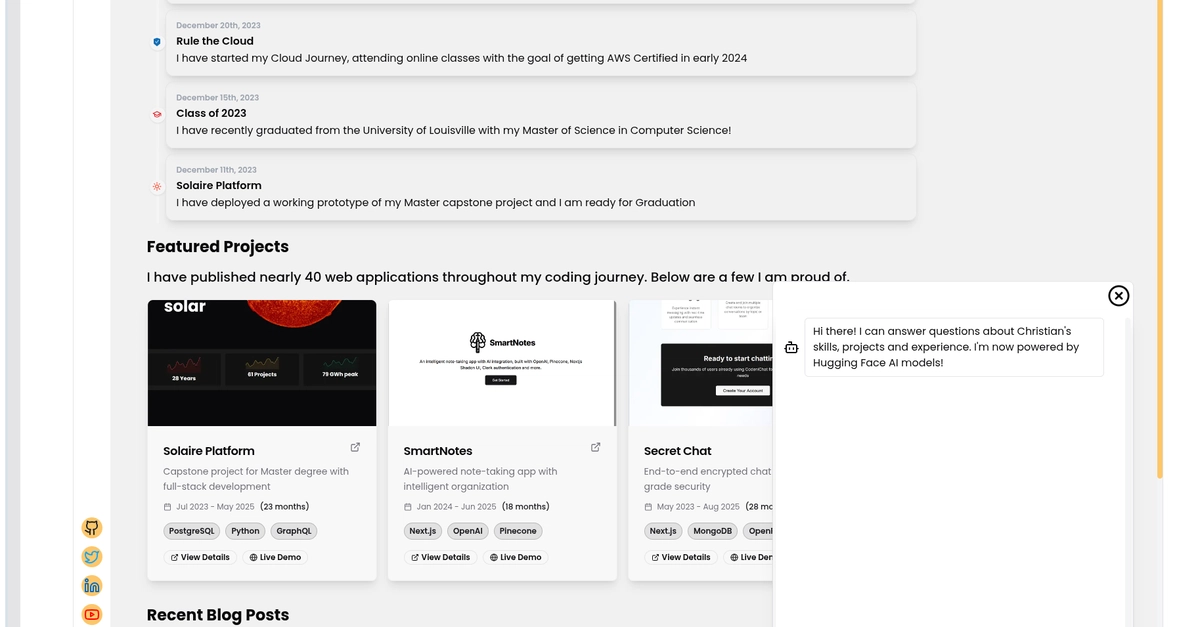
The developer behind the SmartNotes project, writing on August 18th, 2025, felt a surge of accomplishment. Following the successful integration of a ChatGPT-based chatbot into their personal portfolio, the project appeared complete. Users could interact with the bot, asking questions about the developer's skills and projects. The key to this functionality was the creation of content embeddings, which made the chatbot contextually aware and intelligent. This success, however, was short-lived, as the project was soon earmarked for the "Unfinished Projects" series.
The Crisis: When OpenAI Goes Silent
The first sign of trouble was a stark error message: "OpenAI API account suspended." Initially, the developer suspected a common issue like an exposed API key or exceeding rate limits. A thorough check of environment variables and account status confirmed these were not the culprits. The problem ran deeper, leading to the abrupt cessation of the SmartNotes chatbot's functionality. The suspension meant the project, which was intended to showcase AI integration capabilities, was effectively dead in the water. This unexpected halt forced the developer to confront the fragility of relying on external APIs for core project features, especially when those APIs are managed by third-party services with their own terms of service and operational policies.
Reassessing Project Viability
The suspension of the OpenAI API account presented a critical juncture for the SmartNotes project. The developer had invested significant effort into creating content embeddings and fine-tuning the chatbot's responses to showcase their AI and Natural Language Processing (NLP) skills. With the API service no longer available, the chatbot component, a central piece of the portfolio project, became non-functional. This situation highlights a common pitfall in software development: building critical functionality on top of services that can change or become unavailable without notice. The developer's decision to reclassify the project as "unfinished" underscores the importance of contingency planning and potentially building more resilient, self-contained solutions, or at least having robust fallback mechanisms in place.
Lessons from a Suspended API
The experience with the SmartNotes project offers several key takeaways. Firstly, it emphasizes the need for developers to understand and adhere strictly to the terms of service of any third-party API they utilize. Unintended violations, even if accidental, can lead to account suspension. Secondly, it highlights the risk associated with making a project entirely dependent on a single external service. Diversifying technology stacks or building internal equivalents can mitigate such risks. For developers showcasing AI capabilities, this might mean exploring open-source models that can be self-hosted or using multiple API providers to ensure redundancy. The incident serves as a potent reminder that even seemingly complete projects can unravel quickly when external dependencies fail.
The Path Forward: Demolishing and Rebuilding
As part of the "Demolishing My Stack of Unfinished Projects" series, the SmartNotes project’s suspension marks a turning point. Instead of abandoning the project entirely, the developer is now tasked with either finding an alternative API provider, rebuilding the AI functionality using different technologies, or fundamentally redesigning the project to reduce its reliance on external AI services. This demolition phase is not about destruction but about critical evaluation and strategic redirection. It involves dissecting what worked, what failed, and what lessons can be applied to future endeavors. The goal is to transform these unfinished or failed projects into learning opportunities, ultimately strengthening the developer's skillset and portfolio. The next steps will likely involve researching alternative AI APIs, exploring local model deployments, or pivoting the project's focus to areas less susceptible to third-party service disruptions.
This situation also raises an important question: what happens to the developer's reputation and the perceived value of their portfolio when a showcased project becomes non-functional due to external factors beyond their immediate control? While the developer is transparently documenting the process, potential employers or collaborators might view such a project with skepticism. The ability to adapt and overcome such technical hurdles will be crucial in demonstrating resilience and problem-solving skills.