OpenAI's Strategic Equity Proposal
OpenAI CEO Sam Altman has reportedly put forth a proposal to donate 5% of the company's equity to a U.S. sovereign wealth fund. This move, if realized, would represent a significant shift in how the profits generated by advanced artificial intelligence are distributed, aiming to align the financial gains with broader public interests. The proposal revives long-standing discussions about ensuring that the immense economic potential of AI benefits society at large, rather than solely concentrating wealth among a few.
The specifics of the proposed sovereign wealth fund remain under discussion, but the intent is clear: to create a mechanism for public participation in the financial success of one of the world's leading AI research and deployment organizations. This could involve a fund managed by the U.S. government, tasked with investing these assets for the public good, potentially funding research, education, or other societal initiatives. The move signals a proactive approach by OpenAI to address concerns about the societal impact and economic distribution of AI-driven wealth.

Political Engagements and Motivations
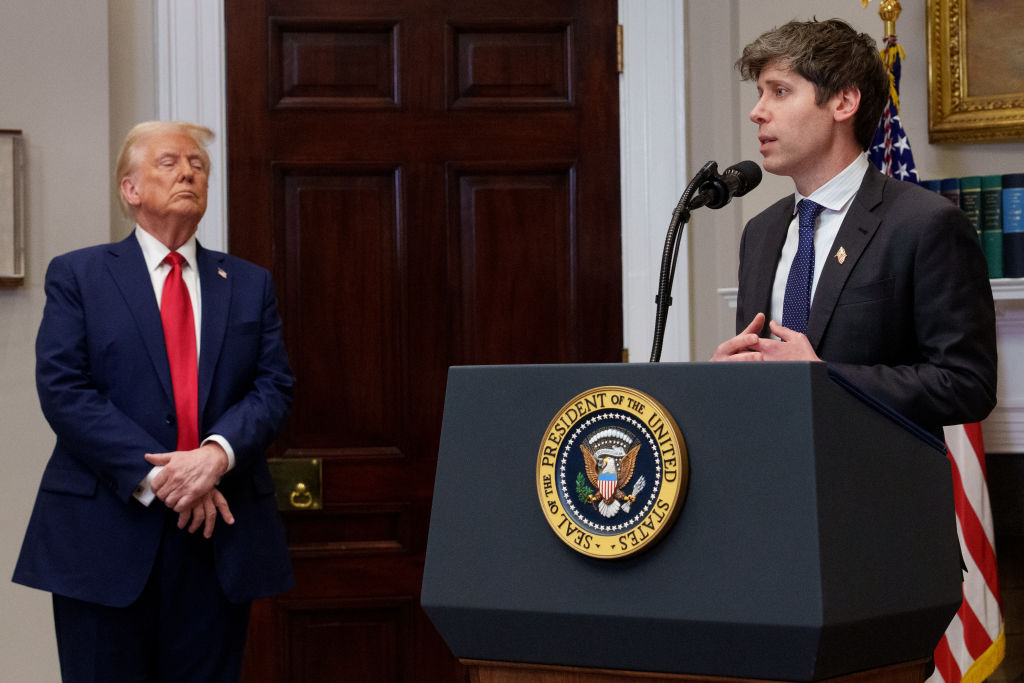
Sources indicate that Altman is actively engaged in discussions with the Trump administration regarding this proposal. The timing and nature of these conversations suggest a strategic effort to preemptively address potential regulatory scrutiny and public apprehension surrounding the rapid development and commercialization of AI. By offering a tangible stake to the U.S. government, OpenAI appears to be seeking to build goodwill and establish a framework for public benefit sharing, potentially in exchange for a more favorable regulatory environment or to mitigate future antitrust concerns.
The offer of 5% equity is notably lower than targets previously suggested by some policymakers, such as Senator Bernie Sanders, who has advocated for more substantial public benefit from AI. This suggests a negotiation is underway, with OpenAI aiming for a compromise that acknowledges public interest without relinquishing a controlling share of its ownership. The involvement of the Trump administration further highlights the geopolitical and economic implications of AI development, positioning the U.S. government as a key stakeholder in the future of the technology.
Broader Implications for AI Economics
This proposal, if enacted, could set a precedent for other leading AI companies. The concept of a sovereign wealth fund receiving equity from a dominant technology firm is novel and could reshape the economic landscape of AI. It raises questions about how such a fund would be managed, what criteria would be used for distributing its proceeds, and how it would interact with existing government investment and research initiatives. The potential for a significant influx of capital into public projects could accelerate innovation and address societal challenges, but it also introduces complex governance and oversight requirements.
Furthermore, the move by OpenAI could influence the ongoing debate about the concentration of power and wealth in the hands of a few technology giants. By voluntarily offering a share of its immense potential profits, OpenAI might be attempting to demonstrate a commitment to responsible AI development and a more equitable distribution of its benefits. This could serve as a model for other AI firms grappling with similar ethical and economic questions, potentially leading to a more collaborative relationship between the private sector and public institutions in shaping the future of AI.
Addressing Public Concerns and Future Outlook
The proposal can be viewed as a strategic maneuver to foster a more positive public perception of AI and its developers. As AI technologies become more powerful and integrated into society, concerns about job displacement, ethical use, and the concentration of economic power are growing. By offering a direct financial stake to the U.S. government, OpenAI aims to demonstrate that it is considering these broader societal implications and is willing to contribute to mitigating potential negative consequences. This could help to build trust and create a more stable operating environment for the company and the AI industry as a whole.
The success of this proposal will depend on various factors, including the specific terms of the agreement, the political climate, and the willingness of both OpenAI and the U.S. government to commit to a long-term partnership. However, the mere fact that such a proposal is being seriously considered by a leading AI firm indicates a growing recognition of the need to integrate societal benefits into the economic model of advanced technology development. This could pave the way for new forms of public-private collaboration and ensure that the AI revolution benefits a wider segment of the population.