OpenAI Introduces ChatGPT for Teens
OpenAI has launched a new version of its popular AI chatbot specifically designed for teenagers. The move comes years after it became apparent that young users were already widely adopting the tool, often without explicit parental knowledge or oversight. This new iteration, dubbed 'ChatGPT for Teens,' integrates enhanced safety measures, parental controls, and educational tools aimed at guiding younger users toward more responsible AI interaction.
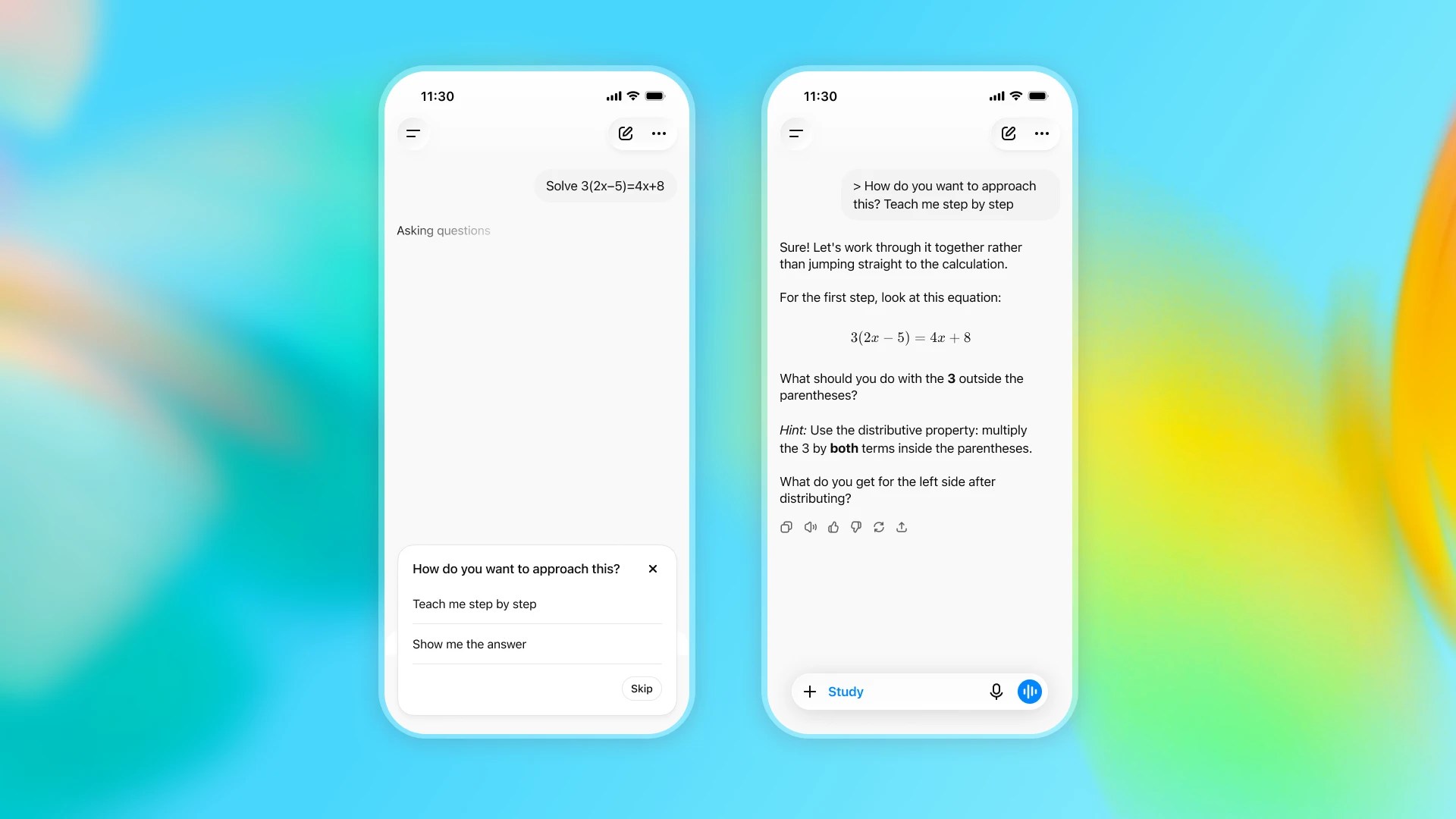
The primary objective is to create a safer online environment for adolescents while they explore the capabilities of large language models. This includes steering them away from harmful or inappropriate content, a critical concern for parents and educators alike. Additionally, the platform is being positioned to discourage the misuse of AI for academic purposes, such as completing homework assignments, a prevalent issue that has surfaced with the widespread availability of advanced AI tools.

Age-Appropriate Safety and Content Filtering
ChatGPT for Teens employs a multi-layered approach to content moderation. OpenAI has reportedly refined its safety protocols to better align with the developmental needs and sensitivities of younger users. This involves stricter filtering of queries and responses that could lead to exposure to mature themes, violence, or other potentially harmful topics. The system is designed to preemptively block or redirect conversations that venture into inappropriate territory, offering a more controlled experience than the general-purpose ChatGPT.
The development reflects a growing awareness within the AI industry of the need for specialized products catering to different user demographics, particularly minors. While the exact technical specifications of the filtering mechanisms remain proprietary, the emphasis is on proactive protection rather than reactive moderation. This means the AI is trained to recognize and avoid generating problematic content from the outset, a significant challenge given the vast and often unpredictable nature of language models.
Parental Controls and Oversight
Understanding that parental involvement is key to responsible technology use, OpenAI has incorporated robust parental controls into the new platform. These features are designed to give parents a degree of oversight into their teenagers' interactions with the AI. While specific details on the extent of these controls are still emerging, they are expected to include options for monitoring usage, setting time limits, and potentially reviewing conversation histories. This empowers parents to guide their teens' AI literacy and ensure the tool is used constructively.
The inclusion of parental controls addresses a significant gap identified in the initial rollout of ChatGPT, where such features were largely absent, leaving many parents concerned about their children's unsupervised access. By offering these tools, OpenAI seeks to build trust with families and provide a more transparent and manageable experience for younger users and their guardians. This approach mirrors strategies seen in other digital platforms that cater to younger audiences, prioritizing safety and parental guidance.
Learning Tools and Responsible AI Education
Beyond safety, ChatGPT for Teens aims to serve as an educational resource. OpenAI is developing learning tools that leverage the AI's capabilities to assist teens with homework and research in an ethical manner. The goal is to foster critical thinking and research skills, teaching students how to use AI as a supplementary tool rather than a crutch. This could involve features that help students understand complex topics, generate study aids, or explore different perspectives on a subject, all while emphasizing the importance of original work and academic integrity.
The platform's design encourages teens to learn how AI works, its limitations, and its potential biases. By promoting responsible use, OpenAI hopes to cultivate a generation of users who are not only adept at leveraging AI but also critically aware of its societal implications. This educational component is crucial for preparing young people for a future where AI will be increasingly integrated into their personal and professional lives. It’s an effort to turn a potential source of academic dishonesty into a powerful learning aid.
Broader Context and Industry Trends
The launch of ChatGPT for Teens aligns with a broader industry trend towards developing more specialized and safer AI applications. As AI technology matures, companies are increasingly recognizing the need to tailor their offerings to specific user groups, especially those involving children and adolescents. This includes addressing ethical considerations, privacy concerns, and the potential for misuse.
This development also occurs against a backdrop of evolving AI governance and regulation discussions globally. Governments and international bodies are grappling with how to ensure AI technologies are developed and deployed responsibly, with a particular focus on protecting vulnerable populations. OpenAI’s proactive step in launching an age-appropriate version of ChatGPT can be seen as an attempt to address these concerns and set a precedent for responsible AI product development in the youth market. The company's longtime COO, Brad Lightcap, is also leaving to pursue new ventures, signaling potential shifts within OpenAI's leadership and strategic direction, though his departure is not directly linked to this product launch.
Furthermore, the conversation around AI's role in education is intensifying. While tools like ChatGPT can offer unprecedented learning support, they also present challenges to traditional assessment methods. By introducing features that discourage cheating and promote ethical use, OpenAI is attempting to navigate this complex landscape and position its technology as a beneficial educational asset.
The Search Bot Conundrum
Separately, a discussion on dev.to highlights ongoing complexities regarding AI bots and web content indexing. While OpenAI has introduced ChatGPT for Teens, the specifics of how AI bots interact with the internet remain a point of contention for website owners and SEO professionals. For instance, Cloudflare's AI block recently named eight crawlers, but notably excluded ChatGPT's search bot. This raises questions about transparency and control for webmasters who wish to manage whether their content is used for AI training or included in AI search results. The distinction between training bots (like GPTBot) and search bots is critical, as website owners may have different policies for each. Ensuring clarity on which bots are accessing content is essential for data governance and for understanding the broader ecosystem of AI information consumption.