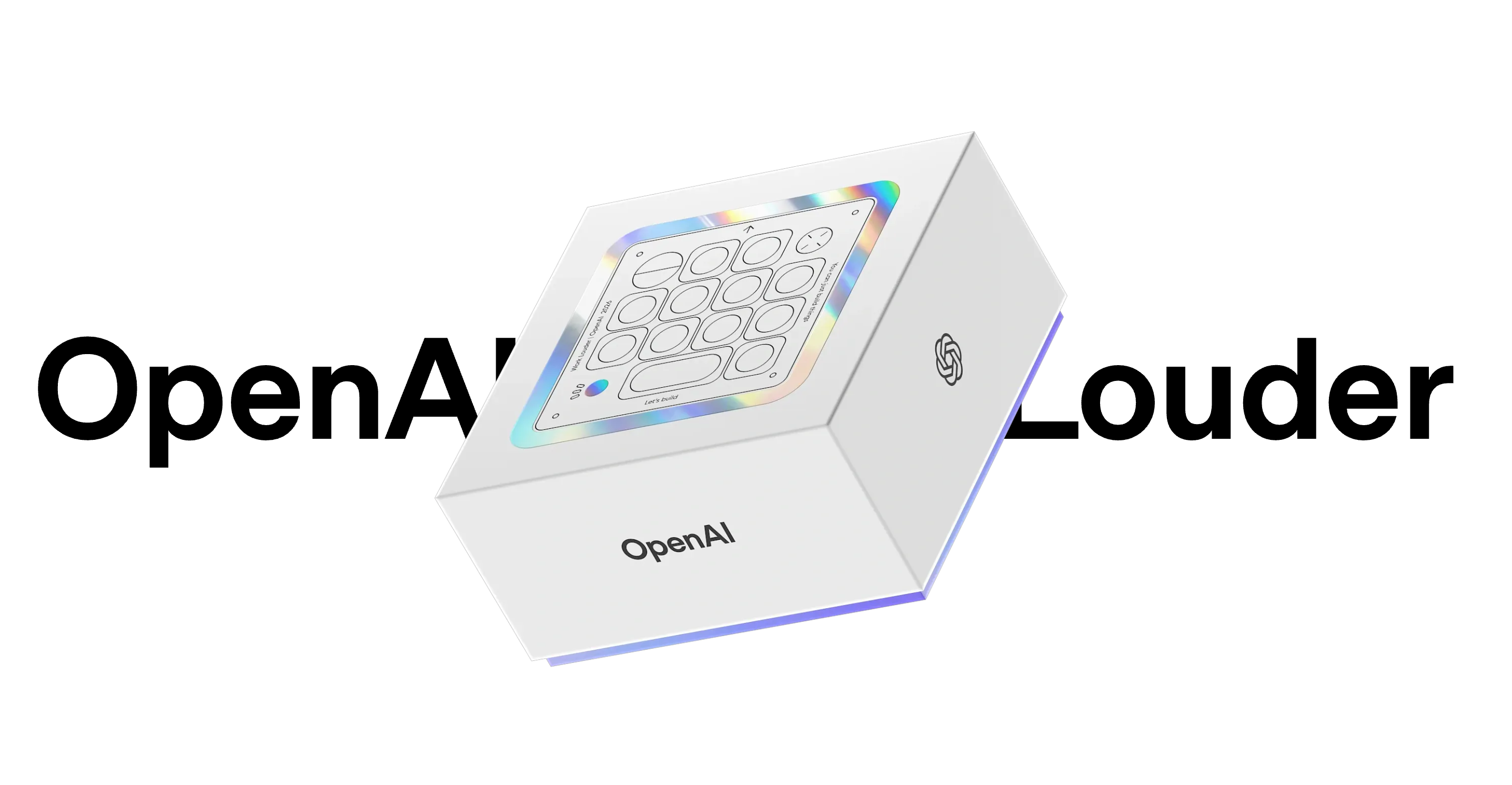
OpenAI's New Hardware Play: The Codex Keyboard
OpenAI, a company primarily known for its advanced AI models and software applications, has made a surprising foray into hardware with the release of a new $230 keyboard specifically designed for its agentic coding application, Codex. This move comes at a particularly sensitive time for the company, as it is currently embroiled in a legal battle with Apple concerning allegations of hardware trade theft. The launch of the Codex Keyboard suggests a strategic effort by OpenAI to create a more integrated and potentially proprietary ecosystem around its developer tools, moving beyond purely software-based offerings.
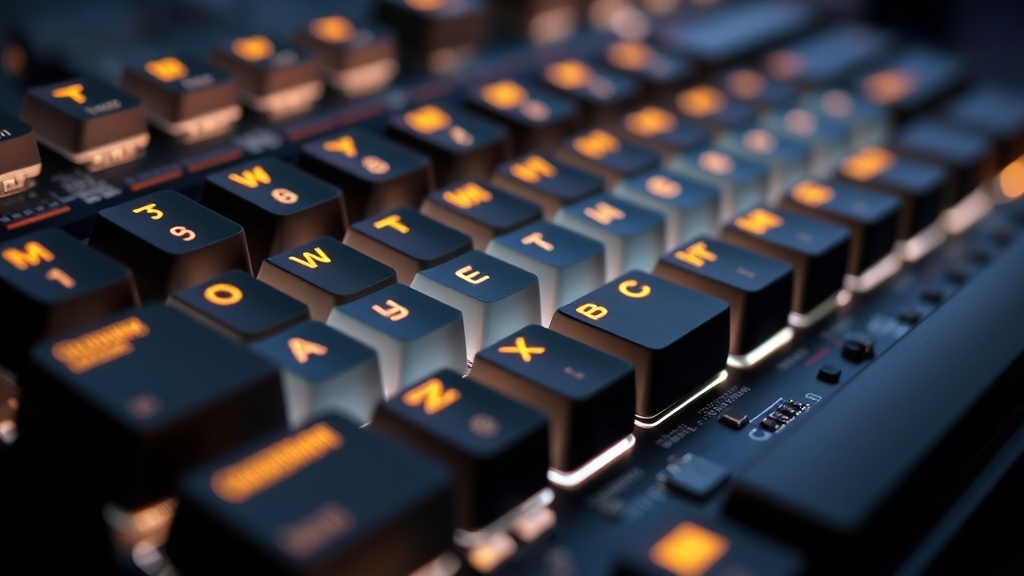
The keyboard itself is described as a "light-up keyboard," implying features that could illuminate specific keys or sequences to guide users through coding tasks or provide real-time feedback. While details on the exact technical specifications and unique functionalities are still emerging, the pricing positions it as a premium accessory, targeting professional developers who rely heavily on tools like Codex. This suggests that OpenAI views the hardware component as integral to the optimal user experience for its advanced coding assistant, aiming to streamline workflows and enhance productivity.
The timing of this hardware release, directly amidst a high-stakes legal dispute with a tech giant like Apple, is noteworthy. Apple's lawsuit, which alleges hardware trade theft, places OpenAI under intense scrutiny regarding its business practices and intellectual property handling. The introduction of a physical product, especially one that could be interpreted as enhancing a core AI offering, might be seen by some as an aggressive or even provocative move. However, OpenAI could frame it as a natural evolution of its product strategy, demonstrating a commitment to providing comprehensive solutions for its developer community.
The Legal Shadow: Apple's Allegations
The legal battle between OpenAI and Apple casts a significant shadow over this product launch. While the specifics of Apple's claims of "hardware trade theft" are not fully detailed in the initial reports, such allegations typically involve the unauthorized acquisition or use of proprietary hardware designs, manufacturing processes, or trade secrets. For OpenAI, which has consistently focused on AI software and model development, a legal entanglement concerning hardware is an unusual and potentially damaging development. It raises questions about how OpenAI's hardware-related activities might intersect with broader industry norms and legal frameworks governing intellectual property.
Apple, a company with a deeply entrenched hardware business and a reputation for stringent control over its supply chain and product designs, is unlikely to pursue such a lawsuit without substantial evidence. The implications for OpenAI could range from significant financial penalties to injunctions that could impact its future hardware development or even its existing product ecosystem. The company's decision to proceed with a hardware product launch while facing these allegations could be interpreted in several ways: as a sign of confidence in its legal defense, a strategic move to assert its independence, or perhaps a calculated risk to accelerate its hardware ambitions regardless of the ongoing litigation.
Strategic Implications: Beyond Software
OpenAI's move into hardware with the Codex Keyboard signals a potential shift in its strategic vision. Historically, AI companies have focused on software, cloud services, and APIs, leveraging existing hardware platforms. However, as AI models become more complex and integrated into specific workflows, the value of tailored hardware solutions becomes more apparent. The Codex Keyboard is not just a peripheral; it is presented as an extension of the Codex application, designed to optimize the interaction between the human coder and the AI assistant.
This approach mirrors strategies seen in other specialized tech fields, where hardware and software are tightly coupled to deliver superior performance or unique user experiences. For developers, the promise of a keyboard that actively guides and assists them could translate into tangible productivity gains, reducing cognitive load and minimizing errors. It suggests a future where AI-powered tools are not just accessed through generic interfaces but are augmented by purpose-built hardware that understands and anticipates user needs within a specific domain, such as coding.
The $230 price point places this keyboard in direct competition with high-end mechanical keyboards and specialized developer tools. This indicates that OpenAI is targeting a professional market willing to invest in tools that offer a demonstrable return on investment through increased efficiency. The success of the Codex Keyboard will likely depend on its ability to deliver on this promise, offering functionalities that justify its premium price and differentiate it from standard keyboards. The integration with Codex, particularly any novel light-up features that enhance the coding process, will be critical to its adoption.
An Unanswered Question: The Future of OpenAI Hardware
What remains to be seen is whether the Codex Keyboard is a one-off experiment or the first step in a broader hardware strategy for OpenAI. If successful, it could pave the way for other specialized hardware peripherals designed to interface with different AI applications, such as tools for AI-driven content creation, data analysis, or even robotics control. The company's ability to navigate the ongoing legal challenges while simultaneously expanding its product footprint into hardware will be a critical test of its resilience and strategic foresight.
The intersection of AI software and specialized hardware is an emerging frontier. Companies that can successfully bridge this gap, offering seamless integration and enhanced user experiences, may gain a significant competitive advantage. OpenAI's current product, while niche, could be a harbinger of a more hardware-centric approach to AI deployment, moving beyond the abstract and into the tangible realm of user interaction and physical tooling.