
The Double-Edged Sword of Auto-Updates
Open-source software offers unparalleled transparency and community collaboration. When these applications also feature automatic updates, they promise users continuous improvement, bug fixes, and new features delivered seamlessly. However, this convenience introduces a critical challenge: trust. Users must implicitly trust that the code being automatically deployed is not malicious, does not introduce regressions, and respects their data and privacy. This trust is not automatic; it must be earned through deliberate engineering and transparent practices.
The core issue lies in the transfer of control. When an application updates itself, it's effectively given permission to modify its own codebase on the user's system. For proprietary software, this is a standard, albeit sometimes intrusive, user experience. For open-source, where the promise is that 'the code is visible to all,' the self-updating mechanism can feel like a black box. Users can inspect the source code, but they cannot typically inspect the code that is *about to be deployed* to their machine in real-time, especially if the update process itself is proprietary or opaque.
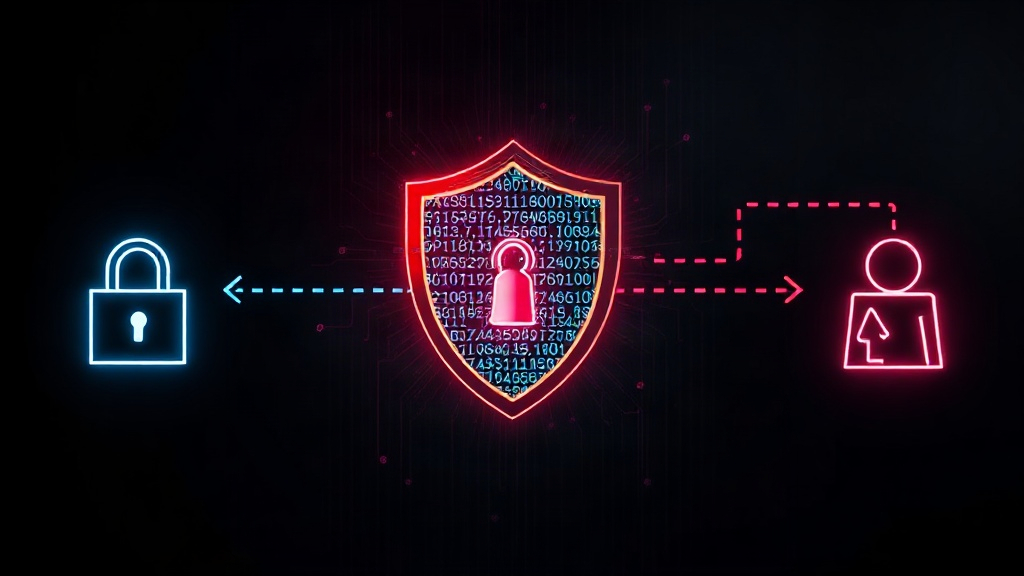
Establishing Trust: The Pillars of Secure Auto-Updates
Building trust in self-updating open-source applications requires a multi-pronged approach, focusing on security, transparency, and user control. Developers must consider the entire lifecycle of an update, from its creation to its deployment.
Robust Code Review and Testing
The foundation of trust is impeccable code quality. For open-source projects, this means rigorous peer review processes. Every change, especially those destined for automatic deployment, should undergo thorough scrutiny by multiple contributors. This includes:
- Automated Testing: Comprehensive unit, integration, and end-to-end tests are non-negotiable. These should cover functionality, performance, and security aspects.
- Security Audits: Regular, independent security audits of the codebase and the update mechanism itself are crucial. Findings from these audits should be made public, along with remediation plans.
- Static and Dynamic Analysis: Employing tools that scan code for common vulnerabilities (like SQL injection, buffer overflows, or insecure cryptographic practices) before merging and deploying is essential.
Secure Update Delivery Mechanisms
The method by which updates are delivered is as important as the code itself. A compromised update server or delivery channel can be disastrous. Key considerations include:
- Code Signing: All update packages must be cryptographically signed by trusted keys. Users' systems should verify these signatures before applying any update. The keys used for signing should be securely managed and their rotation transparently documented.
- Encrypted Transport: Updates must be transmitted over secure, encrypted channels (e.g., HTTPS) to prevent man-in-the-middle attacks.
- Decentralized Distribution: Where feasible, using decentralized content delivery networks or peer-to-peer mechanisms can reduce single points of failure and potential for widespread compromise.
- Rollback Capabilities: The update system should have a robust mechanism to automatically roll back to a previous stable version if an update fails to install or introduces critical issues.
Transparency and User Control
Even with strong security measures, users need visibility and control. This is where the open-source ethos can shine:
- Public Release Notes: Detailed release notes, explaining not just what changed but *why* it changed, are vital. These should clearly highlight security fixes, new features, and any potential breaking changes.
- Update Channels: Offering different update channels (e.g., stable, beta, nightly) allows users to opt into varying levels of risk and feature exposure.
- Manual Review Option: Users should have the option to review updates before they are applied. This could involve a simple prompt, or the ability to inspect changelogs and even code diffs for critical updates.
- Clear Documentation: Comprehensive documentation on the update process, security measures, and how to manage updates is essential. This includes information on key management and verification.
- Community Involvement: Encouraging community participation in testing new releases and reporting issues fosters a collective sense of ownership and trust.
The Unanswered Question: Balancing Convenience and Control
While the technical mechanisms for secure auto-updates are becoming more sophisticated, a fundamental tension remains: how much control should users cede for the sake of convenience? For many, the risk of a botched update or a security breach outweighs the benefit of always having the latest version. The open-source community must continue to innovate not just in code, but in user experience, finding elegant solutions that provide the security and transparency users expect, without sacrificing the seamlessness that auto-updates promise. The ultimate goal is to make the act of trusting an automatically updating open-source application feel as natural and secure as trusting the project's source code itself.