The Rise of Open Source AI
The artificial intelligence landscape is rapidly evolving, with open-source projects playing a pivotal role in democratizing access to powerful tools and models. From large language models to computer vision frameworks, the community-driven nature of open source accelerates innovation, fosters collaboration, and allows developers worldwide to build upon cutting-edge research. However, navigating this burgeoning ecosystem can be challenging. With hundreds of projects vying for attention, identifying which ones are gaining traction, attracting contributors, and demonstrating real-world impact is crucial for developers, researchers, and organizations alike.
To address this, a new initiative has emerged: the Open Source AI Popularity Leaderboard. This project, accessible via app.scarf.sh/ai-leaderboard, seeks to provide a quantitative measure of the popularity and adoption of various open-source AI projects. It aims to cut through the noise and offer a data-driven perspective on which projects are resonating most strongly within the developer community and the broader AI ecosystem.
Quantifying Popularity: Methodology and Metrics
The leaderboard's methodology focuses on metrics that reflect genuine engagement and adoption. While the exact algorithms and data sources are proprietary to Scarf, the general approach involves analyzing various indicators of project health and community interest. This typically includes factors such as:
- Download statistics: Tracking how often project libraries or models are downloaded from package managers (e.g., PyPI, npm).
- Community engagement: Monitoring activity on platforms like GitHub (stars, forks, issues, pull requests) and Discord/Slack channels.
- Developer adoption: Assessing how widely a project is being integrated into other applications and workflows, often inferred through indirect signals.
- Contributor growth: Observing the rate at which new developers are contributing code, documentation, or bug fixes.
By aggregating these diverse signals, the leaderboard aims to present a holistic view of a project's standing. It's not simply about the number of GitHub stars, which can sometimes be a vanity metric, but about sustained usage and active community involvement. Think of it less like a popularity contest based on fleeting trends and more like a diagnostic tool for project vitality, similar to how a doctor monitors a patient's heart rate, blood pressure, and other vital signs to assess overall health.

Navigating the Leaderboard: What Developers Need to Know
For developers, the Open Source AI Popularity Leaderboard serves as an invaluable resource. It helps in several key areas:
- Project Selection: When starting a new AI project or looking to integrate existing tools, the leaderboard can guide developers towards well-supported and actively developed libraries. Choosing a project with high popularity often means better documentation, more community support, and a lower risk of the project becoming abandoned.
- Skill Development: Identifying trending projects allows developers to focus their learning efforts on technologies that are in demand. Contributing to popular open-source projects can significantly boost a developer's profile and practical experience.
- Benchmarking: The leaderboard provides a benchmark for the broader open-source AI community. It highlights which approaches and architectures are gaining the most traction, offering insights into current industry trends and potential future directions.
The surprising detail here is not the existence of such a leaderboard, but the granularity and breadth of data it attempts to synthesize. Many developers rely on anecdotal evidence or simple GitHub star counts to gauge project health. This leaderboard offers a more systematic approach, acknowledging that popularity in open source is a multifaceted concept driven by downloads, contributions, and community interaction, not just fleeting attention.
Broader Implications for the AI Ecosystem
The Open Source AI Popularity Leaderboard has implications beyond individual developers. For AI researchers, it can indicate which models and frameworks are being actively tested and deployed in real-world scenarios, providing valuable feedback on the practical applicability of their work. For startups and established companies, it offers insights into the tools that are likely to have robust ecosystems and long-term support, influencing build-vs-buy decisions and technology stack choices.
Founders can use this data to understand where the community's energy is focused, potentially identifying gaps or opportunities for new ventures. Investors might also find value in understanding which open-source projects are demonstrating strong adoption, as these often form the bedrock of many AI-driven products and services. The continuous tracking of these metrics can reveal shifts in the AI landscape, signaling emerging trends before they become mainstream.
What nobody has addressed yet is how this leaderboard might influence project development itself. Will projects start optimizing for leaderboard metrics over fundamental technical merit? Could this create an incentive structure that prioritizes visibility over innovation, or will it genuinely reflect the most impactful and useful open-source AI projects? The long-term effect on the health and direction of open-source AI development remains to be seen.
Contributing to Open Source AI
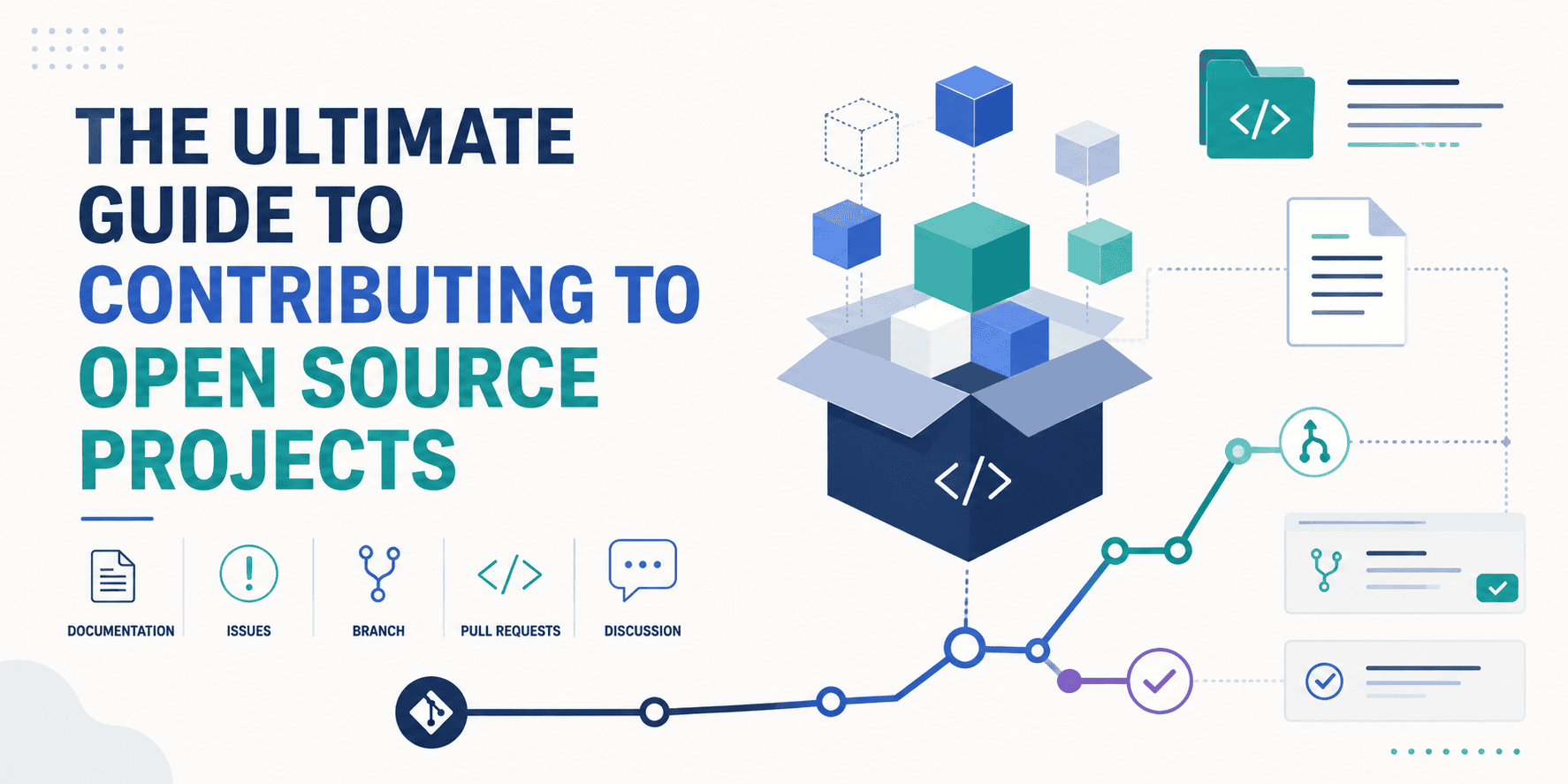
For those inspired to get involved, contributing to open-source AI projects is more accessible than ever. Beyond just code, contributions can include improving documentation, reporting bugs, creating tutorials, or helping moderate community forums. Projects that appear high on the leaderboard often have established contribution guidelines and welcoming communities. Resources like KDnuggets'