Omeife: Bridging the Digital Divide in African Healthcare
Africa's burgeoning technology landscape has a new champion in Omeife, the continent's pioneering AI-powered humanoid robot. Initially developed to preserve and promote African languages and cultures, Omeife has now strategically pivoted to address a critical need: accessible healthcare. This expansion into digital health marks a significant leap, leveraging Omeife's advanced AI capabilities to facilitate telemedicine services, aiming to bridge the persistent healthcare gap faced by millions across Africa.
The initiative is spearheaded by its creators, Uniccon Group, a Nigerian technology company that has long championed the development of indigenous AI solutions. Omeife, a physical embodiment of their ambition, is designed not just as a technological marvel but as a practical tool for societal advancement. Its integration into telemedicine represents a thoughtful application of advanced robotics and artificial intelligence to solve real-world problems, moving beyond theoretical demonstrations to tangible impact.
The core challenge Omeife addresses is the uneven distribution of healthcare professionals and facilities across Africa. Many remote and underserved communities lack access to basic medical services, forcing residents to travel long distances for even simple consultations. This often leads to delayed diagnoses, worsening health outcomes, and increased healthcare costs for individuals. Omeife's role in telemedicine aims to democratize healthcare access by bringing medical expertise directly to those who need it most, irrespective of their geographical location.
AI and Humanoid Capabilities in Medical Service Delivery
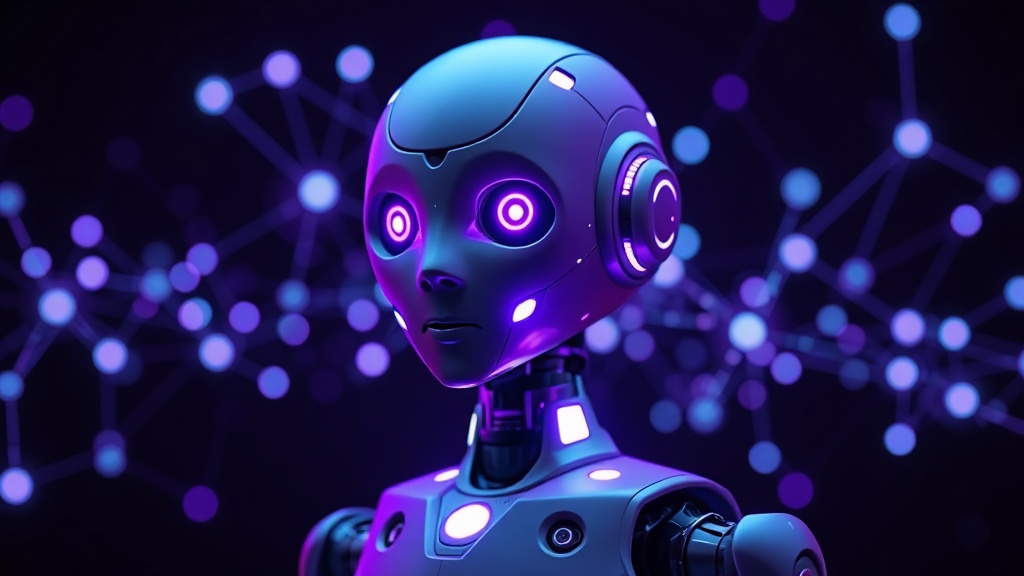
Omeife's AI model is the engine driving its new role. It is trained on vast datasets, enabling it to understand and process medical information, interact with patients, and assist healthcare providers. This AI forms the backbone of the telemedicine platform, allowing for efficient data collection, preliminary diagnosis support, and seamless communication between patients and remote doctors. The humanoid form factor, while visually striking, serves a practical purpose: it enhances user engagement and provides a more natural, intuitive interface for interaction, especially for individuals less familiar with purely digital interfaces.
The robot's functionalities in a telemedicine context are multifaceted. It can guide patients through symptom reporting, collect vital signs (when integrated with appropriate sensors), and even provide basic health advice. Crucially, Omeife acts as a conduit, transmitting this information accurately and efficiently to a qualified medical practitioner located elsewhere. This allows doctors to conduct remote consultations with a richer set of patient data than traditional phone or video calls alone might provide. Think of Omeife less as a doctor itself, and more as an incredibly well-trained, empathetic medical assistant that can be deployed anywhere, anytime.
The development team at Uniccon Group emphasizes Omeife's adaptability. The AI model is continuously learning and improving, adapting to the specific healthcare needs and cultural nuances of different African regions. This localization is key to its success, ensuring that the technology is not only functional but also culturally relevant and trustworthy for the communities it serves. The ability to process and respond in local languages further enhances its utility and accessibility.
Expanding Healthcare Access: The Telemedicine Revolution
The implications of Omeife's deployment in telemedicine are far-reaching. For remote villages where doctors are scarce, Omeife can serve as a first point of contact, screening patients and connecting them with specialists. For urban populations, it can help manage chronic conditions, provide follow-up care, and reduce the burden on overcrowded clinics. The system is designed to be scalable, allowing for rapid deployment across various regions and healthcare settings.
This initiative directly tackles several Sustainable Development Goals (SDGs), particularly SDG 3: Good Health and Well-being. By improving access to healthcare, Omeife contributes to reducing mortality rates, combating diseases, and ensuring that quality health services are available to all citizens, regardless of their economic status or location. It represents a proactive approach to healthcare delivery, shifting from a reactive model to one that is more preventative and accessible.
The success of Omeife in telemedicine could pave the way for further innovation in Africa's digital health sector. It demonstrates the potential of leveraging indigenous AI and robotics to create tailored solutions for the continent's unique challenges. As the technology matures and its reach expands, Omeife could become an indispensable tool in strengthening healthcare systems and improving the quality of life for millions.
Challenges and Future Outlook
Despite the promising outlook, challenges remain. Ensuring reliable internet connectivity in remote areas, maintaining the robots, and integrating them seamlessly with existing healthcare infrastructure are critical hurdles. Furthermore, building trust and ensuring data privacy and security will be paramount for widespread adoption. Uniccon Group is actively working on these aspects, collaborating with local governments and healthcare providers to create robust and sustainable telemedicine programs.
The future for Omeife in healthcare looks bright. The company envisions expanding its capabilities to include diagnostic support for a wider range of conditions, remote patient monitoring, and even assisting in basic medical procedures under remote supervision. As AI and robotics continue to advance, Omeife stands poised to become a symbol of Africa's technological prowess and its commitment to innovative healthcare solutions.