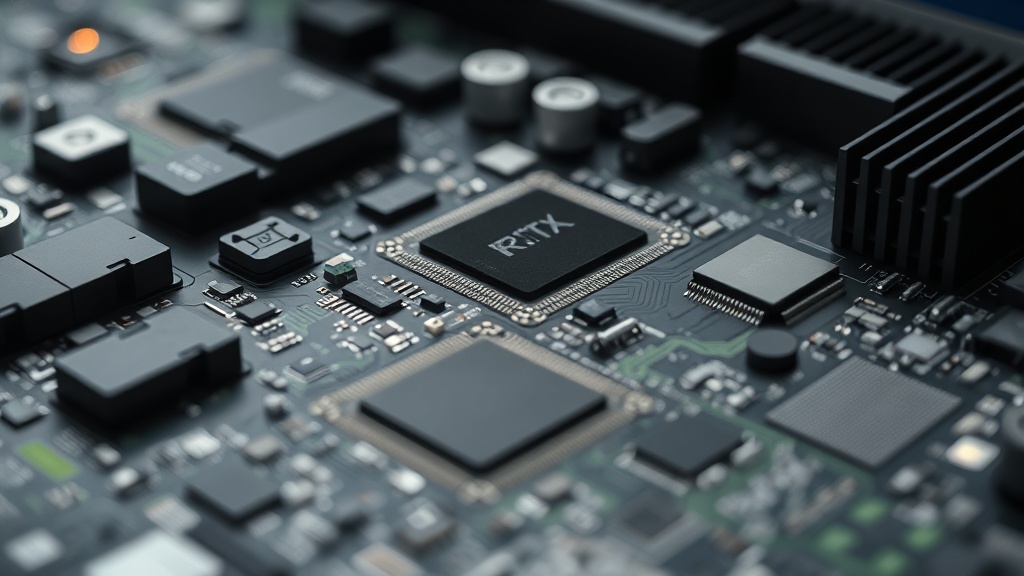
Developer ImpactDevelopers should anticipate a new integrated GPU architecture from Nvidia that shows promise for graphics-intensive tasks in ultraportables. Expect driver optimization to be a critical focus, potentially leading to early compatibility issues or performance variances. This hardware could enable new classes of thin-and-light devices capable of casual gaming and accelerated creative workflows.
Security AnalysisAs this is a hardware prototype, specific security vulnerabilities (CVEs) are not yet identified. However, the introduction of new silicon like the Nvidia N1X chip necessitates thorough security auditing of its architecture and associated drivers. Early-stage hardware often presents unique attack surfaces that require diligent patching and secure coding practices from both the manufacturer and software developers.
Founders TakeThis prototype suggests Nvidia is serious about challenging integrated graphics in the ultraportable space, potentially creating new opportunities for OEMs to differentiate their premium laptops. Founders of companies developing content creation or casual gaming software should monitor this hardware's development, as it could expand their addressable market for optimized applications on thin-and-light form factors.
Creators InsightsFor creators, this Nvidia RTX Spark prototype hints at a future where ultraportable laptops offer significantly more graphical power for tasks like photo editing, light video rendering, and 3D modeling. If the technology matures, it could reduce the need for dedicated, bulkier creator laptops, enabling a more portable and versatile creative workflow.
Data Science PerspectiveThe performance characteristics of the Nvidia N1X chip, particularly its efficiency and scalability in an ultraportable form factor, will be key data points for AI and machine learning researchers. Its potential for on-device inference or accelerated local model training in a low-power envelope could open new avenues for edge AI applications.
%22%20%2F%3E%0A%20%20%3C%2Fsvg%3E)