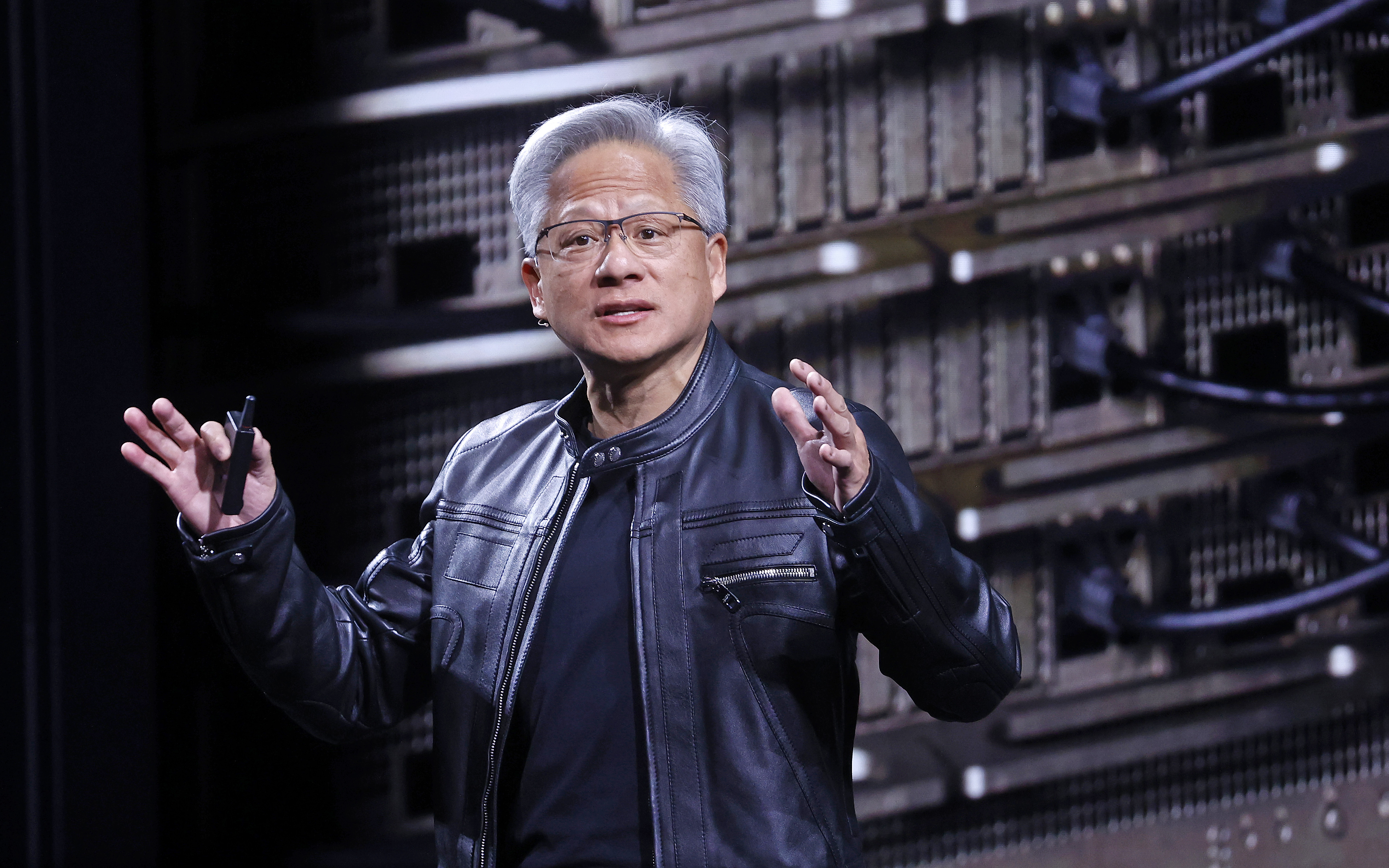
Nvidia's Expanding Data Center Footprint
Nvidia, the undisputed leader in AI chip manufacturing, is deepening its involvement in the physical infrastructure that powers its technology. The company has announced a strategic partnership with Cloverleaf, a developer of specialized data centers, signaling a significant move to control more of the AI computing stack. This collaboration focuses on building data centers specifically architected for the demands of artificial intelligence workloads, a sector experiencing explosive growth and placing unprecedented strain on existing infrastructure.
The partnership is more than just a supply agreement for Nvidia's GPUs. It represents a commitment to co-design and optimize data center facilities to meet the unique power, cooling, and networking requirements of AI training and inference. As AI models grow larger and more complex, the computational demands escalate, requiring hardware and infrastructure that can operate at peak efficiency and scale. Nvidia's involvement suggests a desire to ensure its hardware performs optimally within purpose-built environments, potentially setting new standards for AI data center design.
Cloverleaf, known for its focus on high-performance computing and custom data center solutions, is well-positioned to execute on this vision. The company has experience in delivering facilities tailored to specific client needs, often involving advanced cooling techniques and robust power delivery systems. By integrating Nvidia's expertise in AI hardware and system design with Cloverleaf's infrastructure development capabilities, the partnership aims to accelerate the deployment of next-generation AI data centers. This move is critical for Nvidia as it seeks to maintain its dominance not just in silicon but in the entire ecosystem that enables AI advancements.
The Strategic Imperative for AI Infrastructure
The burgeoning demand for AI computing power has created a bottleneck: the data centers themselves. Traditional data centers, while capable, are often not optimized for the high-density, high-power, and specialized networking requirements of AI workloads. Training massive language models, for instance, requires sustained, high-throughput computation across thousands of GPUs, generating immense heat and consuming vast amounts of electricity. Inference, while less intensive per query, scales with user demand, necessitating efficient, low-latency environments.
Nvidia's strategy appears to be a direct response to this challenge. By partnering with a developer like Cloverleaf, Nvidia can influence the design and construction of facilities from the ground up. This allows for the integration of advanced cooling solutions, such as liquid cooling, which is becoming increasingly necessary for high-performance GPUs operating at full capacity. It also means optimizing power distribution and network fabrics to minimize latency and maximize bandwidth, crucial for distributed AI training jobs. Think of it less like retrofitting a general-purpose building for a specific task, and more like designing a bespoke laboratory specifically for cutting-edge AI research and deployment.
This partnership also provides Nvidia with a more direct channel to market for its data center solutions. Instead of solely relying on cloud providers and enterprises to build out their own infrastructure, Nvidia can now facilitate the creation of dedicated AI facilities. This could lead to more predictable demand for its hardware and a stronger ecosystem around its technologies. It also potentially gives Nvidia greater insight into the future needs of the AI infrastructure market, informing its own product development roadmap.
Implications for the AI Ecosystem
The collaboration between Nvidia and Cloverleaf has broad implications for the AI industry. For AI developers and researchers, it promises access to more powerful, purpose-built computing resources. This could accelerate the pace of innovation, enabling the development of even more sophisticated AI models and applications. Faster training times and lower inference latency can translate directly into more responsive and capable AI services.
For other hardware vendors and infrastructure providers, this partnership highlights the increasing specialization of the data center market. The race is on to provide solutions that can meet the unique demands of AI, from specialized networking equipment to advanced power and cooling systems. Nvidia's move signals that it is not content to be just a component supplier but is actively shaping the infrastructure landscape.
The financial implications are also significant. Nvidia's continued investment in data center development, even beyond chip sales, underscores the immense profitability of the AI hardware market. For Cloverleaf, the partnership provides access to Nvidia's cutting-edge technology and expertise, potentially giving it a competitive edge in the rapidly expanding data center development sector. What remains to be seen is how this model will scale and whether other major chip manufacturers will follow suit with similar strategic infrastructure partnerships.
This move solidifies Nvidia's position as a central player in the AI revolution, extending its influence from the silicon chip to the very buildings that house them. The focus on specialized AI data centers is not merely an incremental improvement; it is a necessary evolution driven by the insatiable appetite of artificial intelligence for computational power.