
The Problem: Stale Package Versions
npmx.dev, a browser for the npm registry designed for fast package lookups and comparisons, suffered from a subtle bug. The platform's compare page would sometimes display outdated package version numbers. This wasn't a crash-inducing error, but a quiet inaccuracy that could mislead developers. Users might see an older version of a package listed as the latest, when in reality, a newer, more stable, or feature-rich version had long been published to the npm registry.
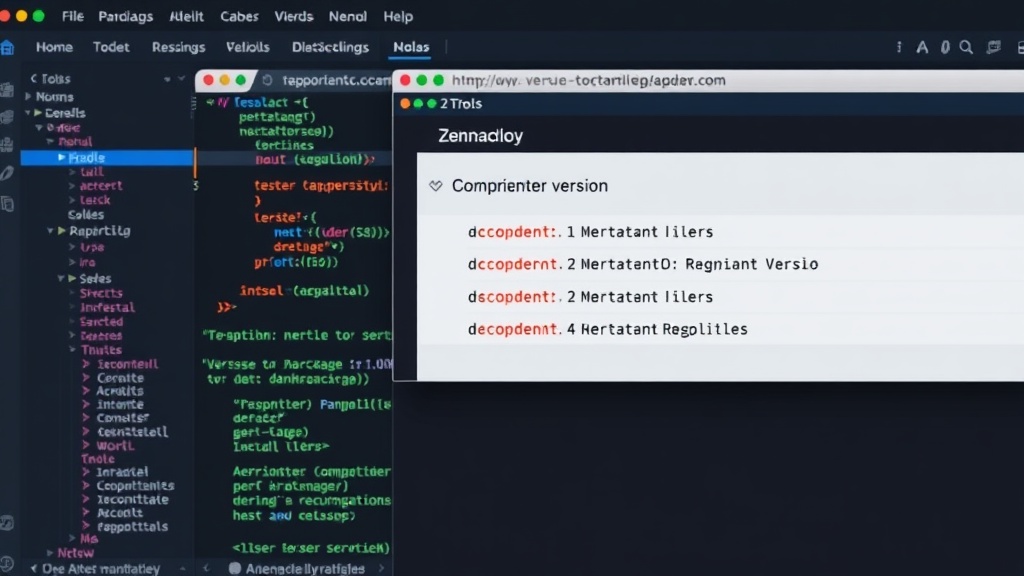
The issue was documented in GitHub issue #1832. A specific example highlighted the comparison between the packages tinyclip and copy-paste. In this instance, tinyclip was incorrectly pinned to its initial release version, 0.0.1, while its actual latest version was 0.1.8. The original issue included screenshots clearly illustrating this discrepancy when juxtaposed with the data directly from the npm registry.
Root Cause: Cache Invalidation Failure
The underlying cause of this silent bug was identified as a failure in the cache invalidation mechanism within npmx.dev. The application, like many high-performance services, utilizes caching to speed up data retrieval. When new versions of packages are published to the npm registry, the cache should be updated or invalidated to reflect these changes. In this case, the cache was not being properly cleared or refreshed, leading to the display of stale data.
This type of bug is particularly insidious because it doesn't break the application outright. Instead, it erodes the reliability of the information presented. For a tool like npmx.dev, which developers rely on for accurate package information, this can lead to significant frustration and a loss of trust. Developers might waste time investigating issues stemming from using an outdated dependency, only to discover later that the tool they used to check versions provided incorrect data.
The Fix: Implementing Proper Cache Strategies
The solution involved implementing a more robust cache invalidation strategy. While the specific technical details of the fix are not elaborated upon in the provided source, the implication is that the development team adjusted how npmx.dev handled updates from the npm registry. This likely involved ensuring that whenever a package is updated on the registry, the corresponding cached data within npmx.dev is either refreshed with the new information or marked as stale and subsequently re-fetched upon the next request.
For developers working on services that rely on external data sources and employ caching, this incident serves as a crucial reminder. Caching is a powerful performance optimization, but it introduces complexity. Without careful management, stale data can become a persistent problem. Effective cache invalidation strategies, often tied to event-driven updates or time-to-live (TTL) mechanisms, are essential to maintain data accuracy.
Broader Implications for Developer Tools
The npmx.dev cache bug, while seemingly minor, highlights a critical aspect of developer tooling: accuracy and reliability are paramount. Tools that developers use to navigate the vast npm ecosystem — package managers, version checkers, and registry browsers — must provide trustworthy information. Any deviation, even if silent, can have cascading effects on development workflows.
This incident underscores the importance of comprehensive testing, especially for edge cases involving data freshness and synchronization. For the npmx.dev team, the fix not only restores the accuracy of their compare page but also reinforces their commitment to providing a dependable service. For the broader developer community, it's a call to remain vigilant about the data presented by their essential tools and to contribute to bug reporting when inaccuracies are found.
The DEV's Summer Bug Smash competition, where this submission was made, plays a vital role in incentivizing developers to identify and fix such issues, ultimately improving the quality of open-source tools and platforms. The focus on