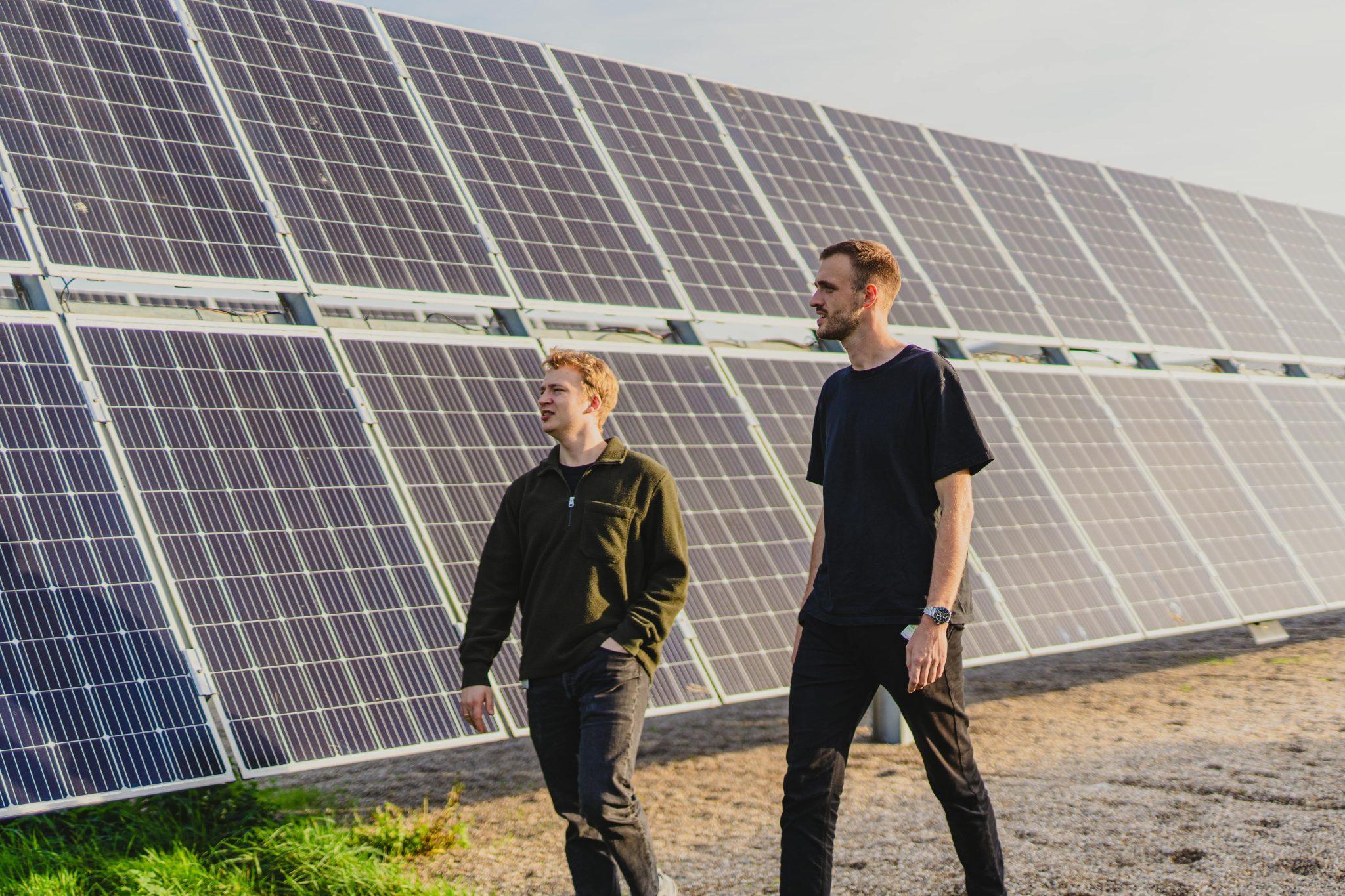
Nordic Energy Startups Thrive Amidst Climate Tech Slump
While venture capital investment in the broader climate tech sector has seen a noticeable downturn, a distinct cohort of Nordic energy startups is demonstrating remarkable resilience. These companies are not only attracting substantial funding but are also propping up the region's tech ecosystem at a time when many investors have shifted their focus. This trend suggests a specific investor appetite for mature, impactful energy solutions rather than speculative early-stage climate ventures.
The Nordic region, known for its forward-thinking approach to sustainability and renewable energy, has cultivated a fertile ground for innovation in this space. Startups here are tackling critical energy challenges, from grid modernization and energy storage to advanced materials for renewable energy generation. This focus on tangible, scalable solutions appears to be resonating with investors looking for demonstrable impact and clear paths to profitability.
One significant factor contributing to this sustained investment is the maturity and readiness of these technologies. Unlike some climate tech areas that are still in nascent stages, many Nordic energy startups are offering solutions that are either market-ready or close to commercial deployment. This reduces perceived risk for investors, making these companies more attractive even in a tighter funding environment. The emphasis is on practical applications that can deliver immediate environmental benefits and economic returns.
Key Players and Investment Trends
Several companies highlight this trend. For instance, Yenn ngeo, a provider of advanced geothermal energy solutions, has secured significant backing. Their technology offers a way to tap into a consistent, baseload renewable energy source, a critical component for grid stability. The company's ability to demonstrate a clear value proposition and a scalable business model has been instrumental in its fundraising success.
Another notable example is the significant funding rounds seen by companies focused on energy storage. As renewable energy sources like solar and wind become more prevalent, the need for efficient and cost-effective energy storage solutions has never been greater. Nordic startups are innovating in areas such as long-duration storage and grid-scale battery systems, attracting investment from VCs keen on enabling a fully renewable energy grid. The success of these companies is not just about the technology itself, but also about their strategic partnerships and ability to integrate into existing energy infrastructures.
The investment landscape in the Nordic region is characterized by a mix of local and international VCs. While some global investors have scaled back their climate tech portfolios, many regional funds and specialized climate-focused investors continue to back promising Nordic energy ventures. This sustained interest from a dedicated investor base provides a crucial lifeline for these companies, allowing them to continue their growth and development.

Broader Market Context and Future Outlook
The divergence in investment between general climate tech and the Nordic energy sector is telling. It suggests a market maturation where investors are becoming more discerning, prioritizing technologies with clear economic viability and direct decarbonization impact. This shift could be a healthy sign for the industry, forcing a focus on practical, deployable solutions rather than purely aspirational ones.
What remains to be seen is whether this trend will inspire similar resilience in other climate tech sub-sectors. The success of Nordic energy startups could serve as a blueprint for other regions or technology areas, demonstrating that even in challenging economic climates, focused innovation and strong market fundamentals can attract capital. The ability to scale rapidly and demonstrate tangible results will likely be the key differentiator for climate tech companies seeking funding going forward.
The implications for the energy transition are significant. By continuing to fund and develop innovative energy solutions, these startups are accelerating the shift away from fossil fuels. Their success not only bolsters the Nordic tech scene but also contributes to global efforts to combat climate change. The focus on practical, scalable energy technologies is a critical step towards achieving ambitious climate goals. The continued investment in this niche signals a strong belief in its potential to deliver both environmental and financial returns, setting a positive precedent for the future of sustainable energy innovation.
The data from the past year shows a clear pattern: while overall climate tech funding has decreased, the energy sector within the Nordics has bucked this trend. For example, companies focusing on grid modernization and energy efficiency have seen their valuations and funding rounds remain robust. This is partly driven by policy support and a growing recognition of the urgent need for energy security and transition. Investors are looking for solutions that address immediate needs while also contributing to long-term sustainability goals.
The resilience of these Nordic energy startups can be partly attributed to their deep understanding of regulatory landscapes and their ability to forge strong partnerships with established energy players. This collaborative approach often accelerates market entry and adoption, providing a more predictable revenue stream and de-risking investments. It’s a pragmatic approach that stands out in a sector often characterized by long development cycles and uncertain market adoption.
Ultimately, the success of these Nordic companies highlights a critical point: innovation in climate tech is not slowing down, but the investment focus is sharpening. Investors are seeking proven technologies with clear market traction and a strong potential for real-world impact. This selective approach, exemplified by the Nordic energy sector, may prove to be the most effective way to drive meaningful progress in the fight against climate change.