The Illusion of Stability in Free LLM Endpoints
Many development teams, eager to integrate cutting-edge AI capabilities without incurring immediate costs, opt for free LLM endpoints. This approach often stems from a misunderstanding: treating these free services as static, unchanging APIs. The reality, however, is far more dynamic. Behind the scenes, providers of free LLM access are constantly tweaking their offerings. These changes can range from subtle model updates and aggressive quantization adjustments to server-side prompt engineering. While these modifications might be intended to optimize performance, reduce costs, or improve the general utility of the model, they can have a significant, often detrimental, impact on applications that rely on them. This impact typically manifests as a gradual, almost imperceptible decline in output quality, a phenomenon that users may experience as a worsening user experience long before developers realize the root cause.
The core problem lies in the lack of visibility. Unlike paid services that often provide detailed changelogs, performance metrics, and dedicated support channels, free endpoints operate in a relative black box. Developers wire them in, assuming stability, and then shift their focus to other aspects of their application. This assumption is where the risk lies. Without a proactive monitoring strategy, the subtle behavioral shifts in the underlying models become invisible until they accumulate into noticeable degradations in application performance, leading to user frustration and a potential loss of trust.

The Nightly Drift Check Solution
The most effective strategy to combat this invisible erosion of quality is a nightly drift check. This isn't a comprehensive, resource-intensive benchmark designed to measure every possible facet of a model's performance. Instead, it's a focused, recurring alarm system. The process involves a small, automated script that systematically sends a curated set of your most critical prompts to the LLM endpoint each night.
The outputs generated by these prompts are then compared against a predefined baseline. This baseline represents the expected, acceptable output for each prompt. Any significant deviation from this baseline triggers an alert. This recurring check acts as an early warning system, flagging behavioral changes as soon as they occur. It allows developers to identify and address issues proactively, long before they impact end-users. Think of it less like a full engine diagnostic and more like a quick, daily check of your car's tire pressure and oil level – small checks that prevent major breakdowns.
The beauty of this approach lies in its simplicity and efficiency. The script doesn't need to be complex. The prompts selected should be representative of your application's core use cases, focusing on those areas where output quality is paramount. The baseline can be established by running these prompts against the endpoint when its performance is deemed satisfactory and storing the expected outputs. This creates a tangible reference point for comparison.
Building Your Drift Check Harness
Implementing a nightly drift check is more accessible than many might assume. The core components involve:
- Prompt Selection: Identify 10-20 critical prompts that cover the essential functionalities of your application. These should represent diverse use cases and potential failure points.
- Baseline Establishment: Run these selected prompts against the free LLM endpoint when it is performing optimally. Record and store the expected outputs. This can be done manually or programmatically.
- Automated Execution: Develop a script (e.g., in Python) that can send these prompts to the LLM API and retrieve the responses. Many free LLM providers offer simple REST APIs for this purpose.
- Output Comparison: Implement logic within your script to compare the newly generated outputs against the stored baselines. This comparison can involve simple string matching, semantic similarity checks, or even a secondary, smaller LLM to evaluate the quality of the response.
- Alerting Mechanism: Configure the script to send notifications (e.g., via email, Slack, or a dedicated monitoring dashboard) when significant discrepancies are detected.
For example, a simple Python script could iterate through a list of prompt-response pairs. For each prompt, it sends a request to the free LLM endpoint. The returned response is then compared to the stored baseline response. A difference, perhaps measured by a Levenshtein distance or a more sophisticated embedding similarity score, above a certain threshold would trigger an alert. This entire process can often be implemented in fewer than 100 lines of code, making it a feasible task for any development team.
The Broader Context: The Shifting LLM Landscape
The challenge of managing free LLM endpoints is emblematic of a larger trend in the AI landscape. As the capabilities of large language models become more integrated into everyday applications, the underlying infrastructure and the providers of these models are in constant flux. Companies offering free tiers, while enabling wider adoption and experimentation, often do so with the understanding that these services are not immutable. They might be testing new model versions, optimizing inference costs through techniques like quantization, or subtly altering system prompts to guide user interactions or manage resource allocation. This dynamic environment means that any application relying on these free resources must adopt a continuous monitoring posture.
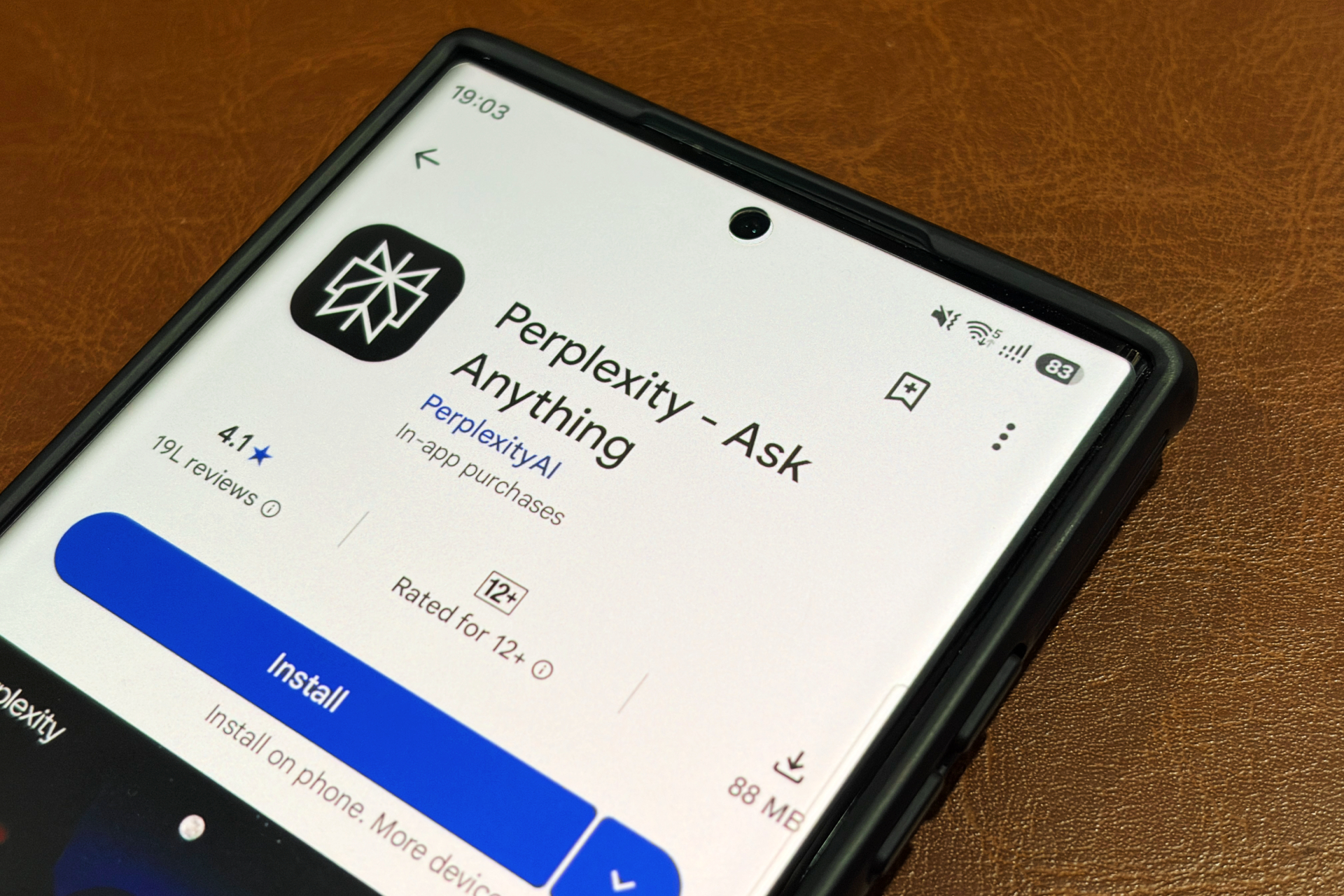
The alternative, as highlighted by companies like Perplexity AI, is that even seemingly successful growth strategies, like offering free access, can lead to unforeseen operational challenges. While Perplexity's India expansion demonstrates the power of free offerings in user acquisition, it also underscores the operational complexity that comes with scaling AI services. The need to manage a rapidly growing user base on potentially resource-intensive free tiers necessitates robust internal monitoring and optimization, a task that becomes significantly harder if the behavior of the core AI models themselves is not well-understood and tracked.
For developers and product managers, this means that the decision to use a free LLM endpoint is not a one-time integration choice but an ongoing commitment to vigilance. It requires building in safeguards that acknowledge the inherent volatility of these services. The nightly drift check is a practical, low-overhead solution that addresses this need directly, ensuring that the AI component of your application remains a reliable asset rather than an unpredictable liability.